Showing posts with label Public Service. Show all posts

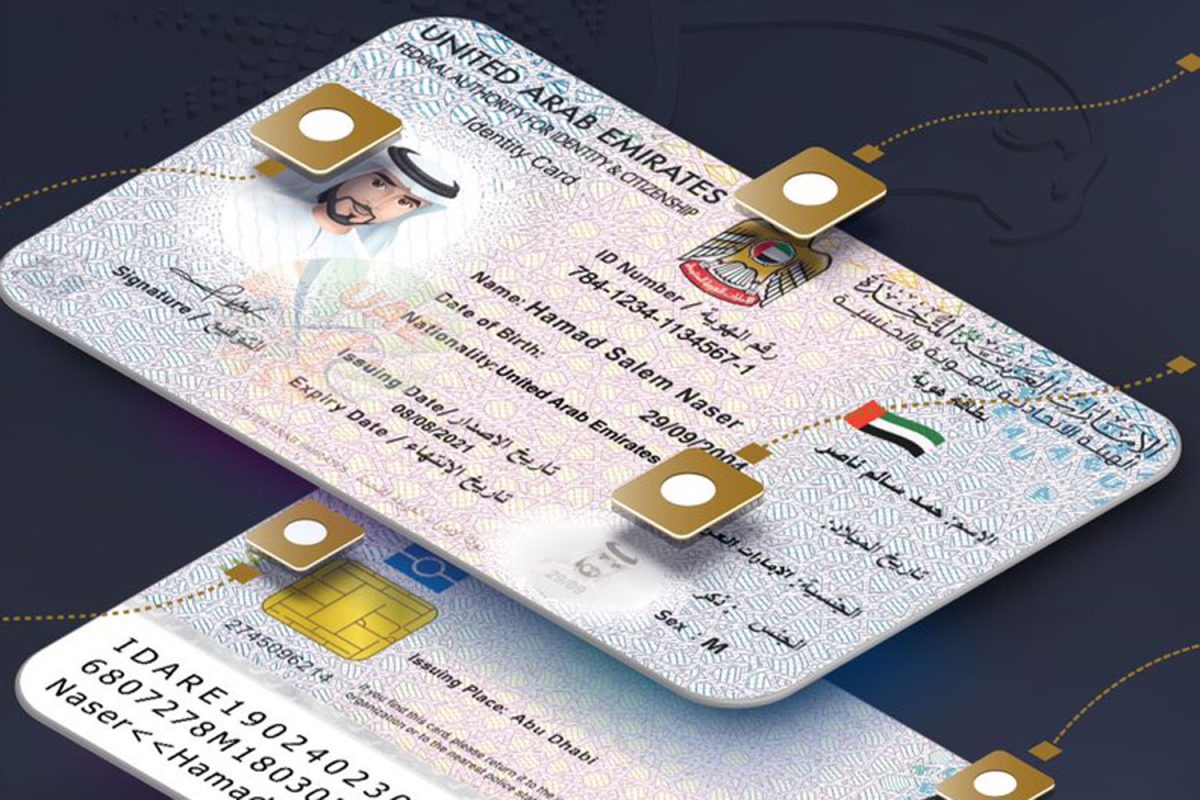
How To Use Your Emirates ID


Convenient things you can use your Emirates ID for

Pay for petrol, withdraw cash and more 

If you live in the UAE then you must have an Emirates ID (it’s a legal requirement), which means knowing what you can do with one when moving to Dubai is useful information.

Emirates IDs are issued by the Federal Authority for Identity and Citizenship to all UAE citizens and residents. 

The identity card holds important information in its electronic chip such as the holder’s basic information, photo and biometric data and fingerprints. 

You may have thought that your EID was just a requirement, but did you know that you can use the piece of plastic for a handful of other useful things? Well, you can and here are all the ways how. 

How to use your Emirates ID to withdraw money from an ATM

Several banks in the UAE allow customers to withdraw money by using their Emirates ID. 

You must bank with the bank and different banks have different rules. 

If you are an Emirates NBD customer. You can withdraw cash with your EID if you have the Emirates NBD mobile app on your phone. You’ll use the app to generate a code that you’ll then use at the ATM to withdraw the amount you need.

Mashreq Bank allows customers to open accounts, pay their bills, update their personal information and withdraw and deposit cash by just showing their Emirates ID.

When using a Mashreq ATM, the customer’s existing bank cards will appear on the ATM screen, allowing them to choose from a number of options including cash withdrawal, local and international transfers and chequebook and statement requests.

Emirates IDs can also be used for cash withdrawals and transfers through Al Hilal Bank’s ATMs.

How to use your Emirates ID to pay for fuel at petrol stations 

If you want to use your Emirates ID to pay for fuel you need to download an ADNOC Wallet. Once you have the app, your Emirates ID is linked to it and you can add money to your account.

When filling up your petrol tank at ADNOC petrol stations you can insert your EID into the card payment slot and follow the on-screen instructions to pay for your fuel.

You can also use your EID to pay for stuff at ADNOC Oasis convenience stores and car washes if you have an ADNOC Wallet.

How to use your Emirates ID as your health insurance card 

Don’t worry if you forget your health insurance card during your next visit to the doctor’s clinic as you can show your Emirates ID. Medical service providers can use EIDs to process medical insurance. 

How to use your Emirates ID at DXB airport’s e-gates

Smart gates are an automated self-service border control system. They use facial recognition technology to identify travellers and can be found at Terminal 3 of DXB airport. 

Smart gates match faces to data connected to immigration databases which will know if the traveller is a UAE National, GCC National, UAE resident or a visa-on-arrival guest.

If you want to use your Emirates ID to head through the smart gate then all you need to do is swipe your Emirates ID card and look into the green light at the gate. You must remove glasses, hats and face masks before passing through.

How to use your Emirates ID to get discounts 

Probably the most fun aspect of holding an Emirates ID is that it can unlock discounts across the UAE. 

Several hotels and attractions offer cut-price deals to residents and all you have to do is flash your EID. 

Want to know how to save by being a UAE resident? Check out Dubai resident deals.


Mix Bananas, Honey and Water: Cough and Bronchitis Will Disappear

Mix Bananas, Honey and Water: Cough and Bronchitis Will Disappear


This new natural remedy contains some of the oldest and most powerful ingredients that soothe the throat and lungs and cure coughing and bronchitis in no time!

Thanks to the mighty properties of honey and bananas, which are included in the recipe, you can use this remedy for both children and adults and enjoy its flavor as well!

Anything from sore throat, bad cough and even stomach problems can be treated with this drink.

Here is how to prepare it:

Ingredients:400 ml boiling water
2 medium ripe bananas with dots
2 tablespoons of honey

Preparation:

First, peel the bananas and puree them with a wooden fork or spoon. Do not use metal cutlery, since the bananas tend to darken when in contact with metal.

Next, place bananas in pot and add boiled water to them. Let mixture steep for 30 minutes.

Finally, when the remedy is cooled off, add honey. You can strain mix if you prefer it transparent. It is important to add the honey last, so it doesn’t lose its important properties over to the boiling water.

Consumption:Drink 100ml of this remedy 4 times a day (total of 400ml per day).
This amount is sufficient for one day and you can prepare a fresh one the following morning.
First results come in 5 days.

Appreciate nature more and always turn to it for more beneficial remedies!

Share...

Keto Diet Side Effects No One Wants to Discuss

If you want to burn fat more effectively while still enjoying the taste of great food, then the Keto diet is a fantastic option for you. This diet will not only help you to burn fat efficiently, but it also has many health benefits. Many healthcare professionals across the globe even recommend it.


How is the Keto diet different from other diet routines? It is because it can help you lose extra fat without making you feel hungry.

Before we move on to understand more about the Keto diet, let us quickly go through the working process of this diet.


What is a Ketogenic Diet, and How Does it Work?

In a nutshell, the Ketogenic diet is a very low carb and high-fat diet. The drastic reduction in carbs puts your body into a state calledketosis. When your body enters into this state, it becomes very good at burning fat for energy. It also turns your fat into ketones in the liver, which can provide power for the brain.

What Are the Side-effects of the Keto diet?

You may have heard about the many benefits of the Keto diet, but did you know it comes with many of side-effects? The Keto diet can cause a significant change in your body by shifting it from a normal diet to a very low-carb diet all of a sudden. Thus, a sudden shift can send your body into a state of “shock.”

The most common outcome of this shock is experienced by many people in the form of flu known as Keto flu. The Keto flu can last from a week to a month. It can cause you weakness, fatigue, insomnia, and various other issues, including possible skin rashes and loss of muscle.

You might also have severe mood swings and an inability to focus. You need to keep track of your body’s changes while on the Keto diet and talk to your doctor to discuss how to avoid or minimize these side-effects.

The various side-effects of the Keto diet must be taken seriously, especially by three types of people.
If you an on a diabetic medication like insulin.
If you are on a medication specifically for high blood pressure.
If you are a breastfeeding mother.

This diet is especially critical for all the groups mentioned above of people.

Other than that, there are several other risks which are associated with this diet. That is why it is recommended to consult a nutritionist or your doctor before you start the Keto diet.

1.) It Can Disturb Your Digestive System

The first impact of any diet is on your digestive system. It can make your digestive system very fast, or it can make it extremely slow.

In the case of a Keto diet, your digestive system becomes very slow because you are missing out on some vital fiber producing foods like fruits and vegetables. Under such conditions, the most common side-effect is constipation.

Since whole grains and beans are also restricted on your Keto-diet, there are higher chances that you will fall victim to constipation and troubled bowel movements.

To avoid this condition, consume Keto allowed fiber-filled foods like almonds, avocados, flax seeds, and chia seeds. These foods are not only a good source of fiber, but they help you lose weight while keeping you fresh and energetic. However, do not forget to take these foods in the right amounts to avoid weight gain.

2.) Your Body May Lose Salts

The first effect of many diets is the loss of certain fluids. The Keto diet is no exception.This diet, like many other diets, can disturb your body fluid balance. This side-effect usually lasts for the first couple of weeks.

The reason behind this problem is that your body uses stored glucose. Due to this, water is released in your blood, which is passed out through urine. Along with the passing of fluid, salt is also washed-out of your body. As a result, your body becomes deprived of salts.

To avoid this condition, make sure you drink lots of water to keep yourself well hydrated. If needed, you can always add a little salt in your water and also increase its quantity in your daily diet.

3.) It Can Cause Deficiencies of a Few Vitamins in Your Body

Since you stop eating various kinds of fresh vegetables, fruits, and dry fruits, you miss out on several essential vitamins needed in your body. There are severe vitamin and mineral deficiencies associated with the keto diet.Because of the same reason, it is not advisable to stay on the keto diet for an extended period. It is not considered a proper long-term diet as it is not balanced and can cause severe complications in the long run.

Due to the deficiency of many vitamins, minerals, and electrolytes, you can feel tiredness and fatigue. Under severe conditions, insomnia is also reported.

Tune Your Keto Multivitamins are a great supplement to help supplement the crucial vitamins and minerals missing from your diet while you are on the Keto Diet.

4.) Severe Cramps

It has been reported that a keto diet comes with some severe leg cramps, and they can be a source of trouble for you. The reason behind these leg and body cramps is hyponatremia. This condition occurs when your body loses so much salt that the sodium level drops to a dangerous situation.

Thus, this condition can cause your body to experience severe fatigue and cramps. The best solution to avoid this condition is to include enough salts in your daily diet.Another helpful answer is Keto Vitals Electrolyte Capsules, as they have electrolytes components to help stop muscle cramps.

5.) It Can Damage Your Kidney

Kidney damage is the fatal damage your body can go through while you are on a keto diet. The reason is again the same old, less intake of water.

Eating lots of meat and not having enough water is a habit of many people while they are on a keto diet. Not only does it increases the risks of kidney stones, but also it can make your urine much more acidic, and as a result, you can fall a victim of the famous “uric acid.”

The only way to prevent this condition is always to keep on hydrating yourself throughout the day.

6.) The Most Common “Keto Flu”

Let’s talk about the most common issue associated with the Keto-diet. You must have heard about the word “flu,” but did you know about “Keto flu” before you started your Keto diet? Well, the initial weeks of a keto diet can be daunting and hectic for you. Moreover, it is also difficult for your body to adapt to certain conditions and changes quickly. That is why your body tries to be defensive against these changes and eventually adopts a condition known as “Keto-Flu.”

Since the primary source on which our bodies rely is glucose, and in the keto diet, the body changes its energy-producing source from glucose to ketones. Thus, it is a massive change for the body to accept, and the result is keto flu.

You can experience any one of all of the symptoms given below while you experience keto flu.
Extreme hunger pangs
Loss of sleep
Fast heartbeat
Tiredness
Dizziness
Slow brain functioning

These are only the initial side-effects, and your body will more likely adopt these conditions after a month of the keto diet, and things will go normal for you then.

7.) Breath of Death

One of the most hated yet most common side effects of a Keto diet is that it makes your mouth stink. This phenomenon is commonly known as keto-breath, and it mostly occurs after a couple of weeks when your body starts burning fats.

The reason behind the bad keto breath is the release of ketones, which are also through your urine as well as sweat. Other than the bad breath, people on the keto diet also report a terrible metallic and unpleasant taste in their mouth, which further makes them uncomfortable.

However, this effect isn’t long-lasting, and it eventually disappears as you enter the fourth or fifth week of your keto diet routine.

The best solution to this problem is to keep using mouthwash three times a day and keep a sugar-free or mint gum with you in case of extreme situations. Also, don’t forget to brush your teeth three times daily to get rid of the bad smell as well as the hostile taste in your mouth.

8.) Loss of Muscle

Another side-effect related to the keto diet is the loss of muscle. That is why many athletes are advised to keep doing their resistance training while they are on a keto diet. The reason behind the loss of muscle is that your body is missing lots of muscle-building substances like carbohydrates. Since the main building blocks of muscle are protein and carbohydrate, that is why a low carb diet to severe muscle loss.

This is one of those side-effects of the Keto diet, which cannot be avoided because you cannot increase the intake of carbohydrates in your diet in any case. This is a source of distress for many people who are looking to build muscle and lose fat simultaneously.
9.) Impact on Athletic Performance

Keto diet is the popular and most preferred diet of many athletes, but there is a higher risk associated with this diet in the case of athletes. They can severely disrupt their fitness and forte. According to a study,many athletes, especially those who are involved in cycling and running, can profoundly affect their performance and their strength if they keep following the keto diet.

Thus, it is highly discouraged for athletes to adopt a keto diet.

10.) Impact on the Blood Vessels

Keto diet can also affect your blood vessels if you enjoy a cheat day within the diet. It can also have many long-term adverse effects on your internal strength. The reason behind the damage of blood vessels is that whenever you try a cheat diet within your keto meals, your sugar level can suddenly rise, which can lead to the damage of your blood vessels.That is why it is imperative for you to properly understand every rule of a Keto diet before starting it. You should also take the advice of a doctor about whether to start the diet on not.

11.) Aggravates Gallbladder Issues

There is terrible news for the people suffering from gallbladder issues. If you previously had a gallbladder problem, then the Keto diet can be harmful to you. A high-fat diet can exacerbate gallbladder diseases, and it may even increase the chances of developing this disease.

If you ever had gallbladder surgery in the past and it had been removed for some reason, then you will face the issue of digestion. Moreover, the diet can also harm your overall health, causing weight gain, bloating, and may even trigger digestive discomforts.

That is why the Keto diet is not suitable for you in the long run if you notice any of the above issues after cutting down your intake of carbs and increasing the fat intake.

12.) Long-term Side Effects of the Keto Diet

Did you know that remaining on your Keto diet can cause you to fall into unhealthy eating habits like overeating of meats and even saturated fats?

Well, that is true because most people who are on a Keto diet start consuming all kinds of fats, even the ones which are bad for you.This habit can trigger the build-up of plaque in the arteries. Moreover, it can also affect the functioning of your brain and heart. Thus, as a result, staying on a Keto diet for a more extended period can increase the risk of high cholesterol and heart problems.

The best solution to this issue is to focus on the intake of unsaturated fats like nuts, oil, and fish. You can also take the fish oil capsules, especially salmon oil, to avoid the deficiency of any vital vitamin in your body.

13.) “Keto Crotch”

Although it is an uncommon side-effect, you can surely fall victim to it. Keto crotch is a condition which arises as a result of sudden changes in the pH levels of your body due to a drastic change in your diet plan.

Since it is our diet that is responsible for maintaining the pH of our bodies, it is while under a keto diet, your body may develop a change in the pH, which can further alter the vaginal pH. Due to this vaginal change, you can experience a severe vaginal odor or yeast infections, which might affect your relationship or may become a source of embarrassment.

14.) Effect of Keto on Mental Health

It is going be hard for you to maintain your mental health while you are on a keto diet.The reason behind this is again the DIET.You need to avoid drinking, smoking, eating desserts altogether, and many other delicious bounties if you are following a keto diet.

Not only this, but also the low-carb diet can lead you feeling emotionally exhausted and cause severe mood swings. This principle generally applies to all kinds of diets, but Keto is much tougher than other diet plans.Moreover, a Keto diet not only requires your powerful willpower, but you will also need to develop more tolerance against mood swings, hunger pangs, and resisting some special dinners and delicious meals.

So, it is not going to be pleasant, but it is going to be worth it if you follow it correctly.

Final Thoughts:

The Keto diet is one of the most successful ways to reduce your weight quickly; however, it is not a good idea to follow it for a more extended period because this diet is not balanced. You need to leave out many fibrous foods like fruits, vegetables, and beans. Moreover, you must be medically supervised if you want to reduce your weight by keeping inside the safest ways possible.

Another piece of advice for you is to keep yourself hydrated as much you can. The perfect amount of water you can consume while on a keto diet is around 3-liters of water. Proper water intake will not only keep you away from many side-effects, but it will also keep you lively, fresh, and energetic.Moreover, it is also a good idea to take specific vitamins by the prescription of your doctors like magnesium and potassium supplements.

Your doctor can give you the best advice because not everyone is perfect for the keto diet. The people suffering from chronic illness and high blood pressure are not good candidates for the keto diet and must take the advice of a doctor.

Due to the deficiency of many nutrients, you can also fall into the risk of developing osteoporosis, cancer, Alzheimer’s disease, and bad cholesterol.

Thus, we highly recommend you to take your health seriously and never forget to take the consultation of a doctor before experimenting with anything with your body. Remember!Your health and your life should be your priority.


Results may vary. Information and statements made are for general purposes and are not intended to replace the advice of your doctor. Her Own Health does not dispense medical advice, prescribe, or diagnose illness. The views and nutritional advice expressed by Her Own Health are not intended to be a substitute for conventional medical service. If you have a severe medical condition or health concern, see your physician.

Sharing is caring!

COVID-19 Patients In Tents, Isolation And Swab Tests - Duterte Tells Philhealth To Cover

Nagbigay ng direktiba po ang ating Presidente sa Philippine Health Insurance Corp. na kasama sa health insurance coverage ang RT PCR tests, isolation sa accredited community isolation units at hospitalization para sa mild at critical cases ng COVID-19.  Presidential Spokesperson Harry Roque said in a briefing.


Malacañang said on Tuesday that President Rodrigo Duterte has ordered the Philippine Health Insurance Corporation or Philhealth to shoulder COVID-19 patients in tents, isolation, and even their swab tests.

“Kaugnay nito, kung ang tents ay kasama sa in-patient care, kailangan covered ito sa kasalukuyang in-patient COVID-19 package,” he added.

In a hearing at the House of Representatives, a lawmaker exposed that some patients pay hospitals for Php1,000 per hour even though they were only admitted in tents.

PhilHealth said in a statement that it has noted the current situation where patients are temporarily placed in tents because hospitals can no longer admit them in regular hospital beds.

Some medical facilities are allegedly charging a P1,000 per hour rate for patients in tents. Philhealth said that they will investigate these claims.

“Be it COVID-19 or not, patients should be afforded with all the financial help as guaranteed by the Universal Health Care Law,” the statement read.

The statement was made after some COVID-19 patients and their relatives complained that they have to pay their hospital bills since being admitted in tents is not covered by Philhealth.

PhilHealth said it “has been reviewing existing policies to better respond to the extraordinary demands brought about by this pandemic.”

“Enhanced guidelines will be issued the soonest to ensure that adequate financial protection is duly provided to the patients without compromising the quality of care,” the agency added. 

Dubai Announces 10-Week Interval For Resident Taking Oxford-AstraZeneca Vaccine

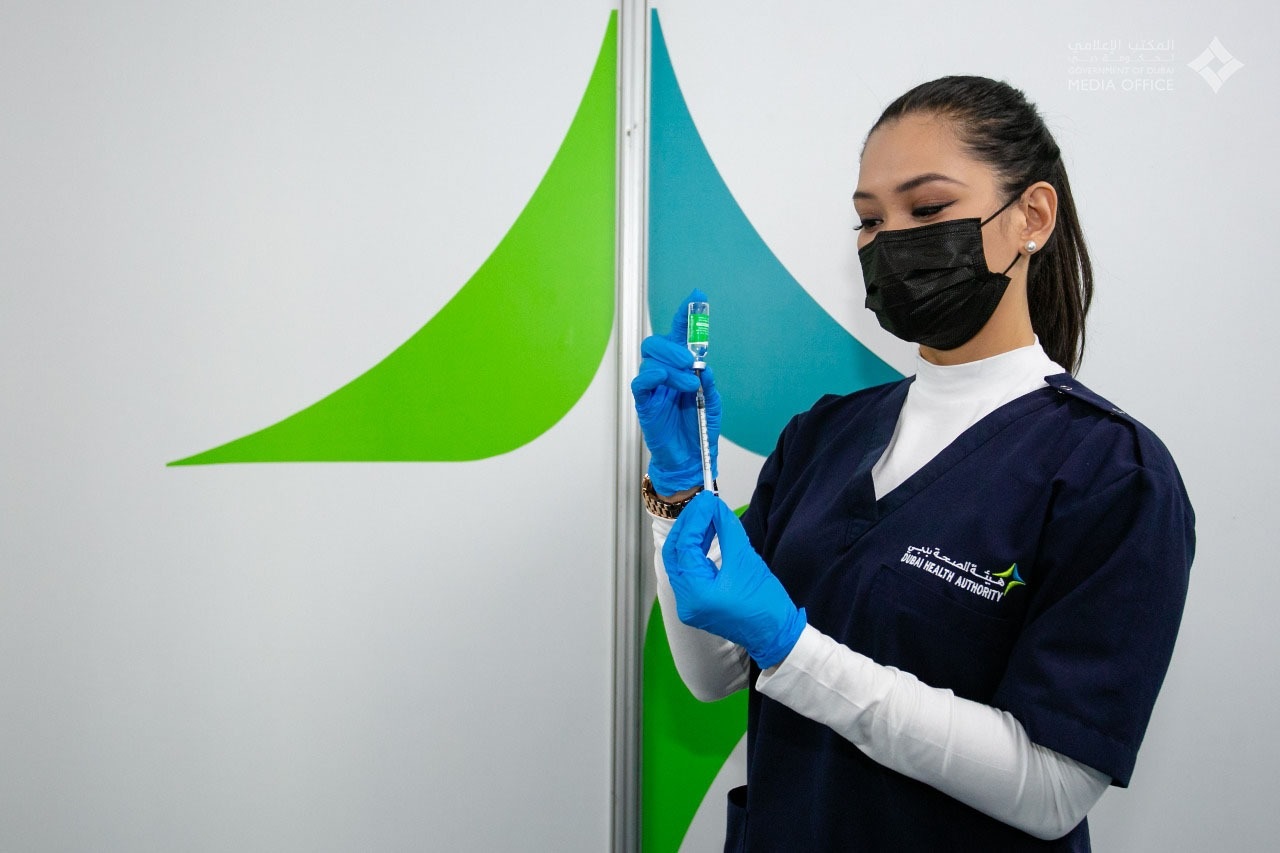
The Dubai Health Authority (DHA) announced Tuesday that there is now a 10-week interval for those taking the Oxford-AstraZeneca vaccine in Dubai.

“Based on recent studies from the University of Oxford on the Oxford-AstraZeneca vaccine and as per the recommendations of the WHO, DHA has approved a 10-week interval between the 1st & 2nd dose of the Oxford-AstraZeneca vaccine,” the statement reads.

DHA also explained that recent studies showed higher efficacy and higher acquired immunity when the dosing interval between the first and second doses is increased.

The health authority said they will send a text message to those who are set to receive the second dose to inform them of the date and location for their vaccination appointment.

It was only last February 2 when the UAE started offering the vaccine, as part of its national vaccination program.


How to Make Money on YouTube Without a Million Subscribers

YouTube stars are today’s self-made celebrities—people who have earned an audience by creating content geared toward teaching, entertaining, reviewing, and being awesome on the internet.

Most of these small-screen celebs do what they do just to do it, to scratch an itch for creating things and being in front of an audience.

Who makes the most money on YouTube?

According to Forbes, these 10 channels were the top earners on YouTube from June 2017 to June 2018:
Ryan's World, $22 million (22.4 million subscribers)
Jake Paul, $21.5 million (19.7 million subscribers)
Dude Perfect, $20 million (47.1 million subscribers)
DanTDM, $18.5 million (22.3 million subscribers)
Jeffree Star, $18 million (16.5 million subscribers)
Markiplier, $17.5 million (24.5 million subscribers)
VanossGaming, $17 million (24.9 million subscribers)
Jacksepticeye, $16 million (23 million subscribers
PewDiePie, $15.5 million (102 million subscribers)
Logan Paul, $14.5 million (19.9 million subscribers)

This list might leave you with a lot of questions about how these YouTube stars earned their fortunes. Let’s explore some of those questions.
Do you get paid for uploading videos on YouTube?

Content creators aren’t paid by YouTube for the videos they upload. Neither are videos monetized by default. For you to start making money on YouTube, you have to enable monetization in your YouTube account settings. From there, you have options to join the YouTube Partners Program or have your videos listed on YouTube Premium.
How do you make money from YouTube?

There are a few takeaways from Forbes’ list, putting aside the millions of dollars made and subscribers gained.

First, YouTube channels can be monetized even if they don’t have millions of subscribers. Your earning potential isn’t determined solely by the number of subscribers and views you have, but also by the level of engagement you generate, the niche you cater to, and the revenue channels you explore. That’s not to say subscriber count doesn’t matter 
Free Reading List: Video Marketing Tips and Tricks

Video marketing is a powerful tool you can’t afford to ignore. Get a crash course with our free, curated list of high-impact articles.Get the free reading list
Who’s going to watch your YouTube channel?

Building your own audience puts you in a great position to monetize content in a variety of ways. But you’ll only be able to take full advantage of the opportunities you have if you understand the makeup of your audience.

For many YouTubers looking to monetize, the more niche your channel, the better position you’ll be in to work with brands looking to target specific audiences (more on that later).


You'll want to pay close attention to:
The gender of your audience, to see if its skews toward one particular group.
The age range most of your audience falls into.
The geographic location—countries or cities—where your videos are being watched.
Your audience’s overall engagement, or “watch time.”

With this demographic information at hand, you’ll have a better understanding of your own audience and be able to work better with brands. All demographic insight can be pulled from your YouTube analytics, but to compare your own channel against others try a tool like Social Blade.

With that out of the way, we can start talking about the different ways your YouTube channel can make money.
How to make money on YouTube

Like learning how to make money on Instagram or via blogging, your audience might unlock your YouTube channel’s earning potential. But when you create multiple revenue streams, through side side hustles or businesses, it's easier to monetize.

Luckily, there are several ways to accomplish this—let's take a deeper look at each of these streams.
Become a YouTube Partner and earn money from ads.
Sell products or merchandise.
Crowdfund your next creative project.
Let your audience support your work through “fan funding.”
License your content to the media.
Work with brands as an influencer or affiliate.

On this episode of Shopify Masters, co-founders Patrick and Lewis from Patrick Adair Designs share the exact strategy they used to create and promote a YouTube video that earned a million views. Press play to hear their story and subscribe for weekly episodes.


1. Join the YouTube Partner Program and earn money from ads

The first revenue stream you’ll likely explore is ads. Whether you want to earn money on YouTube without creating videos or as a content creator, joining the YouTube Partners Program and setting up monetization is a vital step. You can apply for monetization once you’ve hit 1,000 subscribers and 4,000 watch hours over the past year.
How to enable monetization on YouTube
Sign in to the YouTube account you want to monetize.
Click the icon for your account in the top right corner.
Click YouTube Studio.
In the left menu, select Other Features > Monetization.
Read and agree to the YouTuber Partner Program terms.
Create a new AdSense account or connect an existing one to your channel. (You need an AdSense account to get paid.)
Set your monetization preferences.

Once that’s done, head back to the dashboard and click the Analytics tab on the left side. From there, you’ll need to choose Revenue from the tabs at the top, then scroll down to the chart Monthly Estimated Revenue to get an idea of your predicted revenue.
How many views do you need to make money?

The number of views you get doesn’t correlate to revenue earned. If your video gets thousands of views but no one watches or clicks the ad, you won’t make any money. This is because of YouTube’s criteria for billing advertisers: a viewer must click an ad or watch the ad in full (10, 15, or 30 seconds) for you to get paid.

However, with the release of YouTube Premium, you no longer need to rely on advertisers to create engaging or enticing ads to earn revenue.

Check out YouTube Premium

YouTube Premium is a paid membership program that allows fans to watch and support their favorite content creators without ads. For creators, not much changes, as they will get paid for content consumed by non-members on YouTube along with content on YouTube Premium.

Creators are paid for YouTube Premium based on how much members watch their content. Consider revenue earned from YouTube Premium as a secondary revenue stream in addition to what you’re already earning through ads.

While it’s easy to set up, earning money through advertising as a YouTube Partner is far from the most lucrative revenue stream you can create for yourself.
Why you should look beyond ads for revenue

YouTube recently received a lot of backlashdue to its decision to be more transparent about advertising on the platform and what qualifies as “advertiser friendly” content. Essentially, many creators feared that, due to the nature of their content, they would lose out on the ad revenue that helps support their channel.

According to YouTube, your content could get excluded from ad revenue if it includes:
Sexually suggestive content, including partial nudity and sexual humor
Violence, including displays of serious injury and events related to violent extremism
Inappropriate language, including harassment, profanity, and vulgar language
Promotion of drugs and regulated substances, including selling, use, and abuse of such items
Controversial or sensitive subjects and events, including subjects related to war, political conflicts, natural disasters, and tragedies, even if graphic imagery is not shown

But the reality is that YouTube has been demonetizing content that it doesn’t deem advertiser-friendly since 2012 via an automated process, without warning and without the content creator’s knowledge.

Now, the situation is actually better, as creators are notified when their content is flagged and can contest any time they feel a video was mistakenly excluded from YouTube’s advertising network.

Advertising might be a common means of generating passive income for creators, but the trade-off is that YouTube gets to keep around a 45% share of ad revenue.

In short, YouTubers should explore other revenue streams to sustain their creative hobby.

Below, we’ll share how to earn money from YouTube without AdSense.

2. Sell products or merchandise

There are plenty of products to sell that can help you make money through your YouTube channel. Selling merchandise—t-shirts, coffee mugs, tote bags, snapbacks, you name it—has a benefit beyond revenue.

Merchandise increases your exposure by putting your online brand and personality out into the offline world and deepens the relationship between you and your fans as they literally “buy” into what you're doing.


Roman Atwood sells a variety of merchandise in his store under his Smile More brand.

Selling branded swag is easier than it might seem at first.

You can order affordable designs tailored for specific products, like t-shirts, using freelance sites such as Fiverr.

And when it comes to handling orders, you can integrate your store with services such as Oberlo or one of the many print-on-demand providers that take care of shipping, fulfillment, and customer support, letting you reap all of the benefits of a dropshipping business that demands less effort on your part.

Alternatively, you can partner with an existing merchandising network for creators, such as DFTBA (Don’t Forget to Be Awesome). However, you’ll be competing with other YouTubers and have less control over adding products, offering discounts, integrating your content, and all the advantages that come with owning your own ecommerce site.

You can even go a step further by manufacturing and selling your own unique products and powering your business through your YouTube channel, like Luxy Hair did to sell its hair extensions with hair-related how-to video tutorials.

As a YouTuber who’s already earned an audience, you’ll have two advantages from the start that other store owners would be jealous of:
A content engine that consistently drives traffic to your store.
Your audience's trust, which you've earned by regularly serving them your own brand of content for free.

3. Crowdfund your next creative project

When money is all that stands between an idea and its execution, crowdfunding is a good way to make it happen.

Whether you need help buying better equipment, hiring actors, or covering other production costs, you can call upon your own audience and the crowdfunding community to pitch in if your idea is compelling enough.

Many successful crowdfunded creative projects tend to offer a sneak peak or “trailer” that gets people excited, so consider shooting a video explaining your project or offering a taste of what it'll be like, such as this popular Kickstarter for Kung Fury, a short film paying homage to ’80s action movies.


Popular crowdfunding sites with a proven track record of campaigns from YouTubers include:
Kickstarter: One of the most well-known crowdfunding sites, great for funding cool products and creative projects. Be sure to set an attainable funding goal because you’ll only secure it if you actually meet the goal you set.

Indiegogo: A Kickstarter alternative that offers more flexible funding options.
 
4. Let your audience support your work through “fan funding”

Similar to crowdfunding a project, you can also set up “fan funding” streams to source donations from your audience.

As a creator, you’re contributing your voice to the internet without forcing your audience to pay for admission. So, if you’re offering good content, your audience might be inclined to support you on an ongoing basis.

Many fan funding platforms offer creators another place for people to discover their content and a way to engage their most loyal audience and reward them for their support.
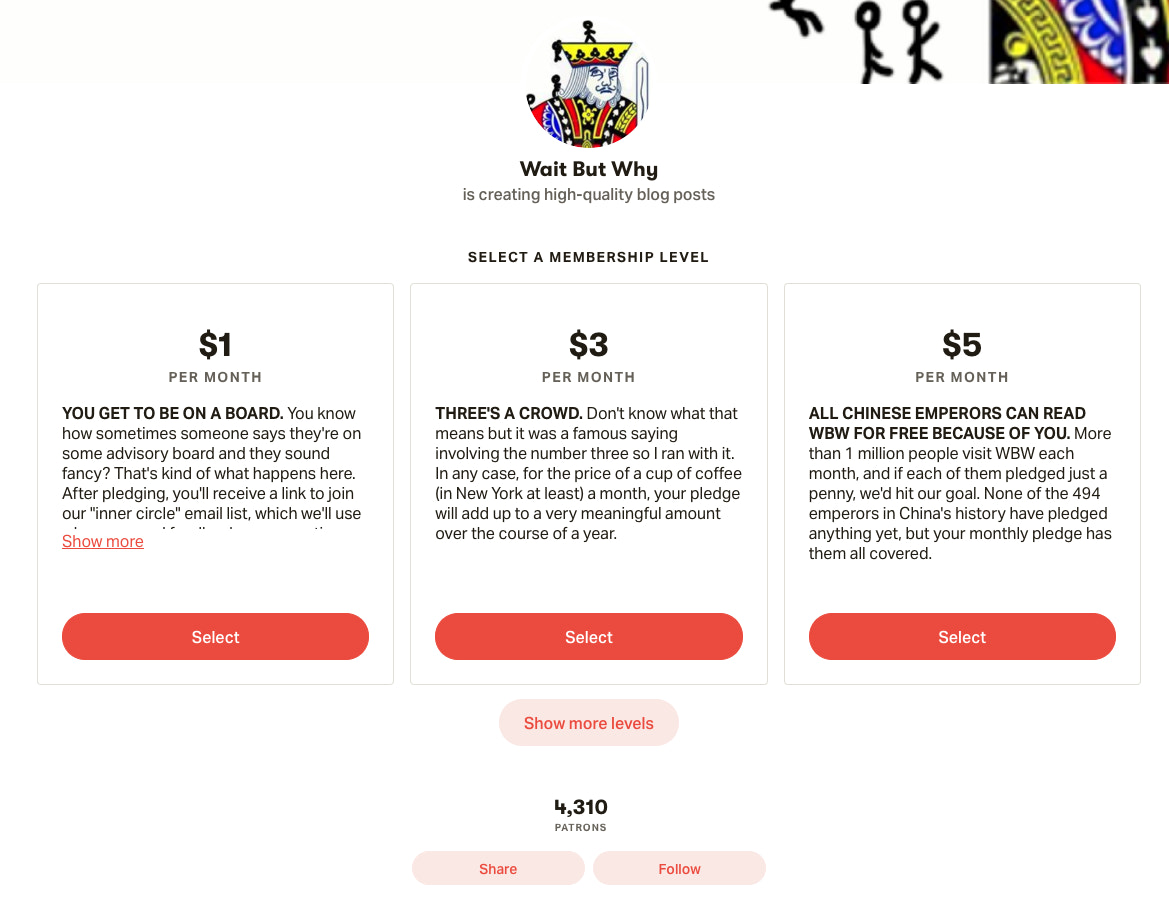


Wait But Why creates more long-form written content than YouTube videos, but is a great example of receiving support from the Patreon community.

If you choose the crowdfunding route, be sure to follow a couple of best practices. First, create transparency around how the money will be spent. This will get your fanbase invested in your story or mission, and they will literally buy into the value of your content. Second, offer enticing rewards for better pledges. The more you can make donors feel like they’re getting something exclusive for being a loyal fan, the more likely you are to get donations and higher pledges.

Some popular fan funding options include:
YouTube’s Super Chat: Super Chat is a feature used when going live on YouTube. It lets you create a tipping jar for your viewers to donate whenever and however much they feel like contributing. You’ll need to set up your YouTube account for advertising as outlined above.
Patreon: The membership platform that makes it easy for creators to get paid. Fans can subscribe to their favorite creators for as little as a dollar a month and receive exclusive rewards.
Tipeee: Lets you get a combination of both one-off and recurring donations

5. License your content to the media

If you happen to create a viral video with mass appeal—say, a funny clip featuring your dog—you can license your content in exchange for money.

TV news outlets, morning shows, online news sites, and other creators might reach out about rights to use your videos if they happen to go viral.

You can also list your videos in a marketplace, such as Juken Media, where your content will be easier for the right people to find and purchase.


When this video of a woman wearing a Chewbacca mask went viral, tons of media outlets wanted in.
 
6. Work with brands as an influencer or affiliate

Influencer marketing is going to be one of the advertising bedrocks of the next decade.Gary Vaynerchuk

Brands are investing more and more in influencer marketing, spending their typically large advertising budgets on influencers who’ve already won the loyalty of their audiences.

This creates a massive opportunity for you as a creator if you can negotiate the right deals.

Brendan Gahan, a YouTube marketing expert and influencer, recommends establishing your baseline flat fee by looking at the number of views your videos typically get and multiplying it by 5 to fifteen cents per view (which is around what many brands are willing to pay for views via YouTube ads).

Depending on your leverage—your audience demographics, content quality, and how unique and profitable your niche is—you might be able to negotiate a better deal if the brand is a good fit.

Becoming an influencer on YouTube is reported as the highest-paid platform for brand partnerships, according to Aqer. But to give you an idea of what you can potentially charge, a mid-level influencer charges a brand around $20 per 1,000 subscribers, or $2,000 per $100,000 followers, according to one study.

The key when partnering on brand-sponsored content is to be transparent about it, not endorsing anything you don’t actually like or believe in, and being upfront with your audience about why you’re doing it.

Here are just a handful of the many influencer marketplaces you can add your channel to and get discovered by brands both big and small:
Grapevine Logic: One of the more popular influencer marketplaces, you only need 1,000 followers to join.
Famebit: With a wide range of brands to work with, you might find a sponsorship opportunity you’ll be proud to be a part of. You need 5,000 followers to join.
Channel Pages: Partner with other YouTubers as well as brands.
Crowdtap: Complete small content creation “tasks” in exchange for money and other rewards. There’s no restriction on how many followers you need to join.

Some influencer marketplaces offer you free products, while others are known for having big brands who are willing to pay more. Capitalize on the opportunities that best suit your needs, but list yourself in as many places as you can to ensure maximum visibility for your channel.

Alternatively, you can also become an affiliate marketer for brands and make residual passive income through commissions from every sale you generate through your channel. This works especially well if you review products as part of your YouTube channel. Since there's no risk involved on the brand’s end (they only pay when they make sales), there's usually a low bar to getting started.

Popular affiliate programs include Click Bank(1% to 75% commission, depending on what the vendor sets) and Amazon's Affiliate network (earn up to 10% per sale). You can also reach out to brands in your niche that are running their own affiliate programs, which isn’t uncommon in the ecommerce space.
How to “sell” without annoying your audience

Many of the above strategies for monetizing involve promoting products or campaigns (e.g., crowdfunding a video series). But you’ll want to make sure your promotions don’t sabotage the integrity of your content.

“Selling out” is a real concern for a lot of creators. But if you never ask, you’ll never get.

There are a number of “placements” you can choose from for promoting products or campaigns.
Record a call to action in your videos

“If you liked this video, then hit the Like button and subscribe.”

Many YouTubers include a call to action along those lines at the end of their videos to grow their viewership. By suggesting the intended action you want them to take, your audience is more likely to take it.

You can adapt this approach to direct your audience’s attention to a revenue-generating opportunity.
Add well-timed YouTube cards to your videos

Whether it’s part of your deal with a brand or you’re promoting your own products, YouTube Cards offer an eye-catching way to get the attention of engaged viewers.

You can set them to pop up at just the right moment, when they’re most relevant and least distracting to increase their impact.


Add links in your video descriptions

You can funnel viewers to your store, Patreon page, Kickstarter campaign, or other revenue-focused part of your online presence by adding links to your video descriptions.


If you’re a video creator who wants to focus on generating revenue as an affiliate marketer, look at Unbox Therapy. Unbox Therapy specializes in product reviews, and it uses affiliate links in their video descriptions to make money via YouTube audiences. The channel is signed up as an Amazon affiliate. It places these unique links—pointing to the reviewed product on Amazon—in video descriptions. If the viewer purchases the item via clicking that link, the affiliate will earn a small percentage of revenue share paid to them by Amazon.

If you’re creating videos about your own products and you own or manage a Shopify store, you can incentivize new customers to buy your products with buy X get Y promotions or discounts.

Promote your offer on other platforms

Just because your content is hosted on YouTube doesn’t mean you shouldn’t be taking advantage of all the other distribution channels out there.

Spread the word about new campaigns or discounts on Twitter, Facebook, and any other profiles you own.

The more places your message lives, the greater the chance it’ll be seen. So it’s always a good idea to grow your following beyond YouTube with social media marketing.


Free Reading List: Social Media Marketing Tactics

Want to learn more about how social media can help drive sales? Download our free, curated list of high-impact articles.Get the free reading list
Are you ready to monetize your YouTube channel?

What compels most creators to create is rarely money. It’s the thought of making something for the world to enjoy.

But ironically, that puts them in a great position to actually make money in a content-obsessed world.

While the hard part for many businesses is getting and keeping their audience’s attention, YouTubers have already figured that bit out.

All that’s left is to get creative—to channel the entrepreneurial drive to explore ideas—with how you choose to monetize your passion.

Illustration by George Wylesol  
COVID-19 May Lead To ‘Brain Disorder’ – Study

A new study showed that those who got infected with coronavirus disease (COVID-19) may suffer brain disorder or mental illness within months after contracting the virus.


In a report by theguardian.com, new analysis revealed that one in eight people who have had COVID-19 are diagnosed with their first psychiatric or neurological illness within six months of testing positive for the virus.

Though still to be peer-reviewed, the analysis also found that those figures rose to one in three when patients with a previous history of psychiatric or neurological illnesses were included.

Nine patients were also diagnosed with other disorders such as depression or stroke despite not having gone to hospital when they had COVID-19, which was surprising, said Dr. Max Taquet of the department of psychiatry at the University of Oxford.

In conducting the analysis, the researchers used electronic health records to evaluate 236,379 hospitalised and non-hospitalised US patients with a confirmed diagnosis of COVID-19.

The patients are those who survived the disease and were compared with a group diagnosed with influenza, and a cohort diagnosed with respiratory tract infections between 20 January and 13 December 2020.

The report said that the analysis, which accounted for known risk factors such as age, sex, race, underlying physical and mental conditions and socio-economic deprivation, found that the incidence of neurological or psychiatric conditions post-Covid within six months was 33.6%. Nearly 13% received their first such diagnosis.

The data bolstered a previous research by Taquet and others that showed nearly one in five people who have had COVID-19 are diagnosed with a psychiatric disorder within three months of testing positive for the virus.

In the latest analysis, the researchers discovered that most diagnoses were more common after COVID-19, than after influenza or other respiratory infections – including stroke, acute bleeding inside the skull or brain, dementia, and psychotic disorders.

Overall, COVID-19 was associated with increased risk of these diagnoses, but the incidence was greater in patients who required hospital treatment, and markedly so in those who developed brain disease.

Share...

Most Common Symptoms Of UK COVID-19 Variant Revealed


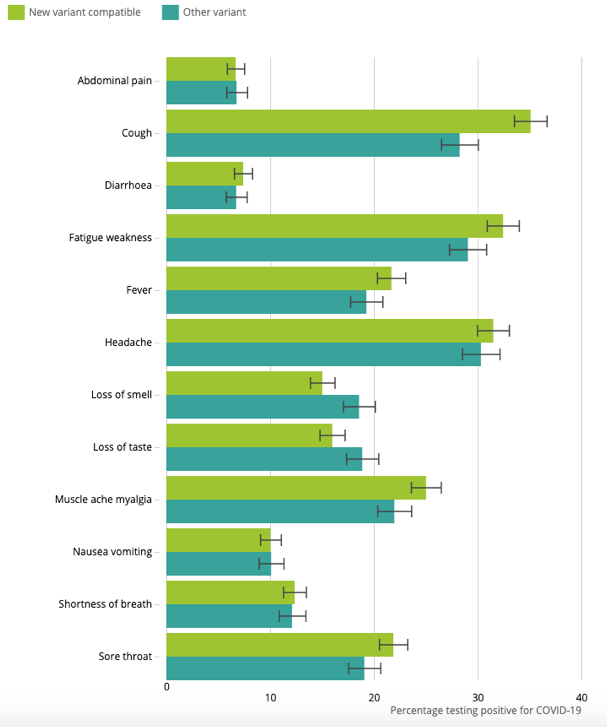
The study was conducted by the Office of the National Statistics (ONS) from a random sample of 6,000 people in the United Kingdom.


Sore throat, fatigue, cough and muscle pain are the more common symptoms of the new UK variant of the new coronavirus (COVID-19), according to a survey in England.

The survey that involved people in private households in England self-reported their symptoms and were not professionally diagnosed.

They were tested over two months from November 15, 2020 to January 16, 2021.


Results of ONS study

ONS said people reported loss of taste and smell that less likely showed with this new form of the virus.

The UK’s National Health Service (NHS) lists down the symptoms which include a high temperature, a new continuous cough and a loss or change to sense of smell or taste.

People who test positive of the new variant still experience one of the three main symptoms. Most, if not all, develop at least one of them.

The new variant, which was first spotted in Kent in September 2020, according to findings spreads more easily than the previous form of the virus. This has now spread across the UK, causing a surge in cases which prompted the current lockdown.

Share

First Batch Of Pfizer Vaccine Arrive in The Philippines

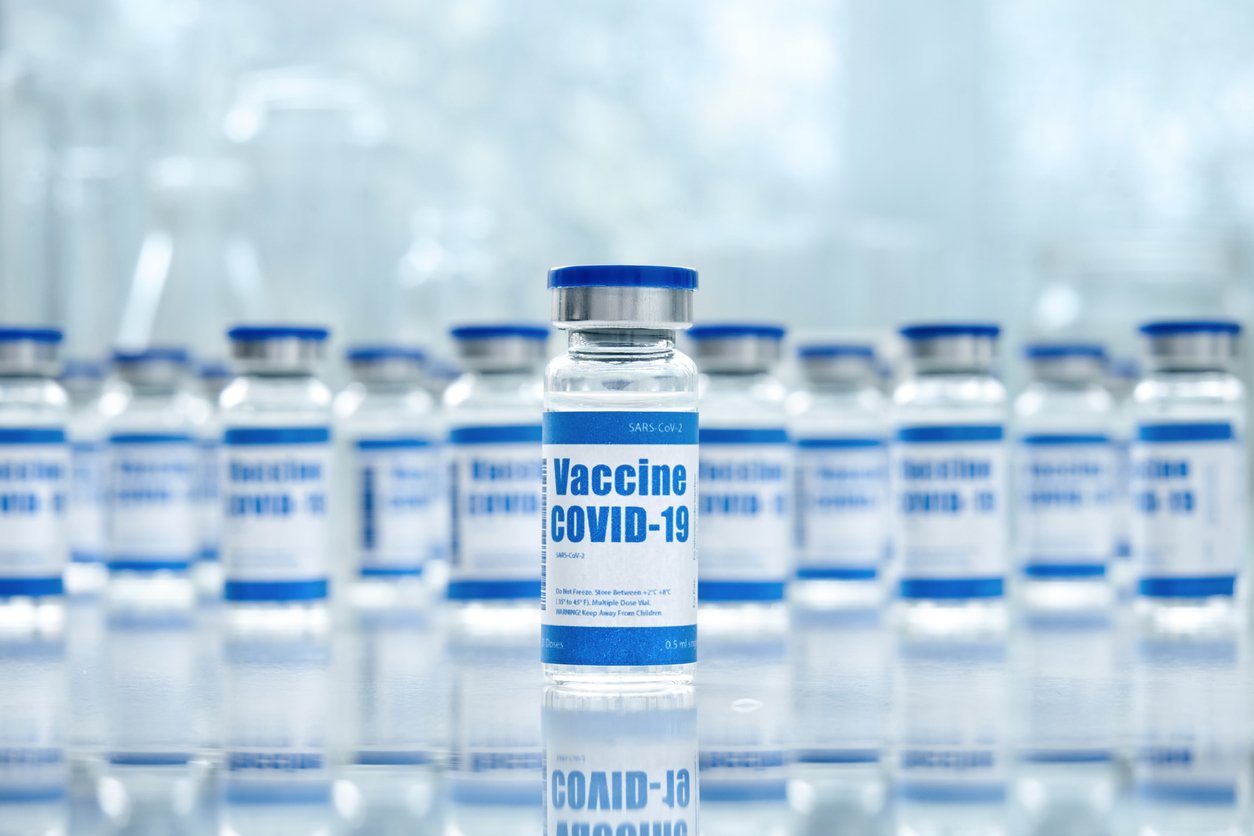
The Department of Health (DOH) is expecting the arrival of the first batch of COVID-19 vaccines, comprising 117,000 doses.


“It’s going to be by the second or third week of February, then last week we had this information that we will have an indicative date of it might be coming by February 13. So if ever this will come on February 13, three days after we will begin the roll out,” DOH spokesperson Maria Rosario Vergeire told CNN Philippines in an interview.

The DOH added that if things go as planned, the vaccination roll out for health workers will happen next week.

“So is an indicative date of maybe February 15 or 16 that we can start the immunization if and when the vaccines arrive on that date they’ve said,” Vergeire said.

The DOH said they are confident that the target arrival and roll out of the COVID-19 vaccine will happen.

“I’m confident is that the commitment by the second or third week of February would push through. It’s coming from the United States,” she said.

The government will also holds a simulation exercise on the arrival of the vaccines on Tuesday.

“We are having that simulation today where we are going to do the step-by-step process from the arrival of the vaccines in the airport. There would be this Customs clearance going to the one stop shop of Customs. We have allotted 30 minutes from the airport going to the Customs and then loading the vaccines in this distributing or transport mechanism that we have,” she said.


Share...

Diabetic Ulcer and Pressure Ulcer

A diabetic ulcer is a sore that develops on the foot of a person with diabetes. A pressure ulcer is a sore that develops on a part of the body where there is a bony projection pressing against a firm surface.


                                                                         Pressure Ulcer


What is Diabetic Ulcer?

Definition:

A diabetic ulcer is a sore that usually forms on the foot of a person who has diabetes, and which can become gangrenous leading to amputation of the limb.

Symptoms:

The main symptom is the presence of a sore that is painful when touched. The sore also often has a discharge that can be foul- smelling. The sore on the foot often ulcerates and becomes infected, which can cause the foot to swell and become red in color. The infection can also cause you to have a fever if it is very bad.

Complications:

A diabetic foot ulcer can become gangrenous and this infection can spread leading to amputation of the foot or even the leg. In extreme cases, a person can die from bacteremia (bacteria in the bloodstream) leading to septic shock and even death.

Diagnosis:

Diagnosis is by physical examination in which the integrity of the skin is checked and the entire foot, including your toes and toenails, are carefully examined for signs of injury or blistering of the skin. Doctors may also test the level of blood flow by measuring blood pressure in the arteries of the leg and foot using a Doppler probe. This can indicate if there are blood vessel problems that could be causing an ulcer to develop, or increase the likelihood of such a problem occurring.

Risk factors:

Having poorly controlled diabetes leading to diabetic neuropathy (damaged nerves) is the main risk factor for diabetic ulcers. High blood sugar levels damage the nerves and so you do not feel when you have a sore on your foot. Another risk factor is not being careful and checking your feet often, especially if you have bought new shoes which could give you a blister or callus which could become an ulcer. Peripheral artery disease in patients with diabetes is another risk factor resulting in compromised blood flow.

Treatment:

The ulcer often needs to be washed and any dead tissue removed in a process called debridement. Antibiotics may need to be given to stop any infection. Antibiotics such as clindamycin or penicillin or cephalexin may be used. Wearing special footwear can also help to prevent ulcers from becoming worse or to prevent further ulceration. Where blood vessels are blocked due to arterial disease, vascular surgery may be needed.

What is Pressure Ulcer?

Definition:

A pressure ulcer is also known as a decubitus ulcer and is a region of tissue that has become damaged and necrotic (dying). It most often happens where skin over bone is pressed against a hard surface for an extended time period.

Symptoms:

The area where the ulcer starts to develop first appears reddish and may feel warm or different from normal in some way. The skin then starts to blister and eventually the skin erodes away down into the subcutaneous layer and in extreme cases, down to the bone.

Complications:

Left untreated a pressure ulcer can result in osteomyelitis in which the bone becomes infected. Cellulitis is also a complication that can lead to bacteria in the bloodstream, which can even result in sepsis and death.

Diagnosis:

The diagnosis is based on a physical exam and the degree of the ulcer is staged according to how far it has developed, with stage 1 being the least severe and stage 4 being the most severe. Photos may be taken to track the progress of the wound.

Risk factors:

Risk factors for pressure ulcers include being older than 65, having a compromised circulatory system and being mainly immobile. Being bedridden for whatever reason is a very big risk factor for developing decubitus ulcers.

Treatment:

Treatment includes reducing pressure on the area by changing the position of the patient when they are bedridden or using some type of support such as pillows or other padding. Bedridden patients do need to be turned often because of the risk of pressure ulcers. The ulcers need to be cleaned with antiseptics and water, and any dead tissue needs to be removed. Wounds need to be bandaged and antibiotic ointments can be applied. In some cases, an antibiotic given internally may be needed. Ointments that contain polymyxin B, metronidazole or mupirocin can be used.

Difference between Diabetic ulcer and Pressure ulcer?

Definition

A diabetic ulcer is a sore that develops on the foot of a person with diabetes. A pressure ulcer is a sore that develops where bony projections are pushed against firm surfaces and occurs in bedridden or immobile patients.

Part of the body affected

A diabetic ulcer affects the feet. A pressure ulcer affects bony areas of the body like the hips.

Symptoms

The symptoms of a diabetic ulcer are a sore on the foot which often has a bad-smelling discharge and may be painful if touched, and the foot may swell. Symptoms of a pressure ulcer are a painful sore, blistered, red and swollen skin and ulceration.

Diagnosis

A diabetic ulcer is diagnosed by physical exam and Doppler flow of blood. A pressure ulcer is diagnosed by physical exam.

Risk factors

The risk factors for a diabetic ulcer include having diabetes with badly controlled blood sugar levels and having arterial disease. The risk factors for pressure ulcers are being elderly (over 65) and being largely immobile or bedridden.

Treatment

Diabetic ulcers are treated with antibiotics and removing dead tissue, and by controlling blood sugar levels and wearing the correct footwear. Pressure sores are treated by providing support and padding, moving the person often, using antibiotics and removing dead tissue.
Table Comparing Diabetic Ulcer and Pressure Ulcer

Summary of Diabetic Ulcer Vs. Pressure Ulcer

Both diabetic and pressure ulcers are sores that if left untreated can lead to bacteremia, sepsis, and death.
Diabetic ulcers occur on the feet of the patient.
Pressure ulcers occur on the parts of the body where there are bony projections.
In both types of ulcers, wounds need to be cleaned, dead tissue removed and often antibiotics given.


By: Dr. Rae Osborn

Associate Professor of Biology PhD in Quantitative Biology at in United States
Dr. Rae Osborn was educated in South Africa and the United States. She holds Honors Bachelor of Science degrees in Zoology and Entomology, and Masters of Science in Entomology from the University of Natal in South Africa. She has received a PhD in Quantitative Biology from the University of Texas at Arlington as well as an AAS Degree in Information Network Specialist and an AAS in Computer Information Systems, at Bossier Parish Community College in Louisiana.Her skills lie in research and writing for a range of educational levels and teaching various Biology classes. She has been trained as a lecturer, researcher and computer scientist. She has experience as a writer, researcher and as a college teacher, and is currently working as a freelance writer and editor.Her accomplishments include receiving tenure and being promoted to Associate Professor of Biology in the United States and publishing papers in peer-reviewed journals.Her hometown is Pietermaritzburg in South Africa where her main interest and hobby is bird watching.


If you like this article or our site. Please spread the word. Share it with your friends/family.


How to Know Your Blood Sugar Numbers: Use Them to Manage Your Diabetes

Checking your blood sugar, also called blood glucose, is an important part of diabetes care. This tip sheet tells you:

  • why it helps you to know your blood sugar numbers
  • how to check your blood sugar levels
  • what are target blood sugar levels
  • what to do if your levels are too low or too high
  • how to pay for these tests

Why do I need to know my blood sugar numbers?


Your blood sugar numbers show how well your diabetes is managed. And managing your diabetes means that you have less chance of having serious health problems, such as kidney disease and vision loss.
As you check your blood sugar, you can see what makes your numbers go up and down. For example, you may see that when you are stressed or eat certain foods, your numbers go up. And, you may see that when you take your medicine and are active, your numbers go down. This information lets you know what is working for you and what needs to change.

How is blood sugar measured?

There are two ways to measure blood sugar.
  • Blood sugar checks that you do yourself. These tell you what your blood sugar level is at the time you test.
  • The A1C (A-one-C) is a test done in a lab or at your provider’s office. This test tells you your average blood sugar level over the past 2 to 3 months.

How do I check my blood sugar?

You use a blood glucose meter to check your blood sugar. This device uses a small drop of blood from your finger to measure your blood sugar level. You can get the meter and supplies in a drug store or by mail.
Read the directions that come with your meter to learn how to check your blood sugar. Your health care team also can show you how to use your meter. Write the date, time, and result of the test in your blood sugar record. Take your blood sugar record and meter to each visit and talk about your results with your health care team.

What are target blood sugar levels for people with diabetes?

A target is something that you aim for or try to reach. Your health care team may also use the term goal. People with diabetes have blood sugar targets that they try to reach at different times of the day. These targets are:
  • Right before your meal: 80 to 130
  • Two hours after the start of the meal: Below 180
Talk with your health care team about what blood sugar numbers are right for you.

How often should I check my blood sugar?

The number of times that you check your blood sugar will depend on the type of diabetes that you have and the type of medicine you take to treat your diabetes. For example, people who take insulin may need to check more often than people who do not take insulin. Talk with your health care team about how often to check your blood sugar.
The common times for checking your blood sugar are when you first wake up (fasting), before a meal, 2 hours after a meal, and at bedtime. Talk with your health care team about what times are best for you to check your blood sugar.

What should I do if my blood sugar gets too high?

High blood sugar is also called hyperglycemia (pronounced hye-per-gly-see-mee-uh). It means that your blood sugar level is higher than your target level or over 180. Having high blood sugar levels over time can lead to long-term, serious health problems.
If you feel very tired, thirsty, have blurry vision, or need to pee more often, your blood sugar may be high.
Check your blood sugar and see if it is above your target level or over 180. If it is too high, one way to lower it is to drink a large glass of water and exercise by taking a brisk walk. Call your health care team if your blood sugar is high more than 3 times in 2 weeks and you don’t know why.

What should I do if my blood sugar gets too low?

Low blood sugar is also called hypoglycemia (pronounced hye-poh-gly-see-mee-uh). It means your blood sugar level drops below 70. Having low blood sugar is dangerous and needs to be treated right away. Anyone with diabetes can have low blood sugar. You have a greater chance of having low blood sugar if you take insulin or certain pills for diabetes.
Carry supplies for treating low blood sugar with you. If you feel shaky, sweaty, or very hungry, check your blood sugar. Even if you feel none of these things, but think you may have low blood sugar, check it.
If your meter shows that your blood sugar is lower than 70, do one of the following things right away:
  • chew 4 glucose tablets
  • drink 4 ounces of fruit juice
  • drink 4 ounces of regular soda, not diet soda or
  • chew 4 pieces of hard candy
After taking one of these treatments, wait for 15 minutes, then check your blood sugar again. Repeat these steps until your blood sugar is 70 or above. After your blood sugar gets back up to 70 or more, eat a snack if your next meal is 1 hour or more away.
If you often have low blood sugar, check your blood sugar before driving and treat it if it is low.

What do I need to know about the A1C test?

The A1C test tells you and your health care team your average blood sugar level over the past 2 to 3 months. It also helps you and your team decide the type and amount of diabetes medicine you need.

What is a good A1C goal for me?

For many people with diabetes, the A1C goal is below 7. This number is different from the blood sugar numbers that you check each day. You and your health care team will decide on an A1C goal that is right for you.

How often do I need an A1C test?

You need to get an A1C test at least 2 times a year. You need it more often if:
  • your number is higher than your goal number
  • your diabetes treatment changes

How do I pay for these tests and supplies?

Medicare, Medicaid and most private insurance plans pay for the A1C test and some of the cost of supplies for checking your blood sugar. Check your plan or ask your health care team for help finding low cost or free supplies. Ask your health care team what to do if you run out of test strips. For more information about Medicare and diabetes, go to https://www.medicare.gov/ External link.

What if I have trouble getting to my blood sugar goals?

There may be times when you have trouble reaching your blood sugar goals. This does not mean that you have failed. It means that you and your health care team should see if changes are needed. Call your health care team if your blood sugar is often too high or too low. Taking action will help you be healthy today and in the future.

John's Story

At each visit, John and his health care team look at his A1C test results, his blood glucose meter and his blood sugar record to see if his treatment is working. At today’s visit, John’s A1C and blood sugar numbers are too high. John and his health care team talk about what he can do to get closer to his A1C and blood sugar goals. John decides he will be more active. He will:
  • increase his walking time to 30 minutes every day after dinner.
  • check his fasting blood sugar in the morning to see if being more active improves his blood sugar.
  • call his doctor in 1 month for a change in medicine if his blood sugar levels are still too high.
  • have his A1C tested again in 3 months to see if his new plan is working.

Things to remember

  • Check your blood sugar as many times a day as your health care team suggests.
  • Have your A1C checked at least 2 times a year.
  • Keep a record of your blood sugar and A1C numbers.
  • Take your blood glucose meter and blood sugar record to your visit and show them to your health care team. Tell your health care team how you think you are doing.
  • Call your health care team if your blood sugar is often too high or too low.
Work with your health care team and decide what changes you need to make to reach your blood sugar goals.
Download a copy of the NDEP’s Managing and Monitoring Diabetes to learn more about managing diabetes

Alternate Versions

This content is provided as a service of the National Institute of Diabetes and Digestive and Kidney Diseases (NIDDK), part of the National Institutes of Health. The NIDDK translates and disseminates research findings to increase knowledge and understanding about health and disease among patients, health professionals, and the public. Content produced by the NIDDK is carefully reviewed by NIDDK scientists and other experts.
The NIDDK would like to thank:
Martha M. Funnell, M.S., R.N., C.D.E., Michigan Diabetes Research and Training Center

Sharing is  caring...

Copyright

NoelGRSr 2016