Showing posts with label Exercise Program. Show all posts

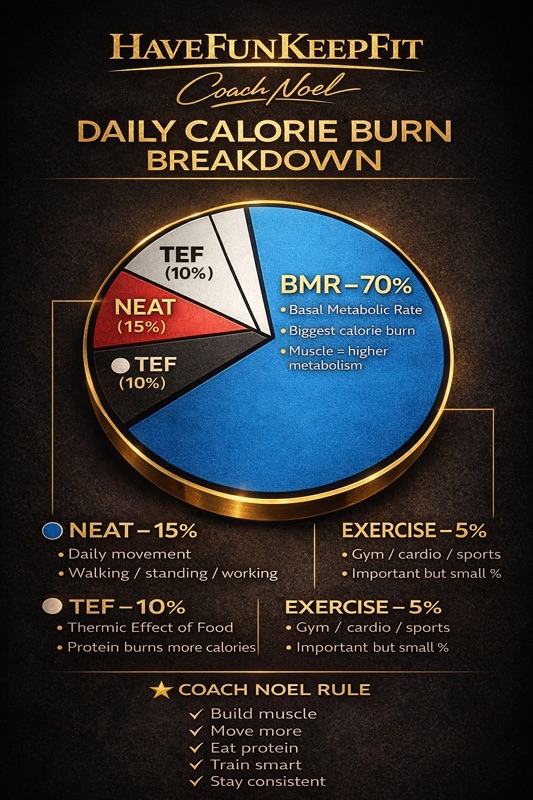
Daily Calorie Burn Breakdown

Understanding Daily Calorie Expenditure: Why Exercise Is Only a Small Part of Fat Loss

By Coach Noel – HaveFunKeepFit 


When people start a fitness journey, the most common belief is that exercise is the main factor in losing weight. While training is important for health, strength, and performance, it actually represents only a small percentage of the calories your body burns each day. To understand fat loss correctly, we must first understand how Total Daily Energy Expenditure (TDEE) works.


Total Daily Energy Expenditure is the total number of calories your body uses in one day. It is divided into four main components: Basal Metabolic Rate (BMR), Non-Exercise Activity Thermogenesis (NEAT), Thermic Effect of Food (TEF), and Exercise Activity.


The largest part of daily calorie burn comes from Basal Metabolic Rate, which accounts for approximately 60–70% of total energy expenditure. BMR refers to the calories your body needs to maintain basic life functions such as breathing, blood circulation, brain activity, hormone regulation, and organ function. This means that even at complete rest, your body is constantly burning energy to stay alive. One of the most important factors affecting BMR is muscle mass. Individuals with more lean muscle tissue burn more calories at rest, which is why resistance training plays a critical role in long-term fat loss.


The second component is Non-Exercise Activity Thermogenesis, commonly known as NEAT. This represents around 10–20% of daily calorie expenditure and includes all physical activity outside of structured exercise. Walking, standing, cleaning, working, coaching, and general movement throughout the day all contribute to NEAT. Research shows that people with higher daily movement levels burn significantly more calories even without additional workouts. Increasing NEAT is one of the most effective and sustainable ways to improve fat loss without excessive training.


The third component is the Thermic Effect of Food (TEF), which accounts for approximately 10% of daily calorie burn. TEF refers to the energy required to digest, absorb, and process the food you eat. Different macronutrients require different amounts of energy to digest. Protein has the highest thermic effect, meaning the body burns more calories processing protein compared to carbohydrates and fats. This is one reason high-protein diets are recommended for fat loss, muscle preservation, and metabolic health.


The final component is Exercise Activity, which typically represents only about 5% of total daily calorie expenditure for most people. This includes gym workouts, cardio sessions, sports, and structured training programs. While exercise is essential for building muscle, improving cardiovascular health, and enhancing physical performance, it is not the primary driver of fat loss. Many individuals overestimate how many calories they burn during workouts and underestimate the importance of daily habits, nutrition, and muscle mass.


For effective and sustainable fat loss, the focus should not be only on exercise. A successful fitness program should aim to increase muscle mass to raise BMR, maintain high daily activity to improve NEAT, consume enough protein to maximize TEF, and use exercise as a tool for strength, conditioning, and long-term health.


This approach is the foundation of the HaveFunKeepFit Coaching System, where the goal is not only weight loss, but also strength, longevity, metabolic health, and consistency. Understanding how your body truly burns calories allows you to train smarter, eat better, and achieve results that last.


— Coach Noel / HaveFunKeepFit 

Fat Loss • Strength • Health • Longevity


#HaveFunKeepFit

#CoachNoel

#FitnessEducation

#FatLossScience

#Metabolism

#StrengthTraining

#PersonalTraining

#FitnessCoach

#HealthAndFitness

#WeightLossGuide

#FitnessArticle

#GymEducation

#OnlineCoaching

#FitLifestyle

#LongevityFitness


@HaveFunKeepFit

@CoachNoel

@HaveFunKeepFitCoaching

@CoachNoelFitness

@HaveFunKeepFitOfficial

@CoachNoelTraining

Top 3 Tips to Lose Fat and Get Six Pack Abs

You know that there’s no such thing as an overnight success when it comes to getting six pack abs. People that have ripped bodies and the coveted six-pack have worked hard to change their lives and build the body most people envy.

Real quick: some of the links on this page may be sponsored links. Just wanted to give you a heads up to make sure you're cool with that.

Along the way, successful people have encountered obstacles that have cropped up. Rather than letting those obstacles stop them, they figured out how to eliminate them or go around them.

The same can be said when it comes to losing fat and getting those ripped abdominal muscles that you want to have. To find success, you’re going to eat the right foods and put in the hard work in the gym.

When it comes to your body and changing it, you’ll face three potential obstacles that are going to determine how fast and how well you do.

Side Note: One of the most common questions I get is how to get six-pack abs. So I decided to put together a short FREE Cheat Sheet that reveals my top 3 exercises to getting six-pack abs. I call this my “secret six-pack weapon workout”. Click here to get your 3 Secret Six-Pack Abs6 Pack Abs Secrets.

There are three things that you need to weigh when you finally decide you’re going to do what it takes to get that six-pack.

1. Six Pack Abs Genetics

The first thing is genetics.

This is one of the factors that will determine how easy (or hard) it will be for you to get that coveted six-pack. Bad genetics won’t stop you from losing abdominal fat or developing six-pack abs, but you may have to work harder and put more effort into it.

Some people let bad genetics or a slow metabolism stop them… but if this is you… then let it motivate you instead. Some bodies are genetically wired so that they don’t give up fat easily.

It simply means that you need to be aware that you’re going to have to stick with the program and not give up if your body is sluggish to respond.

2. Six Pack Abs Metabolism

The second factor that you need to think about when it comes to getting in shape and getting six-pack abs is your metabolism.

Your metabolism can be a fast one or a slow one. They type of body that you have will determine how well your metabolism burns off the fat.

You may be someone who has always struggled with a slow metabolism. Don’t let that make you afraid that you won’t succeed. Because fortunately, there are ways that you can eat and exercise to get your metabolism up to speed.

3. Six Pack Abs Mental Toughness

Finally, the third factor is your mental toughness or mindset.

Your mind is a big part of whether or not you find success in anything you do in life but especially when it comes to getting six-pack abs.

You have to be able to vow that you’re going to learn the information that you need to know about getting six-pack abs and not going to let anything stop you from saying goodbye to the stomach fat and hello to toned abs.

When you decide to go after a goal, you need to first figure out what that goal is.

Simply saying that you want to lose stomach fat or develop a set of six-pack abs is too broad.

Identify why you want to do this. You want to have this because when you feel discouraged – and discouragement comes even during times of success – you’ll be able to have a clear motivation.

Break your journey down into milestones. You can do this by breaking them down into weeks or months. What milestones do is to help you stay on target. They provide a short point that you’re able to reach on the way to the final step.

No matter how old you are or where you are in life, if you’re suffering from excess flab on your stomach, you don’t have to be discouraged that it’s a lost cause. Even if you barely have any fat – but it’s slightly covering up your strong, cut look, you can easily burn it off to reveal an amazingly toned and flat stomach!

SHARE...

Why Belly Fat Is So Stubborn (How to Lose It)

WHY BELLY FAT IS SO STUBBORN (AND HOW TO LOSE IT)

Did you know that certain fat cells in your body are extremely “resistant” to being mobilized and burned?

Did you know that these fat cells tend to accumulate in the dreaded belly, hip, and thigh regions of your body?

And did you know that you can use a handful of science-based diet, exercise, and supplementation strategies to beat (and burn!) stubborn fat for good?

Imagine having that tight waist and those washboard abs you’ve always wanted…all year round.

Imagine never again having to suffer through strange diets or grueling workout routines…only to be disappointed in the results.

Imagine knowing which supplements are scientifically proven to help you get lean and which are a waste of money.

Well, you don’t have to imagine these things because I’m going to lay it all out for you in this article.

In just 15 minutes, you’re going to know what makes belly fat so tough to lose and exactly what to do to get rid of it once and for all.

So, let’s start with learning what makes belly fat different from other fat stores in the body.

Table of Contents
Why Belly Fat Is So Stubborn
The 5 Biggest Belly Fat Loss Myths
5 Proven Ways to Lose Belly Fat Faster
My Personal Belly Fat Loss Routine
The Bottom Line on Losing Belly Fat

Why Belly Fat Is So Stubborn

If you’re having trouble losing belly fat, don’t worry…You’re not genetically cursed.
You don’t need to do special exercises.
Your hormones are probably fine.
You’re not eating the “wrong” foods (no, sugar isn’t the problem).
You don’t need to give up carbs.

The reality is you could follow every “thin belly” rule mainstream “gurus” prescribe…perform every “belly flattening” exercise on the Internet…eliminate every possible “hormone clogging” food…bid every form of sugar a sad farewell…and subject yourself to the doldrums of low-carb living…

…and still have handfuls of ugly belly fat for the rest of your life.

It doesn’t have to be like this, though.

No matter your genetics or hormones, you can have the lean, ripped stomach you desire. And it can be easier than you ever thought possible…if you know exactly what you’re doing and why.

And that knowledge begins with a physiological understanding of how “fat burning” actually works.

When we talk about “burning fat,” what we’re actually talking about is a two-part process consisting of lipolysis and oxidation.

Lipolysis is the process whereby fat cells release molecules of stored energy (fatty acids) into the blood and oxidation is the process whereby cells utilize (or “burn”) those fatty acids.

The body’s primary method of stimulating lipolysis is the production of adrenaline and noradrenaline, which are known as catecholamines.

These chemicals enter your blood, travel to fat cells, and attach themselves at certain points known as receptors.

Once they attach to fat cells, catecholamines trigger the release of the fatty acids stored within. Other cells are then able to use these fatty acids as fuel.

Now, all that isn’t exactly news to many people, but most don’t know that fat cells aren’t all made alike. Some respond well to catecholamines and some don’t.

If you’ve dieted for any period of time, you’ve experienced this. Certain areas of your body, like your chest, arms, and face, tighten up quickly but others, like your belly, hip, and thighs, seem to not change at all.

The primary reason for this boils down to one simple fact…
Fat cells contain two types of receptors for catecholamines that are diametrically opposed in function.

These are known as alpha- and beta-receptors and while the physiology is quite complex, it boils down to this: alpha-receptors hinder lipolysis and beta-receptors trigger it.

Thus, fat cells with a high amount of beta-receptors are relatively easy to mobilize whereas those with a high amount of alpha-receptors aren’t.

This is why, when you start a fat loss regimen, you see immediate results in certain areas of your body like your chest, arms, and face, but next-to-nothing in other areas like your stomach, hips, and thighs.

One of the primary reasons why certain fat stores, like belly fat, are so “stubborn” is the fat cells themselves are very resistant to mobilization (they contain many more alpha-receptors than beta).

So, now that you know why belly fat tends to hang on for dear life when you’re cutting, let’s look at some strategies for defeating its “defenses” and burning it away.

The 5 Biggest Belly Fat Loss Myths
Why Belly Fat Is So Stubborn (How to Lose It)

If you Google around for belly fat loss tips, you’re going to wind up reading a lot of bullshit.

Here’s a quick antidote…You can’t preferentially “target” belly fat for elimination.

No amount of crunches or planks or anything else are going to directly burn the fat away.There are no individual foods that help or harm the process.

The belly bulge isn’t caused by high-glycemic carbs or “processed foods” or dairy, and no amount of “healthy fats” are going to get rid of it.Your meal frequency isn’t the problem.

Eating many small meals per day doesn’t “stoke the metabolic fire” and eating fewer, larger meals doesn’t send your body into “starvation mode.”Eating late at night isn’t the problem, either.

Eating the majority of your daily calories early or late has no effect on weight loss parameters or body composition.Stress isn’t the culprit.

Stress can promote behaviors that lead to weight gain but can’t directly cause it through hormonal imbalances or any other mechanisms.

Fortunately, losing belly fat is much simpler than many people would have you believe. There are really only two things that you need to know to get rid of ugly belly fat once and for all:

1. You need to reduce your overall body fat percentage.

This is, really, what it all comes down to.

Reduce your body fat percentage to 10% (men) or 20% (women) and the bulk of your belly fat will be gone. And every bit leaner you get from there means even less to pinch on your waist.

2. You can use certain diet, training, and supplementation strategies to help you burn fat faster and mobilize belly fat better.

Given the first point, anything you do that accelerates fat loss in general is going to also accelerate the loss the stubborn fat.

There are, however, a couple specifics things you can do to help your body better get at and get rid of stubborn fat in particular, including belly fat.

Combine both of these strategies–faster fat loss and better fat cell mobilization–and you have an extremely effective stubborn fat loss routine.

10 to 11% body fat

 
As you can see, this holding a fair amount of fat in the lower ab and oblique regions.

After about 10 to 11 weeks of practicing drop to 6% body fat:
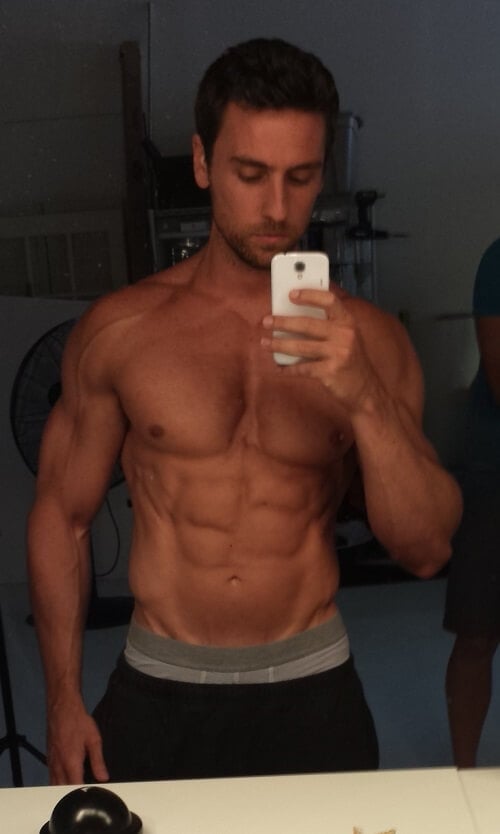


lost little-to-no muscle and am noticeably leaner in core.

So, let’s talk about how I did this and how you can too.
 
As you know, there are two basic ways to lose belly fat faster:speed up the rate at which you lose fat in general and, help your body better mobilize the fat cells with high amounts of alpha-receptors.

5 different science-based ways to do these things. Let’s talk about each.

1. Utilize a moderately aggressive calorie deficit.

When you’re dieting for fat loss, your goal should be to lose fat as quickly as possible while also preserving your muscle and health.

How well you do this will be mainly determined by the size of your calorie deficit.

That is, a small deficit of 5 to 10% will yield smaller and slower results than a larger deficit of 20 to 25%.

The question, however, is how large of a calorie deficit you can place your body in before problems related to hunger, cravings, and muscle loss really kick in.

Well, there’s a bit of research that can help lend insight.

A study conducted by scientists at the University of Jyväskylä had elite, lean (=< 10% body fat) track and field jumpers and sprinters restrict calories for fat loss for 4 weeks.

All participants exercised on their regular schedule and followed a high-protein diet. One group of the athletes maintained a ~12% calorie deficit, eating about 300 calories less than they burned each day, and another group maintained a ~24% deficit, eating about 750 fewer calories than they burned.

After 4 weeks, the 12% deficit group lost very little fat and muscle and the 24% deficit group lost an average of 4 pounds of fat and very little muscle.

I’ve seen the same type of results with my own body and with many of the thousands of people I’ve worked with.

If you eat enough protein, use weightlifting to drive your fat loss, and keep cardio to a minimum, you can safely maintain a 20 to 25% calorie deficit and maximize fat loss while minimizing muscle loss.

In fact, I’d go as far as saying that larger deficits are necessary for continuing to lose fat as you get leaner and are dealing more and more with stubborn fat. So don’t be afraid of a moderate calorie deficit. It’s a powerful tool for getting lean.

2. Train in a fasted state.

Why Belly Fat Is So Stubborn (How to Lose It)

If you’ve ever looked for advice on how to lose fat faster—and especially stubborn hip, belly, and thigh fat—you’ve probably read about exercising on an empty stomach.

According to many experts, training on an empty stomach is a simple but powerful way to increase the amount of fat your body burns while you work out.

There’s truth in this advice, but there’s also a problem: it’s not that simple. How empty of a stomach, exactly? What types of exercise work best? Are there any drawbacks?

Well, the first thing you need to understand is that it’s not enough to simply have a stomach that feels “empty.” This guarantees nothing in the way of accelerated fat loss.

What can help you lose fat faster, however, is training in a “fasted” state, which has to do with the levels of various hormones that affect fat loss, not how empty or full your stomach is.

You see, when you eat food, your body’s insulin levels rise, and it begins breaking down, absorbing, and using and storing the nutrients you’ve just fed it. This is known as the “postprandial” (prandial means “having to do with a meal”) or “fed” state, and it can last anywhere from two to six or more hours, depending on how much and what types of food you eat in a meal.

Eventually, your body finishes processing the food, and insulin levels drop to a low, stable baseline level, where they remain until you eat food again. This is known as the “postabsorptive” or “fasted” state.

Every day, your body flips back and forth between these fed and fasted states. Exercise done while your insulin levels are elevated and your body is still processing your last meal and insulin levels are high is fed training, and exercise done when your body has finished and insulin is low is fasted training.

Now, there’s nothing wrong with training in a fed state. Any exercise burns energy, which supports your weight-loss efforts. What many people don’t know, however, is that training in a fasted state offers several unique fat loss benefits.

1. Research shows that exercising in a fasted state increases both lipolysis and fat oxidation rates.

What this means is that when you exercise with your insulin at a baseline level, your body is able to both mobilize and burn more fat during your workouts than when insulin levels are elevated.

2. Research shows that blood flow in the abdominal region is increased when you’re in a fasted state, which helps you burn the “stubborn” fat in this region.

As you know, one of the problems with stubborn fat, and belly fat in particular, is the reduced blood flow in the regions, and fasted training can help overcome this.

There is a major downside to fasted training, however: it increases muscle breakdown rates.

This is undesirable because if you damage and break down too many muscle cells in your workouts, your body won’t be able to keep up with repair, and you can lose muscle over time.

Another downside to fasted exercise is lackluster workouts. Many people find they have less energy and focus when training in a fasted state and thus aren’t able maintain the level of physical and mental intensity they’re used to.

So, as you can see, fasted training is a double-edged sword. It’s good for losing fat faster, but it’s not so good for maintaining muscle and enjoying your workouts.

Fortunately, you can cancel out these downsides with effective supplementation.

You can neutralize the muscle loss with β-Hydroxy β-Methylbutyrate (also known as HMB). This is a substance formed when your body metabolizes the amino acid leucine, which is an amino acid that directly stimulates protein synthesis.

HMB is often sold as a muscle-building aid but the research purported to demonstrate these benefits is shaky at best, hindered most by design flaws. Thus, I’m not comfortable making any claims about muscle growth.

There is one benefit of HMB that’s well established, however: it’s an extremely effective anti-catabolic agent.

That is, it’s very good at preventing muscle breakdown, which means you will recover faster from your workouts and experience less muscle soreness (and the free acid form shows the most promise in this regard).

It also has no effect whatsoever on insulin levels, which means it won’t break your fasted state like food.

These things make HMB perfect for use with fasted training.

Its powerful anti-catabolic effects and non-existent insulin effects means you reap all the fat loss benefits of training fasted without any of the problems relating to muscle loss or insulin secretion.

It’s also worth noting that HMB is superior to leucine in suppressing muscle breakdown because it’s more anti-catabolic than its “parent” amino acid.

This means it’s also more effective than branched-chain amino acid (BCAA) supplements because they rely on leucine for their anti-catabolic effects (isoleucine and valine are very weak in this regard).

Clinically effective dosages of HMB range between 2 and 3 grams, and that’s what you’ll find in my pre-workout fat burner FORGE:
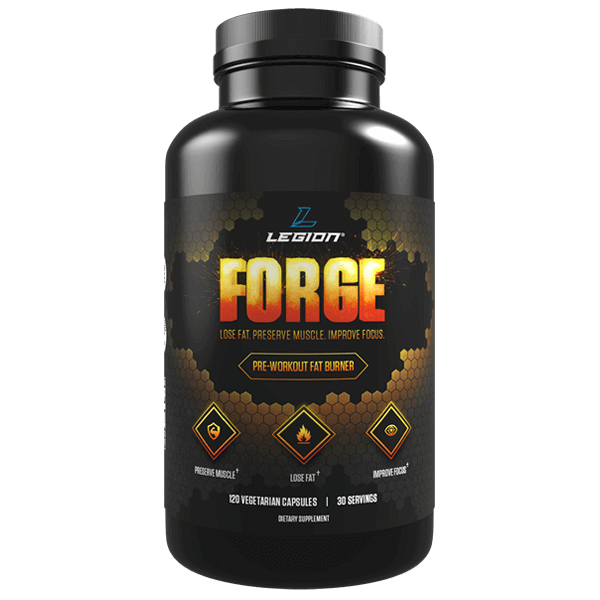
Why Belly Fat Is So Stubborn (How to Lose It)

FORGE also contains a clinically effective dosage of yohimbine, which improves workout performance and directly helps with stubborn fat loss (we’ll talk more about it soon).
 
3. Strategically use cardio to burn fat faster.

The best way to include cardio in a weight loss regimen is to do as little as needed to reach your desired rate of weight loss and stay fit, and no more.

For best results do . . .At least two low- to moderate-intensity cardio workouts per week of 20-to-40 minutes each.
 
One HIIT workout per week if you enjoy it.
No more than 2-to-3 hours of cardio per week.
Cardio and weightlifting on separate days. If that isn’t possible, lift weights first and try to separate the two workouts by at least 6 hours.

Although you’ll often hear fitness gurus tout HIIT as the most effective kind of cardio for fat loss, this isn’t true. Moderate-intensity, steady-state cardio is just as good at fat-burning, easier to recover from, and doesn’t sap your motivation or energy as much as HIIT, which is why I recommend you do it for the majority of your cardio workouts.

4. Lift heavy weights.
Why Belly Fat Is So Stubborn (How to Lose It)

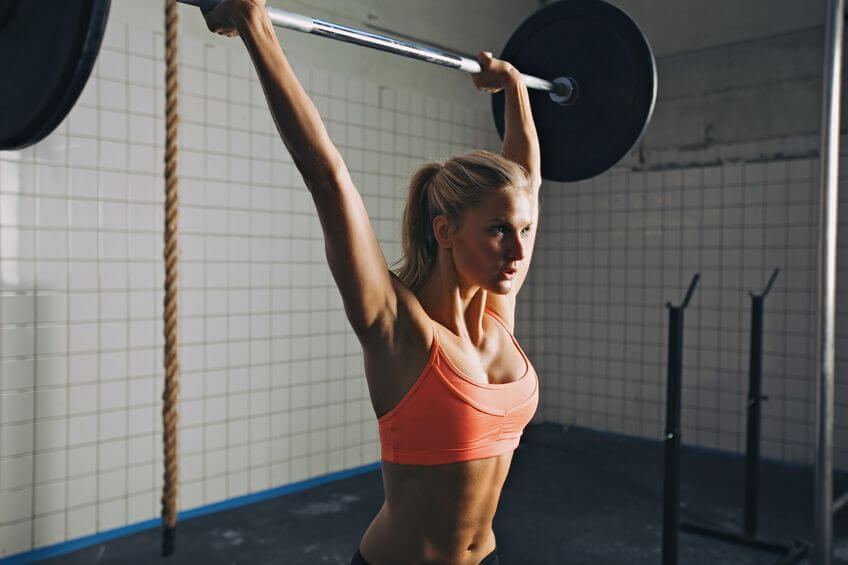
If you’re familiar with my work, you know that I’m a big proponent of heavy, compound weightlifting.

This type of training offers two big fat loss benefits.

1. It helps you preserve your strength while in a calorie deficit, which in turn helps you preserve your muscle.

2. It dramatically increases your basal metabolic rate for several days after each workout, and research shows this type of training can result in hundreds of more calories burned than workouts performed with lighter weights.

Another noteworthy benefit of heavy, compound training is the simple fact that most people find it more enjoyable than high-rep, “feel the burn” workouts, and more enjoyable workouts means better long-term compliance and progression.

3. Take supplements proven to impact fat loss.

Supplements aren’t the key to fat loss, but if you combine the right ones with a proper diet and exercise routine, you can dramatically speed up the process.  

Caffeine

Millions of people can’t shake the cobwebs without their morning cups of coffee but this powerful compound has a lot more going for it.

Caffeine helps you lose weight by increasing the amount of energy your body burns throughout the day, and it also improves strength, promotes muscle endurance, and enhances anaerobic performance.

For best results, research has shown that caffeine is best delivered in a pill or powder format, though you must be careful to avoid building up a tolerance to it.

Then do 20-to-40 minutes of low-to-moderate-intensity cardio on the recumbent bike and eat dinner after, followed by about 40 grams of protein an hour or so before bed.

The Bottom Line on Losing Belly Fat
Why Belly Fat Is So Stubborn (How to Lose It)

Millions of people are struggling to lose belly fat and resorting to all kinds of weird diets, supplements, and “flat belly tricks.”

It doesn’t have to be that way. For anyone. Ever.

If you take the simple actions laid out in this article, you can get that lean, rippling six pack you’ve always wanted and keep it for the rest of your life.
Fat vs Muscle

 Fat vs Muscle : What’s The Difference?


Fat vs Muscle


Which weighs more, muscle or fat?

If you answered “they weigh the same”, you are correct. The difference is that muscle is denser so it takes up less space.

To put it another way, if you gained 5 pounds of muscle and lost 5 pounds of fat, your body weight would stay the same but you would appear smaller because 5 pounds of muscle will occupy less physical space than 5 pounds of fat.

Whether or not you are looking to lose weight or build muscle, you should be aware of the ways that muscle benefits your body and your overall health.

Research shows that there is a direct correlation between increased lean muscle mass and improved insulin sensitivity.

This means that the more lean muscle you have, the better your body can handle glucose, which in turn results in less stored body fat.

This is important because higher levels of stored body fat have been linked to everything from obesity, heart disease, diabetes, high blood pressure, stroke, heart attack, kidney disease, atherosclerosis, arthritis and even some forms of cancer.

Not to mention you look and feel better about yourself when your body fat is lower.

Fat vs Muscle

Benefits of increased lean muscle include:Increased Metabolism: Because muscle is denser than fat, it requires more calories. This means the more muscle you have, the more calories you will burn throughout the day.

Improved Bone Mass: Muscle strengthens the bones it surrounds and supports.
Reduced Injury Risk: To gain muscle you need to strength train. Strength training improves bone mass, core strength, balance, and coordination which in turn reduce the risk of injury.

Increased Muscle Definition

Increased Likelihood Of Living Longer: As mentioned, strength training helps us to preserve areas that degrade as we age such as bone density and balance. Muscular individuals have a lower risk of falling in old age and less of a chance of seriously injuring themselves. Also, the more muscle you have, the harder your body needs to work to maintain its resting level. This results in better circulation, healthy organs, and a reduced risk of illness.

Resistance training at least three times per week in conjunction with a high protein diet is a great way to build lean muscle and increase the number of calories you burn on a daily basis.


Like and Share...

Top 5 Shoulder Exercises for Rapid Shoulder Growth


Top 5 Shoulder Exercises for Rapid Shoulder Growth


Top 5 Shoulder Exercises for Rapid Shoulder Growth 


We'll look at the top 5 shoulder exercises to help you grow your shoulders faster in this blog.
Let's start with some exercises. Your gym guides are always there to assist you at any moment.

1. Front Raise using Dumbbells:


Top 5 Shoulder Exercises for Rapid Shoulder Growth


* Pick up a pair of dumbbells and place them in front of your thighs at arms length, palms facing your thighs.

* Lift the left dumbbell to the front with a slight bend in the elbow and the palms of the hands always facing down while keeping the torso steady (no swinging). Continue to raise your arm until it is just above parallel to the ground.

* Now slowly lower the dumbbell to its starting position while simultaneously lifting the right dumbbell.

* Perform three sets of 15 reps of this shoulder front raise workout.


2. Lateral Dumbbell Raise:


Top 5 Shoulder Exercises for Rapid Shoulder Growth


* Choose a pair of dumbbells and stand with your body straight and the dumbbells at your side at arms length, palms facing you.

* Lift the dumbbells to your side with a small bend in the elbow and hands slightly tilted forward while keeping your torso steady (no swinging). Continue to raise your arms until they are parallel to the floor.

* As you inhale, slowly lower the dumbbells back to the beginning position.

* 10 reps with 3 sets is the recommended amount of repetitions.

3. Shoulder push-ups using a barbell:

Top 5 Shoulder Exercises for Rapid Shoulder Growth


* Stand or sit with your feet shoulder-width apart and your elbows pointed forward, gripping the bar with your fingertips.

* The bar should be resting on the front of your shoulders.

* Squat down and center your weight under the barbell in a shallow squat.

* Your heels should be pressed up.

* Raise the bar above your head until your arms are completely straight.

* Lower the bar to your chest level.


4. Reverse Flyers are a great way to get your message through in a different way

Top 5 Shoulder Exercises for Rapid Shoulder Growth


* Grab a pair of dumbbells and bend your hips forward until your body is nearly equal to the floor.

* Maintain a shoulder-width distance between your feet. Allow the dumbbells to hang straight down from your shoulders with your arms slightly bent, palms facing each other.

* Raise your arms straight out to the sides until they're in line with your body, keeping your back flat and your torso still. Do not alter the angle of your elbows. Return to the starting position after a brief pause.

* Rep this shoulder exercise three times for a total of ten reps.

5. Arnold Press / Up lift :


Top 5 Shoulder Exercises for Rapid Shoulder Growth


* Hold a pair of weights in front of your shoulders with your hands facing your body. (Begin in a position that looks like the top of a dumbbell curl.)

* If you have lower-back difficulties or are just getting started, execute this move on a back-supporting chair or bench.

* Start with a lighter weight than you would for overhead dumbbell presses; you can easily increase the weight later.

* 3 sets of 15 reps of the Arnold press shoulder exercise


Sharing is caring...

Effective Way Of Calculating Your Macros

How to Calculate your Macros? 

Effective Way Of Calculating Your Macros

A vital part of your fitness journey is to know how to count macros (protein, fats, carbs, and fiber) to achieve your body composition goals. But before we can move forward, we must first find out the number of calories you burn in a day or  Total Daily Energy Expenditure (TDEE). 

So now that you know your TDEE, we can start setting up your macros.

Let’s use this example. Bill has a TDEE of 2900 calories.
He can either eat more than his TDEE to gain weight.
Eat less than the TDEE to lose weight.
Eat the same as your TDEE to maintain your weight.

To gain weight, Bill would add 500 calories a day to your TDEE to gain 1 pound a week.

To lose weight, Bill would want to subtract 500 calories to lose a pound a week. When it comes to losing weight, you don’t want to lose more than 2 pounds a week.

Losing more than 2 pounds a week increases the risk of losing muscle. We want to preserve our muscle.

So back to our example. Bill has a TDEE of 2900 and wants to lose 1 pound a week to preserve as much muscle as possible.

First, we subtract his TDEE by 500.

2900-500= 2400 calories a day.

Now we can start setting up his macros.

First, we start with protein.
Four calories per 1 gram of protein
20-30% thermogenic effect
.8 grams to 1.2 grams per lb of body weight.

In this case, we will use 1.2 g/lb.

If Bill weighs 190 lbs, we will multiply 190 x 1.2= 228 grams of protein per day.

Then we multiply 228 x 4 (the calorie value of protein), and that gives us …912 calories.

2400-912 leaves us with 1488 calories left to be split between carbs and fats.


 Like & Share...

Testosterone Natural Ways To Increase

If you are wondering how to increase testosterone naturally in your body, then this article will give you a few quick and easy tips!

Every man wants to be able to increase his testosterone just a little bit.

I mean, why wouldn’t we all?

Never have I met a man who wants to DECREASE his testosterone, though I am sure there are a few.

But in general, men want to know how it’s possible to increase their testosterone levels. And even better if we can do this naturally.

And by simply making a few small adjustments, you too can increase the levels of testosterone found in your body.

All naturally!


10 Ways To Increase Testosterone Naturally
 
Now before I go into the ways we can get our testosterone levels up, let me quickly break down why it’s important to have a good level of testosterone, and how it’s good for us men.

We all know that testosterone and being strong with a few muscles are linked, but there are many more benefits that come from having healthy testosterone levels.

Some of the benefits include:
Boosts energy levels
Improves bone density
Improves stamina and overall strength
Healthy sexual drive
Can increase confidence
Leads to a happier and more satisfied life

If you are interested in increasing your testosterone levels in a healthy and natural way, then the 10 ways to do so below will be helpful!


These tips are simple, and can be applied to everyday life.

There’s never any harm for us men to change up our lives in a natural way that can impact our overall health positively.

So let’s get started!

1: Do HIIT Workouts Or Lift Heavy Things


Doing high intensity workouts such as this one, or lifting heavy weights, will help you increase your testosterone levels.

A regular workout doesn’t help your testosterone levels as much as a highly intense one.

We love doing short, high intensity workouts.

I won’t ever spend more than 20 minutes on a full workout, so HIIT is really great for me.

 2: Get More Sunshine


If you don’t get out in the sun a lot, then maybe you should start!

Getting in sufficient vitamin D is important for us men.

Not just to get a lovely tan, but also for all the health benefits that vitamin D has.

By getting in some direct sunlight on a daily basis, we improve our overall level of happiness. And it is also a natural way to boost testosterone.

A good way to do this is to take up outdoor hobbies such as hiking, camping, surfing etc. I personally try and exercise outside as much as possible.
 
3: Consume Healthy Fats


Consuming healthy fats assists your body in producing testosterone.

Now the emphasis here is on healthy fats, not just fats in general!

You need to make sure that your diet consists of about 20-25% healthy fats.

Below are a few examples of healthy fats we should be eating:
Olive oil
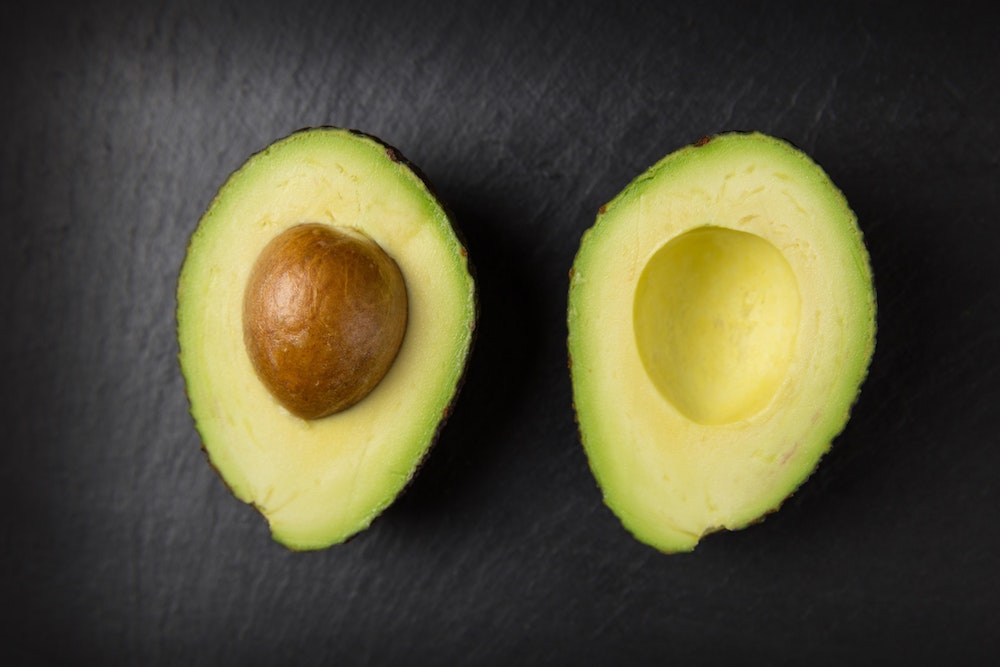
Avocados
Coconut oil
Cashew nuts
Walnuts
Almonds
Flaxseeds
Dark chocolate
Fatty fish
Pistachios

4: Reduce Sugar Consumption


Testosterone levels are depleted after you eat sugar.

This is because sugar causes an increase in your body’s insulin level. And when your body has a higher level of insulin, then testosterone tends to go the other way.

Not only is reducing sugar good for naturally boosting testosterone, but it’s also good for our general state of health!
 
5: Eat More Eggs


Increasing the amount of eggs you eat is a good way to increase your overall level of testosterone.

Eggs are one of the top foods that can boost testosreone. They contain a good cholesterol which helps build up testosterone.

6: Sleep Is Very Important


Sleep is one of, if not the most important aspect when it comes to living a healthy life.

Without it we simply would not be able to function, yet so many people don’t get enough sleep.

The time where your body repairs itself is when you are asleep. This is where your body produces the most testosterone, hence why it plays an important role in increasing testosterone levels.

7: Reduce Consumption Of Alcohol


Now you don’t need to completely cut out the booze.

But reducing it by some margin will definitely help increase your testosterone levels.

Consuming high levels of alcohol on a regular basis can increase your estrogen level. And will stop your body producing sufficient levels of testosterone.

You’ll feel a lot better!
 
8: Avoid Overtraining


Avoid overtraining your body, as this will actually reduce your chances of increasing testosterone levels.

Being able to detect whether you are overtrained or not is quite tricky.

My best bit of basic advice is to simply make sure you get enough rest in between workouts.

Remember that your muscles take about 48 hours to recover completely, so bare this in mind when planning out your weekly workouts.
 
9: Consume More Zinc


Zinc is a mineral which is really important in the production of testosterone.

Research has shown that by not eating enough zinc, your body will decrease its testosterone levels.

Foods which are rich in zinc include:
Most meats, especially beef
Fish
Cheese
Milk
Yoghurt
Beans

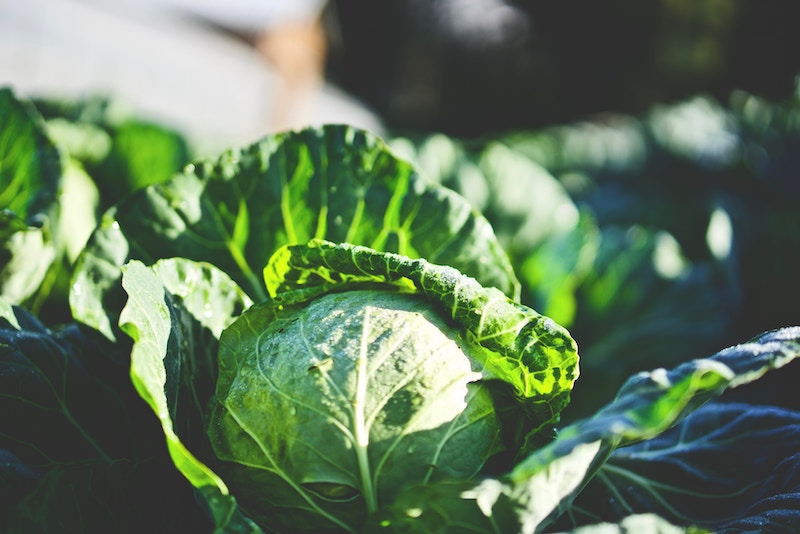
10: Add More Cabbage To Your Diet
 

Cabbage contains a photochemical known as IC3 which helps with increasing the levels of testosterone.

If you aren’t eating a lot of cabbage, then you better start!

It’s an easy vegetable to incorporate into your daily diet.


Final Thoughts

Increasing your testosterone naturally doesn’t mean having to take additional supplements.

By making a few lifestyle changes, you too can get your testosterone levels up!

Diabetic Food List & Exercise

Diabetic Food List – What to Eat & Avoid


 When it comes to diabetes, a healthy diet can not only lower your blood sugar but can also reverse your diagnosis all together. A diabetic food list can help those suffering from type 2 diabetes or prediabetes know exactly what foods to eat and what to avoid. Whether that’s at home, a restaurant or while grocery shopping this food list can be taken anywhere. But why is it so important? Let’s find out.

Diabetes Mellitus is a chronic, metabolic disease characterized by elevated levels of blood glucose (sugar). If not controlled, diabetes can lead to serious complications of the heart, blood vessels, nerves, eyes and kidneys.

Normally the pancreas releases insulin which helps glucose get into the cells to be used for energy. However, this function is impaired in those who have diabetes.

Types of Diabetes

Type 1 diabetes, also called insulin-dependent diabetes is caused by an autoimmune reaction. The immune system in this case attacks itself, specifically the pancreas, causing damage and destroying the cells that produce insulin.

Type 2 diabetes is more common and accounts for 90% of all diabetes cases. Here, the pancreas does not produce enough insulin or doesn’t use insulin well. This results in more glucose in the blood and less reaching the cells which can be harmful to many organs.

Although scary, type 2 diabetes can be reversed with lifestyle changes.

Gestational diabetes occurs when there is high blood sugar during pregnancy which can potentially affect the mother and the baby.

What is Prediabetes?

Prediabetes is a silent health condition which many Americans are unknowingly living with. Here, the blood sugar is higher than normal but not high enough to be considered type 2 diabetes.

Again, like type 2 diabetes, prediabetes can also be prevented and reversed with lifestyle changes such as a pre diabetic diet.

What is glycemic index?

The glycemic index (GI) is a scale that ranks carbohydrates-containing foods or drinks from 0 to 100 depending upon how much they raise blood glucose levels after it’s consumed. Low GI foods (≤ 55 GI units) are considered better for diabetics due to there slow and steady increase in blood glucose levels. High GI foods (≥ 70 GI units) increase blood glucose at a higher and faster rate and should be avoided as much as possible for those with prediabetes and type 2 diabetes.

Diabetes do’s and don’t’s

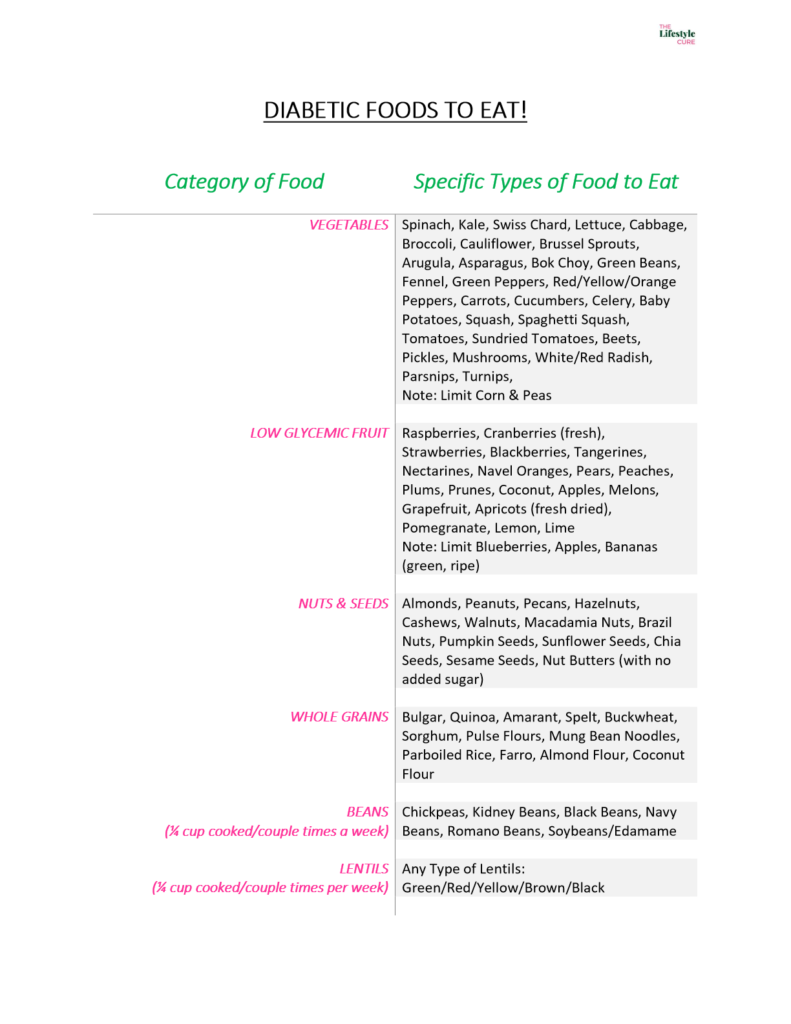
Diabetes do’s will always be whole foods. What does that mean? It means you should be eating foods like:
Vegetables – are filled with fiber, protein and nutrients which helps to nourish the body, maintain blood sugar and keep you full. Non-starchy vegetables in particular are great for diabetics because they are low in carbohydrates keeping blood glucose under control.
Fruits – even though fruits contain carbohydrates diabetics can still have them, they just need to be counted as a part of your meal plan. It’s best to choose fruits that are fresh, frozen or canned without added sugars.
Unsalted Nuts and seeds – should be included in a diabetic diet because they contain magnesium and high levels of beneficial fats. These healthy fats help to both improve glycemic control and help diabetics reduce the risk of heart disease.
Whole grains – are foods with good sources of fiber which can help slow the absorption of glucose in the blood.
Beans – are packed with protein and fiber which have been shown to lower blood glucose levels in diabetics.
Lentils – are complex carbs meaning they are high in fiber and digest slowly. They help not only control blood glucose levels but also appetite.
Fermented foods- are rich in fiber which can stabilize blood glucose and help in weight loss. One study in particular showed these foods to reduce fasting blood glucose, postprandial blood glucose, glucose intolerance and insulin resistance.
Eggs – have a low GI score, great for your waistline and are high in protein which is why it can be included in a diabetic diet. However, it’s important to eat in moderation as it can affect cholesterol which is something to be mindful of since diabetes is a risk factor for cardiovascular disease.
Avocados- have many diabetes benefits including low in carbohydrates, high in fiber, may help with weight loss and improve insulin sensitivity.
Organic, grass fed animal-protein – are loaded with complete protein, rich in vitamins and minerals, and contain healthy omega-3 fatty acids all things good for a diabetic diet.
Herbs and Spices – are great to add to your dishes for flavor, satiety and a whole host of benefits. Particularly for diabetics, they bioactive compounds found in many culinary herbs and spices showed reduced blood glucose and fat.

Diabetes dont’s are foods that should be limited and they are:

Processed/refined carbs – these foods are stripped of almost all fiber, vitamins and minerals and can be considered empty calories. These are high GI foods that cause rapid spikes in blood sugar levels.
Processed meats – can increase cholesterol and weight which can be harmful for diabetics.
High GI fruits – can increase blood glucose quickly making it difficult to control.
Canned foods with added sodium or sugar.
Pre-Packaged, frozen and fast foods – often contain hidden sugars, salt and preservatives which you should be wary of.
Unhealthy fats – are trans fats that are bad for the waistline and heart especially for diabetics.
Low-fat products – tend to replace fat with sugar.
Salty – can raise blood pressure in diabetics putting them more at risk for heart disease
Sweetened beverages – can create imbalances in a person’s insulin levels.
Alcohol – should be had in moderation.

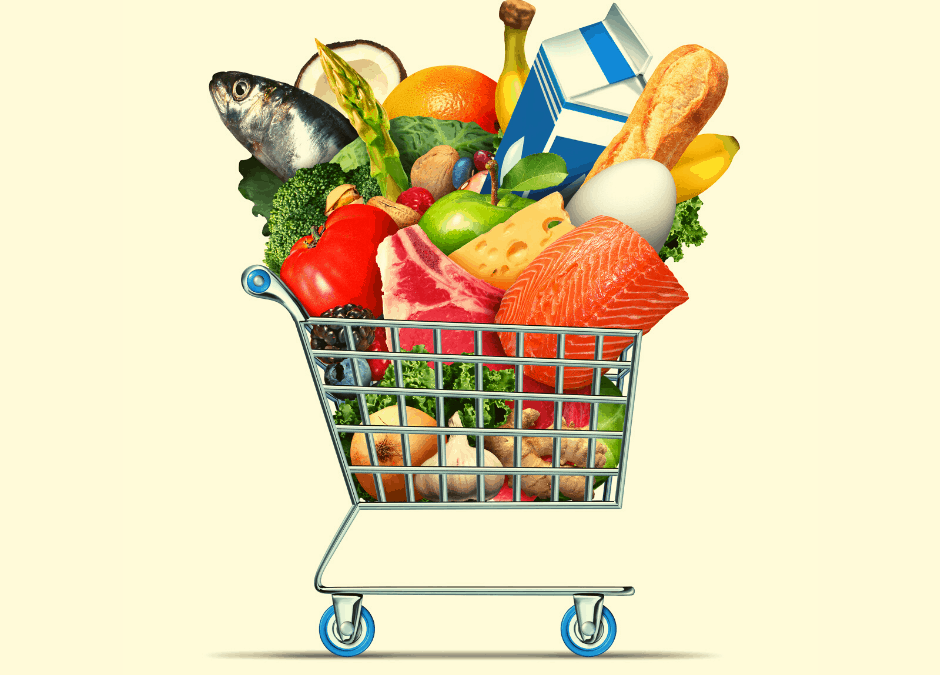
What Foods Can Diabetics Eat Freely- Diabetic Food List

Diet is the cornerstone when it comes to managing blood sugars, which is why it’s important to know what foods diabetics can eat freely and which ones they cannot. By having a diabetic friendly food list on hand, you will not only understand what constitutes a diabetic diet but it will also help you stay on track.

The best way to use this this list is while grocery shopping or you can pin it to the fridge as a reminder when you go to eat. Additionally, this list of foods can also be used for those who are prediabetic.

Now that we know the basics here is:

Diabetic Food List What To Eat


You need to lose weight, and exercise (more), because these two lowers your insulin resistance, that underlies type 2 diabetes.

The DIRECT Study see Durability of a primary care-led weight-management intervention for remission of type 2 diabetes: 2-year results of the DiRECT open-label, cluster-randomised trial lead by Profesor Michael Lean where participants followed a 825–875 Cal diet for 6 months, showed that 74% of those who lost more than 10 kg, and kept it off for 2 years, were still in remission (that is having no clinical diabetes anymore) of their diabetes after 2 years. As you can see in the graph no effect if one didn’t lose enough weight:


From other trials we know that exercising (which can be taking a brisk walk) for at least 150 minutes a week will do.

Although blood glucose levels of 300mg per deciliters are quite high,it won’t kill you, if you’re willing to do that very low calori diet, it will come down within two-three weeks. That’s if you don’t cheat, the hardest part of following such a strict diet, see the number of failures, the numbers under the left columns in the graph.

In an earlier pilot study Professor Roy Taylor Reversal of type 2 diabetes: normalisation of beta cell function in association with decreased pancreas and liver triacylglycerolshowed that on a very low caloric 600 Cal diet blood glucose AFTER STOPPING ALL ANTIDIABETIC MEDS ( including insulin) normalized within one week after starting that very low caloric diet.


So, if you really want to lower your blood glucose levels, go on a very low caloric diet, and before losing much weight your blood glucose levels will go down, even normalize, after one week.


To fill my stomach I have 2 lbs of green leavy veggies daily, that takes care of my dietary fiber and micronutrient needs too.

All the best!

Beer And Bodybuilding


Beer is very popular among the strong half of humanity. Beer is also loved by some athletes, although practically everyone knows that alcohol is not harmless to health and for athletes even more so. And yet most bodybuilders practice drinking a glass of beer, especially on Sundays. How bad it is, or maybe it’s good, it is necessary to understand this issue.

Any alcoholic beverage contains ethanol. In addition, the main property of alcohol is the provision of an inhibitory effect on the receptors of the central nervous system. Alcohol ethanol, contained in alcohol, has a psychoactive effect.

Any bodybuilder should know that any alcohol and bodybuilding are incompatible due to the negative impact on muscle mass and strength. According to scientific studies, the negative effect of any alcohol on a person who is regularly trained is as follows:

1. The use of any alcohol to the state of easy intoxication is equivalent to skipping one exercise.

2. The use of any alcohol to the state of strong intoxication is equivalent to the effect on the muscles of a pass for almost half a month of training.

3.Sistematicheskaya use of any alcohol, including beer, at least 0.5 liters per day leads to a 100% reduction in muscle growth.

All these negative effects on muscle mass are due to the physiological processes taking place in the cell, under the influence of the alkaloids. In healthy, training men after a single use of a glass of beer, testosterone levels dropped significantly and the level of the estrogen hormone increased. This is due to the fact that the beer contains hops, which is an activator of the increase in estrogen in the body of a man. Accordingly, by raising the level of female hormones, the body reduces the content of the male hormone testosterone , because of which the strength decreases. In this regard, we can conclude that beer and bodybuilding. Like any other alcohol is simply incompatible.


getty image

In addition to reducing testosterone, alcohol affects the release of growth hormone, which is responsible for the growth of muscle mass. Growth hormone shows a minimum content for at least two days after taking alcohol.

Another negative factor of the effect of alcohol on the body is fat formation. Especially affects the process of formation of fat cells drinks containing yeast, in particular beer. In addition, do not forget that any alcoholic beverage is a high-calorie product.

All these facts are a direct refutation of the popular belief that it is possible to combine beer and bodybuilding. Allegedly beer along with sour cream helps to increase muscle mass. From all the above, it follows that this opinion is erroneous. And for a seriously training person, the use of any alcohol is a way to regress.
Beer and sports

Since beer refers to an alcoholic beverage, its use adversely affects the results of sports training. For bodybuilders, it is dangerous to reduce the speed of muscle mass gain, decrease in strength characteristics, and slow the recovery process. Based on research conducted by scientists, we can safely say that:
drinking beer, when you feel a slight alcoholic intoxication, is equivalent to skipping one workout;
in the case of apparent intoxication, the reduction of force data should be expected, and the recovery process may last a couple of weeks;
if the beer is consumed on a regular basis, even after a day, it leads to stagnation and a decrease in the growth of muscle tissue by 100%.
Effects of beer intake in bodybuilding

In bodybuilding, as in any other sport, the use of beer leads to the manifestation of negative effects, for example:
-> The level of testosterone decreases and this leads to a slowdown in muscle growth, since any alcohol and beer, including, stimulates the secretion of catabolic hormones;
-> The level of potency decreases, as the level of testosterone decreases and the level of ceresol increases;
-> The level of estrogen increases, as the female sex hormones are contained in the beer, and this leads to the deposition of excess fat, reduced potency, fatigue, slower muscle growth, reduced strength data, the appearance of gynecomastia and other problems
-> The superfluous fat is postponed also thanks to high caloric content of beer
-> Normal sleep patterns and recovery process are disrupted
-> Deteriorates the quality of sperm.

From the above, it should be concluded that beer in bodybuilding has a negative effect on the training process. As for the positive qualities, they simply do not exist.

Nonalcoholic beer in bodybuilding

Naturally, the use of beer, especially alcohol-free, reduces the harmful effect on the body of athletes, but not completely, because high caloric content and high estrogen content remains.

In this regard, it can be argued that non-alcoholic beer negatively affects the body, by depositing fatty tissues.


getty image

There is another factor that has a significant impact – this is the quality of both non-alcoholic and alcoholic beers. Especially it concerns the domestic manufacturer, because sometimes the prices for beer are rather doubtful, which indicates their low quality. As for European countries, the situation here is somewhat better and the quality of food products is controlled accordingly. Despite this, even high-quality beer is not recommended for athletes, if they want to achieve high results in sports.
Dependence on beer

Do not discount the fact that alcohol has a narcotic effect on the human body. Dependence on beer is not a fictitious myth of fighters for a healthy lifestyle, but a scientifically proven phenomenon. Therefore, do not forget not only the negative effect, but also that excessive beer craze leads to dependence on this drink. This dependence is difficult to track, since retraction is carried out gradually and is practically not noticeable for the athlete. First he drinks a cup a month, then a cup a week and, finally, the athlete starts practicing almost daily beer.

Knowing the results, we can safely say that the use of beer, including non-alcoholic beer, deprives the athlete of any chance of high sports results. Unfortunately, this problem has a broader concept, since alcohol affects not only sports performance, but also normal family life, has a negative impact on the financial situation. Therefore, not only on weekends, but also on holidays it is better to give preference to juices or compotes.

To correctly combine alcohol and physical activity, you should adhere to the following tips:

So, beer versus bodybuilding – is it possible to combine, and if so, how?
1. You can’t work out for two days after drinking beer, this period it is very easy to crush the muscles;
2. Do not to drink alcohol for a couple of days after hard workout, as this eliminates the positive effect of workout plan;
3. Choose some foods that contain amounts of protein so it can reduce the bad effects of beer on muscles.
4. Drink a lot of mineral water use ascorbic acid to restore water balance the next morning after beer.

Conclusion about beer and bodybuilding: It will do more harm than good, so if you want to to maintain your health, many doctors recommend a pause of two days between workout and drinking beer.

Sharing is caring...

Should You Skip the Fitness Center Because of Coronavirus? What a Physician Wants You to Know

As the unique coronavirus (COVID-19) episode proceeds, we're seeing big public events like meetings, music events, and also sporting events terminated or delayed all over the world. (The Tokyo Olympics are still TBD.) It's enough to make you ask yourself if you must be preventing even smaller sized public areas, places like the gym, where you're sharing equipment as well as coming in contact with people sweating as well as panting. We asked John Whyte, MD, MPH, the primary medical police officer at WebMD, just how concerned you in fact ought to be about coronavirus at the health club, when it's better to stay home, and whether sweat and switching pinheads postures any risk.

Is It Safe to head to the Fitness Center Throughout the Coronavirus Break out?

" The health club, like other public locations, is secure as long as you take precautions," Dr. Whyte informed. That's since coronavirus is mostly spread "via straight contract with breathing droplets," which are released when you sneeze and also cough. It's much less most likely (although still possible) that you'll obtain coronavirus by touching an infected surface. To put it simply, you have much less of an opportunity of picking up the virus by sharing pinheads as well as utilizing public machines than by standing near somebody who's sneezing and coughing. (More prevention and also security suggestions soon.).

" Unless there is a complete quarantine in your location, it is most likely still alright to visit the fitness center," Dr. Whyte stated. "Numerous health clubs are using hospital-grade cleaners to sterilize devices." Call your local facility to see what preventative measures they're taking and what their referrals are for staying at home versus hitting the fitness center.

That stated, if you are experiencing signs and symptoms of COVID-19, such as fever, tiredness, as well as completely dry cough, "you need to seek treatment and also be evaluated," Dr. Whyte stated. The circumstance may ask for you to self-quarantine and also prevent entering into contact with other people. "Do not go to the health club or anywhere else if you have signs," Dr. Whyte encouraged. (Here's more on just how to separate between COVID-19, the influenza, and also a cold, as well as the currently-approved ways to treat it.).

Can You Transmit Coronavirus With Sweat?

According to Dr. Whyte, there is no proof that COVID-19 is transferred with sweat. "It is a breathing virus, so the lung is where the virus strikes," he clarified. "Sweat doesn't consist of respiratory system beads, so there's no existing beliefs that sweat is a source of the infection.".

For coronavirus avoidance in addition to for basic hygiene, you should still clean floor coverings and gym tools with disinfecting spray or wipes before and also after usage (ensure they're 60 percent or higher in ethanol or isopropyl). Sweat itself, though, will not transfer COVID-19. As Dr. Whyte put it, "Although that there is a great deal of sweating going on in the health club, there's no proof fitness centers are not safe.".

Exactly How Can I Stay Safe at the Health Club During the Coronavirus Outbreak?
Dr. Whyte recommended a few precautions you must take at the health club throughout the coronavirus outbreak.

Prevent individuals who are sneezing or coughing.
Stay 6 feet away from lots of people.
Wash your hands commonly as well as for at least 20 seconds. (Here's the correct means to do it.).
Stay clear of touching your eyes, nose, and mouth. (If you require to wipe sweat, utilize a non reusable paper towel as well as clean your hands later on.).
Wipe down tools with sanitizer before and also after usage. Right here's even more on the approved cleansing products that declare to assist to fight coronavirus.


Image Resource: Getty/ Thomas Barwick.

Remain on a towel.

Shower after working out at the fitness center.
Here are more tips for avoiding coronavirus, the influenza, and various other infections at the health club.

Should I Still Workout Throughout the Coronavirus Episode?

Taking into account the novel coronavirus outbreak, "one of the methods to efficiently fight the infection to be healthy and balanced," Dr. Whyte claimed. "Being active is one way to do that, along with healthy eating." Actually, workout may in fact enhance your body immune system. Still, if you're really feeling nervous about coronavirus, Dr. Whyte noted that you don't necessarily have to go to the fitness center to work out. You can bring up at-home bodyweight exercises or exercise video to exercise right in your living room or garage. The workout may also enhance your state of mind as well as soothe several of your anxiety.

If you have actually been adhering to coronavirus information, you know the scenario can alter promptly. While there's no current evidence that the health club is dangerous for most people, you must take specific precautions if there is a coronavirus outbreak in your area, if you're experiencing symptoms, or if you have hidden problems that boost your danger, such as heart, kidney, or lung illness. "If the outbreak ends up being a lot more extensive, it could be time to rethink public places," Dr. Whyte claimed. "Yet now, for many areas, going to the gym-- workout in any type of layout-- is fine.".

Shring is caring...

A Diet & Exercise Plan for a 60-Year-Old Woman

A combination of diet and exercise changes is the most effective way for post-menopausal women to lose weight and body fat, according to a study published in Obesity in 2012. Eating fewer calories while maintaining a high intake of protein and fiber and exercising about an hour each day are among the more effective changes you can make for weight loss. Check with your doctor before starting this new plan, however, to make sure it is safe for you.

A Diet & Exercise Plan For A 60-year-old Woman | LIVESTRONG.COM

Estimated Calorie Needs for a 60-Year-Old Woman

Your metabolism slows as you age, so you'll likely need to work harder to lose weight than you did in your 20s and 30s. After age 20, your metabolism decreases by about 2 or 3 percent each decade, mostly due to losing muscle mass. Decreasing caloric intake by about 150 calories every 10 years may help limit weight gain caused by this slowdown.

How many calories you should eat per day to maintain your weight varies based on activity level. A 60-year-old woman who isn't active needs about 1,600 calories per day, one who is moderately active needs about 1,800 calories per day and one who is active typically needs between 2,000 and 2,200 calories per day. To lose about 1 pound per week, you need to get 500 fewer calories than you burn each day. That could mean eating 500 fewer calories than your needs, burning an extra 500 calories through exercise or some combination of the two. Never eat fewer than 1,200 calories daily or you'll risk nutrient deficiencies -- if you're sedentary and need just 1,600 calories daily to maintain your weight, you could cut your calorie intake by 400 calories and burn the extra 100 calories through exercise.

Sample Diet for a 60-Year-Old Woman

The U.S. Department of Agriculture recommends a person of this age needing about 1,600 calories per day eat 1.5 cups of fruit, 2 cups of vegetables, 5 ounces of grains, 5 ounces of protein-rich foods and the equivalent of 3 cups of fat-free milk in dairy products each day.
Protein sources should be lean, such as seafood, skinless poultry, eggs and legumes, and grains should be whole grains. Try to get 25 to 30 grams of protein in each meal, as this may help decrease muscle loss. Avoid "junk" foods high in saturated or trans fats, as well as added sugars -- these foods are often loaded with calories but offer little nutritional value.
Advertisement
A sample day could include a breakfast of an orange or a cup of berries, a cup of oatmeal and a cup of nonfat yogurt. For lunch, try 2 ounces of turkey and 1 ounce of cheese on two slices of whole-grain bread served with a cup of salad and an apple. Dinner could be 3 ounces of tuna, 1 cup cooked broccoli, a glass of milk and 1/2 cup of quinoa.

Recommended Aerobic Exercise

The minimum recommended aerobic exercise for older adults is two hours and 30 minutes per week of moderate exercise, but for weight loss, you'll need to get about twice that much exercise. Try to participate in some form of aerobic exercise, such as walking or swimming, for an hour most days of the week. Women who aren't as fit can break this down into multiple segments of 10 or more minutes of exercise spread throughout the day.
Exercise should be difficult enough that you can talk but not sing. A 154-pound person burns about 280 calories per hour of walking at 3.5 miles per hour and 290 calories per hour of biking at less than 10 miles per hour. This can make a big dent in the 500-calorie-per-day deficit needed to lose 1 pound per week.

Importance of Strength Training

While participating in strength-training workouts may not burn a lot of calories, it can help older adults minimize muscle loss and decreases in metabolism. Once adults turn 30, they lose between 3 and 8 percent of their muscle mass every 10 years if they don't participate in strength training. Strength training may also help older women maintain their bone density and improve their balance and coordination, which makes it easier for them to remain independent for longer and helps prevent falls.
Aim to complete at least two of these workouts per week, including 10 to 15 repetitions of exercises that target the arms, chest, shoulders, back, abdomen, legs and hips.
Don't work the same muscles two days in a row to avoid overtraining, and get creative with at-home workouts using soup cans or water bottles as light weights. As the exercises get easier, increase the weight so that it is difficult to complete the exercise eight times in a row -- once you can complete eight repetitions, up the weight again to continue your progress.

Sample Strength-Training Exercises

Squeezing a tennis ball as hard as you can for about five seconds at a time can help improve your hand strength, while doing wrist curls while resting your forearm on the arm of a chair and holding a weight can increase your wrist strength. Arm curls, arm raises to the side and the front and overhead arm raises that start with your arms bent and your hands at your shoulders all improve arm strength. Other arm exercises include seated rows, chair dips and elbow extensions.
You can improve chest strength by doing wall pushups, and raising your legs behind you or to the side while holding onto a chair for balance will help strengthen your legs.
Knee curls, standing up from sitting on a chair and raising yourself up so you're standing on your toes are also good ways to increase leg strength. Stepping onto and off of a step while holding the handrail for balance is another good leg-strengthening exercise, and you can strengthen your abdominals and rear end by lying on the floor with your knees bent and raising your hips to do pelvic tilts. Lying on your stomach and raising your head as well as opposite arms and legs also strengthens your back.

Copyright

NoelGRSr 2016