Showing posts with label Nutrition. Show all posts

Nature’s Viagra? The Truth About 3 Foods That May Support Male Fertility

Introduction

Social media is filled with bold claims about “natural Viagra” foods that supposedly boost testosterone, fertility, and sexual performance. While no food can replace prescription medication or guarantee results, certain nutrient-rich foods do provide vitamins and minerals that support overall reproductive health.

Among the most commonly recommended are oysters, pumpkin seeds, and berries. Here’s what science says about these popular superfoods.


The Three Foods Everyone Is Talking About

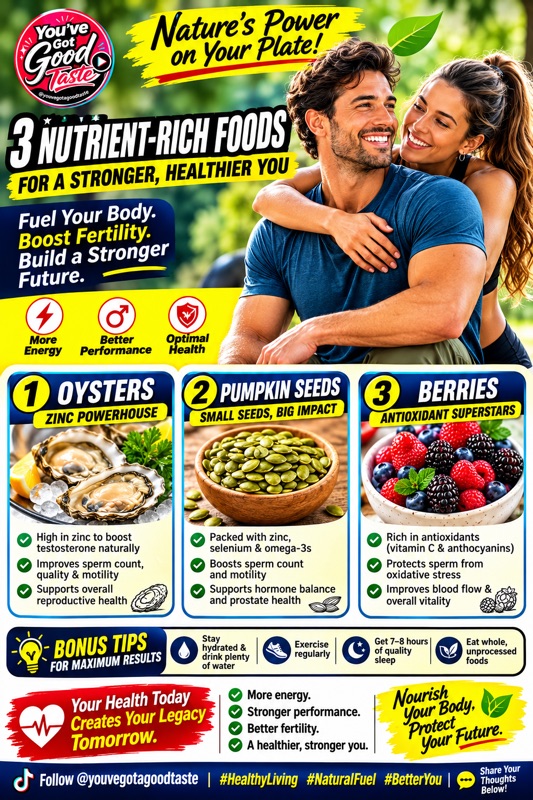
1. Oysters – A Zinc Powerhouse

Oysters are one of the richest natural sources of zinc, an essential mineral involved in many bodily functions, including reproductive health.

Potential benefits include:

  • Supports normal testosterone production in men with adequate zinc levels.
  • Helps maintain healthy sperm production and quality.
  • Contributes to normal immune system function.

However, eating oysters alone will not dramatically increase testosterone or cure fertility issues.


2. Pumpkin Seeds – Tiny Seeds, Big Nutrition

Pumpkin seeds are loaded with:

  • Zinc
  • Magnesium
  • Selenium
  • Healthy fats
  • Plant protein

These nutrients help support:

  • Hormone balance
  • Prostate health
  • Heart health
  • Overall wellness

Pumpkin seeds are a healthy addition to a balanced diet, but they are not a miracle fertility treatment.


3. Berries – Antioxidant Superstars

Blueberries, strawberries, raspberries, and blackberries are rich in antioxidants, including vitamin C and anthocyanins.

These compounds help:

  • Protect cells from oxidative stress.
  • Support blood vessel health.
  • Promote overall cardiovascular wellness.

Since good circulation plays an important role in sexual health, berries can be a valuable part of a healthy lifestyle.


Healthy Habits Matter More Than Any Single Food

Nutrition is only one piece of the puzzle. Experts generally recommend:

  • Drink plenty of water.
  • Exercise regularly.
  • Maintain a healthy weight.
  • Sleep 7–9 hours each night.
  • Avoid smoking and excessive alcohol.
  • Eat a balanced diet rich in fruits, vegetables, whole grains, lean protein, and healthy fats.

These habits have a much greater impact on long-term health than relying on any single “superfood.”


Can These Foods Replace Medication?

The simple answer is no.

Despite the nickname “Nature’s Viagra,” there is no scientific evidence that oysters, pumpkin seeds, or berries work like prescription medications for erectile dysfunction.

If someone experiences ongoing fertility problems, low libido, or erectile dysfunction, it’s important to seek medical advice. These conditions can sometimes be linked to diabetes, cardiovascular disease, hormonal disorders, or other underlying health issues that require professional evaluation.


Why This Topic Matters

Good nutrition supports overall health, and a healthy body is more likely to function at its best. While there are no miracle foods, consistently making healthier food choices can contribute to better energy, improved wellness, and reproductive health over time.


Your Commentary

Social media headlines often exaggerate health claims to grab attention. Instead of searching for a magic food, focus on building healthy daily habits. Oysters, pumpkin seeds, and berries are excellent foods to include in your diet—but they work best as part of an overall healthy lifestyle, not as a replacement for medical treatment or a balanced nutrition plan.


Conclusion

There is no “natural Viagra” hidden in your kitchen, but there are foods that nourish your body and support your health. A balanced diet, regular exercise, quality sleep, and proper medical care remain the strongest foundation for better wellness and reproductive health.


Follow: @youvegotagoodtaste

Hashtags:
#MensHealth #HealthyEating #Nutrition #Wellness #HealthyLifestyle #Superfoods #MaleHealth #Fitness #HealthTips #YouveGotGoodTaste #SideEffect

Share your thoughts respectfully in the comments below.

Warning Signs That Your Liver Isn’t Functioning properly


Top 11 Warning Signs That Your Liver Isn’t Functioning Properly.


Beware! Those Toxins Are Accumulating In Your Fatty Tissues!


Liver – the heaviest and the second largest organ in the human body. It is probably one of the most hardworking organs of the body and performs a number of functions. It is a key player in our body’s digestive system as whatever you eat or drink passes through it.


Our liver sits exactly under the lower rib cage on the right side of our body and is about the size of a football (size may vary from person to person according to the body type). 


The most important function of the liver is cleaning the blood by getting rid of harmful chemicals present in the body. It also helps in the production of bile, which, in turn, helps in breaking down the fat in the body. It helps in the storing of sugar (glucose), which provides a quick energy boost whenever required by the body.


  1. There is hormonal imbalance in the body.
  2. Improper digestion of food.
  3. You experience anxiety 
  4. depression quite often.
  5. Constant headache.
  6. Joint pains.
  7. You feel lethargic.
  8. Chronic fatigue.
  9. Facial acne.
  10. Abdominal pain.
  11. Diarrhea or constipation.


Now, the next question that arises is how can you take good care of your liver, and if your liver is not functioning well, what can you do to improve its functioning? The answer to these questions is very simple. Firstly, eat food that is beneficial for your health, and secondly, bring about some positive changes in your lifestyle. 


Here are some tips and tricks that can help you maintain a healthy liver:


  1. Drink plenty of water.
  2. Eat healthy fats.
  3. Go for a balanced diet that includes everything from plant proteins and meat to seeds and nuts.
  4. Avoid processed foods.
  5. Try to eat more of organic foods that are low in sodium and other toxic substances.
  6. Refined sugar is not good for our health. Thus, try to minimize its consumption.
  7. Do not cook food in inflammatory vegetable oils such as sunflower oil, corn oil or safflower oil.
  8. Reduce the consumption of fructose.
  9. Spinach, cabbage, parsley, chicken, and eggs are rich in amino acids. Eat more of them.
  10. You should also consume foods that are rich in sulfur, such as broccoli, eggs, sprouts, garlic, etc.
  11. Reduce alcohol consumption.
  12. Quit smoking.


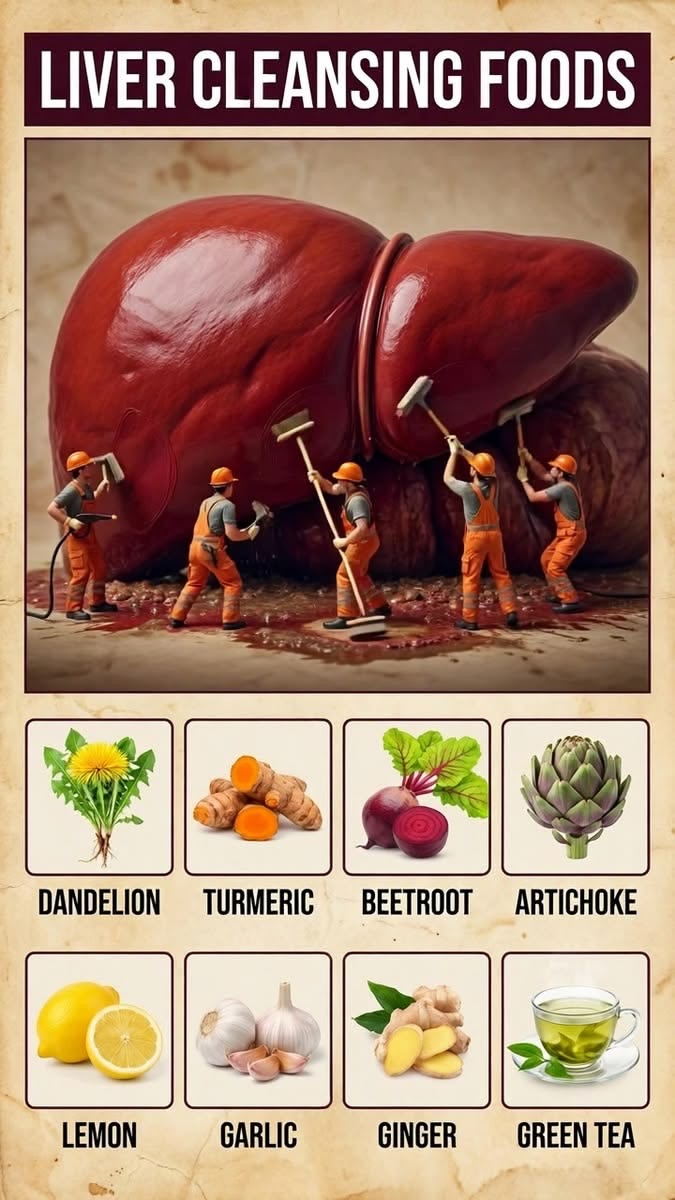
Here are some foods that can help you take good care of your liver:


1. Apples


Apples are rich in pectin and other enzymes that are necessary to cleanse the system and release toxins from the digestive tract. Thus, they help the liver in handling the toxic overload during the cleansing process.


2. Avocados


Avocados are superfoods that are rich in nutrients. They help the body to produce a compound called glutathione that helps the liver in cleansing harmful toxins.


3. Green Tea


Green tea is rich in antioxidants. It contains catechins, which facilitate the proper functioning of the liver.


4. Carrots And Beetroots


Both carrots and beetroots are rich in flavonoids and beta-carotene. And thus, eating them can stimulate and improve the overall functioning of the liver.


5. Garlic


This pungent-smelling white bulb has the ability to activate the enzymes in the liver that flush out toxins from the body. They also contain selenium and allicin, and both these compounds help in cleansing the liver.


6. Green Leafy Vegetables


All green leafy vegetables, including spinach, bitter gourd, and dandelion greens (whether eaten raw or cooked) are rich in plant chlorophylls that suck up the environmental toxins from the bloodstream. They also have the ability to neutralize the effects of chemicals and pesticides in the body and thereby act as a protective mechanism for our liver.


7. Lemons


These citrus fruits are rich in vitamin C, which helps the body to synthesize the toxic materials into substances that are easily absorbed by water. Thus, it is recommended to have a glass of lemon juice in the morning as it is very helpful in stimulating the liver.


8. Walnuts


Walnuts contain a high amount of the amino acid arginine that helps in detoxifying ammonia from the liver. They also contain omega-3 fatty acids that facilitate the normal cleansing process of the liver. When you eat walnuts, make sure you chew them properly and then swallow. 


9. Olive Oil


Olive oil and other cold-compressed organic oils, such as hemp oil, are really good for the liver. They help in providing a lipid base to the liver that can suck up all the toxins and wastes from the body. This takes some burden off the liver. 


10. Turmeric 


You can consider it as the favorite spice of the liver as it helps boost liver detoxification by assisting the enzymes to flush out toxins. 


11. Grapefruit 


Grapefruits are also rich in antioxidants and vitamin C that aid the natural cleansing process of the liver. A small glass of freshly squeezed grapefruit juice is enough to boost the production of the detoxification enzymes in the liver.


Now that you know how to take care of your liver, check for the symptoms mentioned above and start taking precautions from today. It is also suggested to consult a doctor if you feel that medication is required.


We hope you enjoyed reading the article. Share your views in the comments section below.


Daily Calorie Burn Breakdown

Understanding Daily Calorie Expenditure: Why Exercise Is Only a Small Part of Fat Loss

By Coach Noel – HaveFunKeepFit 


When people start a fitness journey, the most common belief is that exercise is the main factor in losing weight. While training is important for health, strength, and performance, it actually represents only a small percentage of the calories your body burns each day. To understand fat loss correctly, we must first understand how Total Daily Energy Expenditure (TDEE) works.


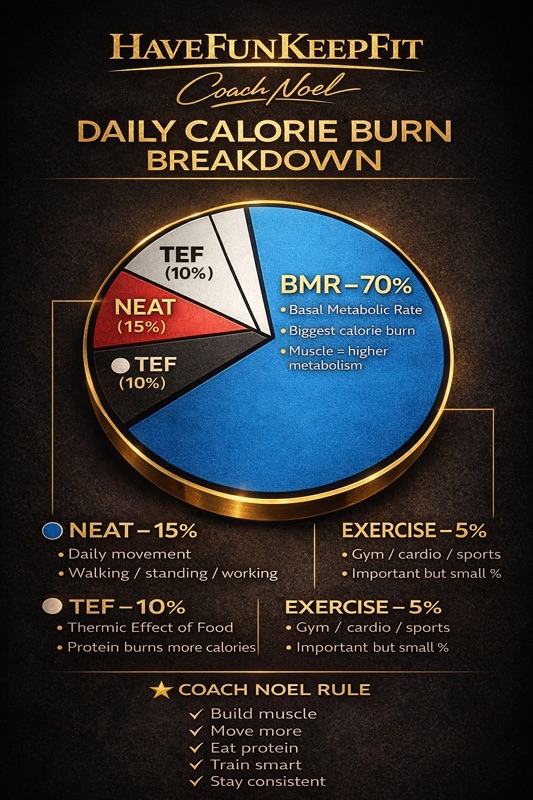
Total Daily Energy Expenditure is the total number of calories your body uses in one day. It is divided into four main components: Basal Metabolic Rate (BMR), Non-Exercise Activity Thermogenesis (NEAT), Thermic Effect of Food (TEF), and Exercise Activity.


The largest part of daily calorie burn comes from Basal Metabolic Rate, which accounts for approximately 60–70% of total energy expenditure. BMR refers to the calories your body needs to maintain basic life functions such as breathing, blood circulation, brain activity, hormone regulation, and organ function. This means that even at complete rest, your body is constantly burning energy to stay alive. One of the most important factors affecting BMR is muscle mass. Individuals with more lean muscle tissue burn more calories at rest, which is why resistance training plays a critical role in long-term fat loss.


The second component is Non-Exercise Activity Thermogenesis, commonly known as NEAT. This represents around 10–20% of daily calorie expenditure and includes all physical activity outside of structured exercise. Walking, standing, cleaning, working, coaching, and general movement throughout the day all contribute to NEAT. Research shows that people with higher daily movement levels burn significantly more calories even without additional workouts. Increasing NEAT is one of the most effective and sustainable ways to improve fat loss without excessive training.


The third component is the Thermic Effect of Food (TEF), which accounts for approximately 10% of daily calorie burn. TEF refers to the energy required to digest, absorb, and process the food you eat. Different macronutrients require different amounts of energy to digest. Protein has the highest thermic effect, meaning the body burns more calories processing protein compared to carbohydrates and fats. This is one reason high-protein diets are recommended for fat loss, muscle preservation, and metabolic health.


The final component is Exercise Activity, which typically represents only about 5% of total daily calorie expenditure for most people. This includes gym workouts, cardio sessions, sports, and structured training programs. While exercise is essential for building muscle, improving cardiovascular health, and enhancing physical performance, it is not the primary driver of fat loss. Many individuals overestimate how many calories they burn during workouts and underestimate the importance of daily habits, nutrition, and muscle mass.


For effective and sustainable fat loss, the focus should not be only on exercise. A successful fitness program should aim to increase muscle mass to raise BMR, maintain high daily activity to improve NEAT, consume enough protein to maximize TEF, and use exercise as a tool for strength, conditioning, and long-term health.


This approach is the foundation of the HaveFunKeepFit Coaching System, where the goal is not only weight loss, but also strength, longevity, metabolic health, and consistency. Understanding how your body truly burns calories allows you to train smarter, eat better, and achieve results that last.


— Coach Noel / HaveFunKeepFit 

Fat Loss • Strength • Health • Longevity


#HaveFunKeepFit

#CoachNoel

#FitnessEducation

#FatLossScience

#Metabolism

#StrengthTraining

#PersonalTraining

#FitnessCoach

#HealthAndFitness

#WeightLossGuide

#FitnessArticle

#GymEducation

#OnlineCoaching

#FitLifestyle

#LongevityFitness


@HaveFunKeepFit

@CoachNoel

@HaveFunKeepFitCoaching

@CoachNoelFitness

@HaveFunKeepFitOfficial

@CoachNoelTraining

Copyright

NoelGRSr 2016