Showing posts with label Skin Care. Show all posts

Difference Between Pressure Ulcer and Diabetic Ulcer

A diabetic ulcer is a sore that develops on the foot of a person with diabetes. A pressure ulcer is a sore that develops on a part of the body where there is a bony projection pressing against a firm surface.

Difference Between Pressure Ulcer and Diabetic Ulcer

 A diabetic ulcer is a sore that usually forms on the foot of a person who has diabetes, and which can become gangrenous leading to amputation of the limb.

The main symptom is the presence of a sore that is painful when touched. The sore also often has a discharge that can be foul- smelling. The sore on the foot often ulcerates and becomes infected, which can cause the foot to swell and become red in color. The infection can also cause you to have a fever if it is very bad.

A diabetic foot ulcer can become gangrenous and this infection can spread leading to amputation of the foot or even the leg. In extreme cases, a person can die from bacteremia (bacteria in the bloodstream) leading to septic shock and even death.
Diagnosis:

Diagnosis is by physical examination in which the integrity of the skin is checked and the entire foot, including your toes and toenails, are carefully examined for signs of injury or blistering of the skin. Doctors may also test the level of blood flow by measuring blood pressure in the arteries of the leg and foot using a Doppler probe. This can indicate if there are blood vessel problems that could be causing an ulcer to develop, or increase the likelihood of such a problem occurring.
Risk factors:

Having poorly controlled diabetes leading to diabetic neuropathy (damaged nerves) is the main risk factor for diabetic ulcers. High blood sugar levels damage the nerves and so you do not feel when you have a sore on your foot. Another risk factor is not being careful and checking your feet often, especially if you have bought new shoes which could give you a blister or callus which could become an ulcer. Peripheral artery disease in patients with diabetes is another risk factor resulting in compromised blood flow.

Treatment:

The ulcer often needs to be washed and any dead tissue removed in a process called debridement. Antibiotics may need to be given to stop any infection. Antibiotics such as clindamycin or penicillin or cephalexin may be used. Wearing special footwear can also help to prevent ulcers from becoming worse or to prevent further ulceration. Where blood vessels are blocked due to arterial disease, vascular surgery may be needed.


Difference Between Pressure Ulcer and Diabetic Ulcer

Pressure Ulcer
 
A pressure ulcer is also known as a decubitus ulcer and is a region of tissue that has become damaged and necrotic (dying). It most often happens where skin over bone is pressed against a hard surface for an extended time period.
Symptoms:

The area where the ulcer starts to develop first appears reddish and may feel warm or different from normal in some way. The skin then starts to blister and eventually the skin erodes away down into the subcutaneous layer and in extreme cases, down to the bone.
Complications:

Left untreated a pressure ulcer can result in osteomyelitis in which the bone becomes infected. Cellulitis is also a complication that can lead to bacteria in the bloodstream, which can even result in sepsis and death.

The diagnosis is based on a physical exam and the degree of the ulcer is staged according to how far it has developed, with stage 1 being the least severe and stage 4 being the most severe. Photos may be taken to track the progress of the wound.
 
Risk factors:

Risk factors for pressure ulcers include being older than 65, having a compromised circulatory system and being mainly immobile. Being bedridden for whatever reason is a very big risk factor for developing decubitus ulcers.
 
Treatment:

Treatment includes reducing pressure on the area by changing the position of the patient when they are bedridden or using some type of support such as pillows or other padding. Bedridden patients do need to be turned often because of the risk of pressure ulcers. The ulcers need to be cleaned with antiseptics and water, and any dead tissue needs to be removed. Wounds need to be bandaged and antibiotic ointments can be applied. In some cases, an antibiotic given internally may be needed. Ointments that contain polymyxin B, metronidazole or mupirocin can be used.


Difference between Diabetic ulcer and Pressure ulcer?

Definition

A diabetic ulcer is a sore that develops on the foot of a person with diabetes. A pressure ulcer is a sore that develops where bony projections are pushed against firm surfaces and occurs in bedridden or immobile patients.

Part of the body affected

A diabetic ulcer affects the feet. A pressure ulcer affects bony areas of the body like the hips.

Symptoms

The symptoms of a diabetic ulcer are a sore on the foot which often has a bad-smelling discharge and may be painful if touched, and the foot may swell. Symptoms of a pressure ulcer are a painful sore, blistered, red and swollen skin and ulceration.
 
Diagnosis

A diabetic ulcer is diagnosed by physical exam and Doppler flow of blood. A pressure ulcer is diagnosed by physical exam.
Risk factors

The risk factors for a diabetic ulcer include having diabetes with badly controlled blood sugar levels and having arterial disease. The risk factors for pressure ulcers are being elderly (over 65) and being largely immobile or bedridden.
Treatment

Diabetic ulcers are treated with antibiotics and removing dead tissue, and by controlling blood sugar levels and wearing the correct footwear. Pressure sores are treated by providing support and padding, moving the person often, using antibiotics and removing dead tissue.
Table Comparing Diabetic Ulcer and Pressure Ulcer


Summary of Diabetic Ulcer Vs. Pressure UlcerBoth diabetic and pressure ulcers are sores that if left untreated can lead to bacteremia, sepsis, and death.
Diabetic ulcers occur on the feet of the patient.
Pressure ulcers occur on the parts of the body where there are bony projections.
In both types of ulcers, wounds need to be cleaned, dead tissue removed and often antibiotics given.

  
Sharing is caring...

Top 15 Beauty Tips That Can Make Any Girl Breathe a Sigh of Excitement

 15 Beauty Tips That Can Make Any Girl Breathe a Sigh of Excitement

Most women of the world worry about their appearance and always want to look perfect. The beauty industry is evolving rapidly but most products are expensive and, most of the time, cosmetic procedures turn out to cost an arm and a leg. The good news is that we can always replace them with budget lifehacks that are often more effective than pricey cosmetic items and salon procedures.


FISH OIL BENEFITS AND WHAT FISH OIL IS GOOD FOR

Fish is one of those things that you can get from actually eating fish or taking as a supplement. It’s a very popular supplement as well.

This should come as no surprise because of how healthy fish oil actually is for you.

If you don’t know how healthy fish oil actually is, be ready to take some notes. You’re going to see a ton of fish oil benefits that can all be applied to you.

The types of fish that are especially abundant in fish oil, or omega-3 fatty acids, are mackerel, herring, tuna, salmon, and cod liver.

FISH OIL BENEFITS


Having fish oil is going to be highly beneficial for your health. It’s not something that you need, but it’s something that can take your health from being mediocre to healthy with very little problems.

It’s recommended by the World Health Organization that you have around 2 portions of fish per week so that you can reap the benefits of fish oil.

When we talk about the benefits of fish oil, we are also talking about the benefits of fish oil pills.

What’s fish oil good for? What are fish oil pills good for? How can they help you?

Below are 15 fish oil benefits that you should be aware of. All of these benefits can be utilized just by taking a simple supplement or eating a fatty fish.
 
Improve Eye Health

The retina of your eye has an omega-3, DHA, that is a huge component when it comes to the actual structure of your retina.

If you don’t have enough DHA, you could start to experience some vision problems.

When you consume enough fish oil, you’ll start to reduce your risk of macular degeneration. Macular degeneration is the leading cause of permanent eye damage and blindness.

Nobody wants to go through life struggling with their vision when they don’t have to. Consuming fish oil is going to help give you a much better shot at maintaining good eyesight for life.

Taking omega-3 supplements daily will help you a ton. If you aren’t the type to enjoy fish all the time then this might be the best way for you to go about things.

Aids in Weight Loss

Obesity is a problem that is very apparent in America. It’s one of the biggest problems people in this country face.

Overall, we are as unhealthy as a nation can probably be.

Omega-3 fish oil can help with this. You aren’t going to need to worry as much about your weight.

The reason fish oil helps so much with weight loss is that it improves your body composition which can improve your heart health, thus lowering your risk of heart disease.

Having your fish oil with a nice, balanced, healthy diet is going to give you the best chance at reaching a healthy weight. If that’s something you want to do.

Promotes Healthy Skin


If you didn’t know, your skin is actually considered to be an organ. It’s actually the largest organ in your body.

Knowing this now should make you want to take better care of your skin. If that’s something you’ve neglected up to now, you need to start considering changing something.

As you start to age, your skin health can start to greatly decline. Taking a fish oil supplement can greatly slow down the decline of your skin health.

If you are somebody that needs even more help with their skin, you should consider adding something like goji berries to your diet on top of any fish oil supplements you may be taking.
Slows Brain Decline

As most people age, we know that our brain is going to slowly get worse as well. It’s just a part of life that happens to a majority of people.

For some people, something like Alzheimer’s is a serious concern. Alzheimer’s is going to rapidly increase the decline of your brain.

If you want to slow down this process and possibly prevent yourself from ever getting Alzheimer’s, you should start incorporating more fish oil into your diet immediately.

This doesn’t mean that you have no risk of developing Alzheimer’s, but having fish oil daily can greatly improve your chances of fighting off Alzheimer’s for as long as possible.
Improves Symptoms of Asthma

Asthma is something that’s absolutely a struggle to deal with for a lot of people. It’s much worse for people that are younger. However, there are adults that suffer from it relatively bad too.

If your child suffers from asthma, it could be a good idea to start feeding them fish oil. It doesn’t have to be high doses of fish oil, but the more they can get, the better off they will be when it comes to their asthma.

Fish oil has been known to reduce the risk of asthma by about 25%.

This should be eye-opening enough to prove that fish oil will help you. This is one of those fish oil benefits that should take a priority in your life if you care about your health and your child’s health.

Improves Sleep


If you say that you don’t like sleep then you’re a liar. Everyone loves getting their sleep.

Some of us struggle a little more than others when it comes to sleep, but it’s something we all need.

Getting adequate sleep is going to help you stay healthy. A lot of problems start to arise when you get less and less sleep.

Having low levels of omega-3 oils is associated with having sleep problems. This is going to significantly obscure your sleep.

Having low levels of DHA, mentioned a little earlier, is also associated with having lower levels of melatonin being produced by your body.

Consuming fish oil is going to raise your DHA levels, thus helping your body produce the melatonin it needs to get an adequate amount of sleep on a nightly basis.

Helps Fight Depression

Having depression puts you in a category of people that have one of the most common mental disorders in the world.

There have been studies done that have shown taking something like fish oil pills will help symptoms of depression dissipate.

This doesn’t mean that you will be completely cured of depression, but anything that can help fight the symptoms and make you feel better is a plus.

Reduces Liver Fat

Having non-alcoholic fatty liver disease can be extremely detrimental to your health.

Your weight has a lot to do with this. If you don’t have your weight under control, you are much more likely to develop non-alcoholic fatty liver disease.

When you start consuming fish oil, you have a better chance of reducing liver fat. This is going to lead to a healthier liver. Not only is this going to happen, but the fish oil is also going to act as an anti-inflammatory for your liver.

Can Help Prevent Cancer

Cancer seems to be something that’s becoming much more prevalent in today’s world.

Having fish oil in any form, whether it be fish oil pills or other types of omega-3 supplements has been shown to reduce your risk of certain cancers.

Namely, for men, your chances of prostate cancer are reduced and for women, your chances of breast cancer are reduced.

There is no certainty that fish oil will prevent you from getting cancer, but there is evidence that shows how much it actually helps when it comes to having cancer.

Improves Attention

Attention deficit hyperactivity disorder (ADHD) is something that more and more kids are being diagnosed with. Luckily, fish oil can help with this.

Having a daily dose of fish oil can help all kids that have ADHD. Taking any supplements have been shown to reduce the symptoms of ADHD.

Fish oil is going to decrease hyperactivity, restlessness, and aggression. All of these are signs in children that have ADHD.

Improves Bone Health

For people that are really starting to age, they may start to experience much more bone and joint pain. This is just something that happens to people when they get older.

Fish oil can boost the calcium that you have in your bones. This is automatically going to help improve your bone health. You won’t feel as though your bones are weak.

You may not feel like you’re 18 again but you won’t actually feel your age.

Helps During Pregnancy

For women that are newly pregnant, fish oil can greatly help with the development of your child while it’s in the womb.

If you get enough fish oil during your pregnancy, you’re going to experience numerous health benefits for your child once they are born and start to grow up.

These benefits include, better communication skills, decerased developmental delay, and higher intelligence.

Reduces Inflammation

If you’ve ever experienced a significant amount of inflammation then you know exactly how painful it could actually be.

Anything that can reduce the inflammation you’re experiencing is going to be a huge relief.

Fish oil can help reduce molecules that cause inflammation. This is going to lead to less pain and inflammation in your immediate future which is something that’s always a positive.
 
Fights Autoimmune Diseases

If you have an autoimmune disease, your body is attacking the healthy cells that are supposed to be helping you.

There have been studies that show how fish oil during your early years of life can help significantly reduce your risk of autoimmune diseases in your future.

For example, type 1 diabetes is something that fish oil can help with. Your body will tend to attack cells that are producing the insulin your body needs. Fish oil is going to help your body manage this much better.

Improves Heart Health


Everyone not only wants to have a healthy heart, but you need to have a healthy heart if you want to live a longer life. Nobody wants to go through life worrying about whether or not they have to live to experience a couple of heart attacks or not.

Fish oil can help improve your overall heart health.

For example, fish oil is going to help your body when it comes to blood clots. This means that your arteries are going to be much smoother than usual. This also means that your blood pressure is going to be more regulated.

On top of all this, fish oil can raise your good cholesterol levels.

SOMETHING SMELLS FISHY

Consume fish oil whenever you feel like you need it. The side effects of fish oil are very minimal so you don’t really have to worry about an exact number of grams of fish oil that you need to consume on a daily basis.

Get your fish oil through supplements or eating fish itself. This is going to greatly help your body in the present and future.

Be ready for a healthier you after you incorporate fish oil the way you should in your life.


The natural home remedy for cellulite requires only one simple ingredient


This persistent subcutaneous fat usually appears on thighs, hips, and breasts of women. A skin with cellulite resembles an orange peel or a cottage cheese. Not so attractive, right?


Usually, cellulite appears as a result of genetics, or unhealthy lifestyle. Here we present you a simple way to eliminate your cellulite once and for all.

The natural home remedy for cellulite we present requires only one simple ingredient that most of you probably have it in the kitchen right now. We are talking about apple cider vinegar. This common ingredient is a powerful remedy against cellulite.


Share...

Top 9 Effective Natural Home Remedies To Remove Stretch Marks

Stretch marks are not only associated with pregnancy as it is commonly done, it can happen in any part of the body especially those areas where the skin is stretched due to physical changes. It can happen on your outer thighs, lower abdomen, buttocks, calf, arms etc. If there has been some major gain or loss of weight, it is a common thing for stretch marks to appear. These have no side effects but appear unattractive. They are usually long and thin and occur on the surface of your skin. When the lines turn to a silvery white colour, it is an indication that it is fading away.


There are several cosmetic cures to get rid of these stretch marks, but these are usually associated with a lot of side effects making them a costly and risky affair. However, it is possible to remove the marks with natural home remedies completely at home and without any medical interference. It is time taking, but the efforts are worth it and they cause no side effects.

How To Get Rid Of Stretch Marks Fast With Natural Home Remedies:

Here are some best home remedies for stretch marks which will show positive results when applied consistently for a period of time. It can be done with some simple things we usually find in our kitchen.

1. Aloe Vera Gel:

Aloe Vera is well known for clearing any kinds of marks and patches from the body and is a safe and natural way to cure the stretch marks. It also makes the skin soft and glowing. This natural stretch mark removal technique has been in use for a long time.

How to Use:

Take an Aloe Vera stem and cut into small cubesStore in an airtight jar and put in the refrigeratorTake one cube and rub in circular motions from the gel portion on the stretch marks every dayLeave on for an hour before the showerApply daily, and for those marks that have been there for a long time, twice a day.

Alternatively, several brands have launched Aloe Vera gels that can be used in case fresh Aloe Vera is not available. But fresh stem should always be the first choice for treatment. The refrigerated aloe cubes can be used up to one week making it a less tedious task.

2. Vitamin E Capsules:

Our skin texture is highly dependent on the Vitamin E level in our body. Sometimes, a few areas get patchy and dull due to several reasons, in that case, application of Vitamin E Oil helps. This is one home remedy for pregnancy stretch marks.

How to Use:

Take one Vitamin E Oil capsule. Pierce and pour the contents on your palmMassage the stretch marks with the oil for about 15- 20 minutesWhen applying at night, it is suggested that the oil be left overnightHowever, if there is a shortage of time, leave it on for at least 2-3 hours before thorough shower

There are several varieties of Vitamin E Capsules available in the market, so enquire thoroughly before buying. While this can be a natural home remedy for stretch mark, avoids its use if you experience any itchiness or burning sensation with its use.

3. Lemon Juice:

With high contents of Vitamin C, lemon is also used for its bleaching property. Application of lemon on the skin reduces oiliness and brings inner glow.

How to Use:

Cut the lemon in half and take a portionNow in gentle circular motions, rub the juice on the stretch marksSqueeze gradually and rub when the juice gets absorbed on the skinLeave on for 45 minutes then wipe off with a moist towel or take a shower

Initially, lemon juice might cause a little itching sensation which is a sign of effective reaction on the skin, however, if it goes beyond tolerance, rub off immediately. After washing, see how the skin appears, check for rashes or redness, in case of any such reaction try on some other method. Do not apply on chapped or over dry skin.

4. Egg Whites:

Egg whites are an excellent source of proteins and amino acids which help in skin brightening and whitening. It is effective for removal of any kinds of marks from our skin when used regularly.

How to Use:

Take the white portion of eggs and mix thoroughlyDampen the area which needs to be treated by cleaning with waterApply a thick layer of the egg whiteLeave it on till the whites dryClean with cold water and moisturize with olive oil or any oil that suitsApply every day for minimum 4 weeks for effective results.

Make sure to use an only white portion of the eggs to treat the stretch marks of any kind. If the whites stick to the skin after drying, dab with water before removing. Do not pull from the skin.

5. Sugar:

Normal white sugar granules make excellent exfoliates. As the marks grow older, they become rough and dry. Removing the dry and dead skin from the marks also lightens the stretch marks.

How to Use:

In a small bowl take a teaspoonful of sugarAdd a few drops of lemon juice and almond oil and mix wellApply the paste on the affected area and leave for 5 minutesGently scrub in a circular motion for 5-10 minutesWash with warm water and moisturize with olive oil or almond oil

Regular exfoliation brings an inner glow to the skin. While using the mask, make sure not to rub too much causing harm to the skin. Use of lemon might cause minor itchiness when the mask is applied indicating positive effects of the mask.

6. Cocoa Butter Massage:

Cocoa Butter increases the tensile strength of the skin and has healing properties. Massaging cocoa butter on stretch marks regularly will help in decreasing pigmentation and keep the skin moisturised for better healing.

How to Use:

In a small bowl, mix cocoa butter and 5-6 drops of jojoba oilApply on the stretch marks and leave for five minutesThen massage in circular motions till it gets absorbed in the skinClean with a damp towel or leave overnight

Massaging twice a day initially will help in quick healing. In case jojoba oil is not available, plain cocoa butter can be used. Cocoa butter has antioxidants and anti-aging properties which makes it usable for more than one reason. Try this home remedy for stretch marks.

7. Castor Oil:

Castor Oil heals most of the skin and hair related problems and can be used here as well. Its richness in Omega 6 and 9 fatty acids, minerals, proteins and Vitamin E makes it an excellent healing agent for skin issues. This acts as the best home remedy for stretch marks during pregnancy.

How to Use:

Apply a thick layer of castor oil on the stretch marks areaCover with a soft clothUsing heating methods like hot bags or heating pad, apply heat on the area for half an hourRemove and massage the area for 5-7 minutes

Doing this daily will help reduce the marks in 45 days and will eventually disappear. Castor oil is also used to remove fine lines and wrinkles to make the skin youthful.

8. Potato Juice:

Potato juice hydrates the skin and helps it heal from inside permanently. To reduce the un-appealing stretch marks, application of potato juice should be done daily to clear out in no time.

How to Use:

Take a medium sized raw potato and grate with the thinnest bladePress between the palms to extract its juice in a bowlAdd a teaspoon lemon juice (optional) and mixTake a cotton ball and apply the juice thoroughly on the marksOnce the juice gets absorbed, apply another layer of juice and let it dryYou need to have at least 4-5 such layers to ensure deep penetration of the juicesWipe with a damp warm cloth and leave

If there is dryness post cleaning, use any moisturiser or oil to seal the juices. If your skin is extremely dry, use a few drops of any oil in the juice to keep the skin moisturised.

See More: Olive Oil For Stretch Marks

9. Honey And Olive Oil:

While honey will lighten and brighten the skin, olive oil deeply moisturises it. The combination is an excellent one to heal any skin problems. It can also heal dark and patchy skin.

How to Use:

In a small bowl, mix 2-3 teaspoons of olive oil with ½ teaspoon honey.Mix thoroughly to have a smooth textureNow clean the marks with warm water and pat dryApply the honey mix and leave for 45 minutesClean up with cold water

Using this regularly will remove stretch marks completely and prevent them from re-appearing. If the marks have been there for a long-long time, mix 5-6 drops of lemon juice.

While trying these methods it is important to understand that the marks take time to heal and the duration for a complete cure will vary from person to person and the type of mark too. Since these use natural products and have no side effects, you can also try more than one method and stick to it to get rid of the marks at the earliest. Remember that natural remedies for stretch marks do not come with many complication.


Share...

How to Get Rid of Stretch Marks Fast

  
Stretch marks are visible lines on the skin surface, with an off-color hue. Stretch marks are mainly found in the abdominal wall, but can also occur over the thighs, upper arms, buttocks, and breasts.
Sometimes stretch marks can cover large areas of the body. While pregnancy is the main cause behind stretch marks, other reasons can be sudden gain or loss in weightrapid growthheredity factorsstress and changes in physical conditions.
Stretch-marks
 
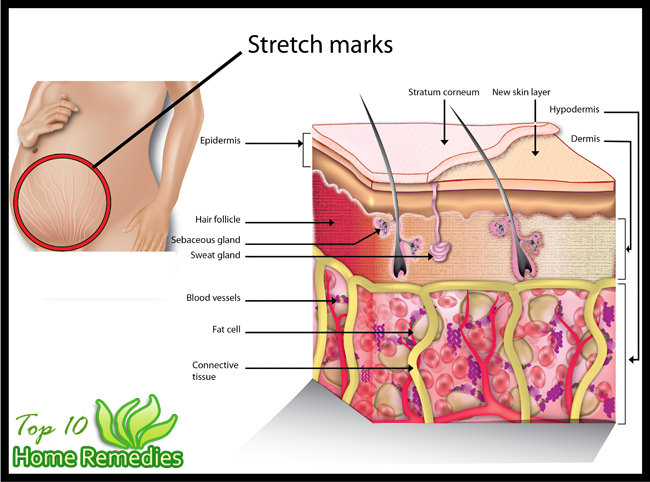
The skin consists of three main layers: Epidermis (the outer layer), the Dermis (the middle layer) and Subcutaneous or Hypodermic (the deepest layer). Stretch marks form in the dermis or middle layer of the skin when the connective tissue is “stretched” beyond the power of its flexibility due to rapid expansion or contraction of the skin.
As skin is stretched, the collagen is weakened and its normal production cycle is interrupted and damaged. This ultimately results in fine scars under the top layer of the skin. Initially, the marks look pink or red, but over time a thin, silvery line appears on the skin surface and a stretch mark is born.
Stretch marks appear on the skin surface when someone grows quickly or puts on weight quickly.
Stretch marks can make you feel self-conscious and uncomfortable about your appearance. Fortunately, there are several natural ways to reduce the appearance of stretch marks.
 1. Castor Oil
Castor oil, which is used in the treatment of a number of skin problems such as wrinkles, age spots, moles, dark spots, fine lines, and pimples, can also be used to get rid of stretch marks.
Castor Oil for Stretch Marks
Apply Castor Oil to Remove Stretch Marks
  1. Apply some castor oil to the stretch marks and gently massage the area in circular motions for 5 to 10 minutes.
  2. Wrap the area with a thin, cotton cloth. Using a hot water bottle or a heating pad, apply some heat to the affected area for at least a half an hour.
  3. Repeat this process daily for a minimum of one month to notice positive results.

2. Aloe Vera

Aloe vera is effective in the treatment of many skin problems. Its healing and soothing properties can be used to get rid of stretch marks. There are a couple of ways to apply it.

Aloe Vera Home Remedy to Get Rid of Stretch Marks
  • You can directly rub aloe vera gel on the affected skin area, leave it on for 15 minutes and then rinse the skin with lukewarm water.
  • Another option is to make a mixture with one-fourth cup of aloe vera gel, oil from 10 vitamin E capsules and oil from five vitamins A capsules. Rub this mixture onto the skin until fully absorbed. Repeat this process daily.

3. Egg Whites

Eggs are a rich source of protein. For stretch marks, you want to use only the egg whites, which contain amino acids and proteins.
  1. Whip the whites of two eggs gently with a fork. Clean the affected skin area with water and then apply a thick layer of egg whites with a makeup brush.
  2. Allow the egg whites to dry completely and then rinse the area with cold water.
  3. Finally, apply some olive oil on the skin to keep it moisturized.
  4. Repeat the process daily for at least two weeks and watch for positive results.

4. Lemon Juice

Another simple way to lessen stretch marks is to use lemon juice. Lemon juice is naturally acidic which helps heal and reduce stretch marks, acne, and other scars.
  • Rub fresh lemon juice gently onto the stretch marks using circular motions. Allow the lemon juice to soak into your skin for at least 10 minutes before rinsing it off with warm water.
  • Another option is to mix equal quantities of cucumber juice and lemon juice and apply the mixture on the stretch marks.

5. Sugar


Natural white sugar is one of the best natural remedies to get rid of stretch marks. You can use the sugar to exfoliate your skin.
  1. Mix a tablespoon of raw sugar with some almond oil and a few drops of lemon juice. Mix it well and apply it on the stretch marks and other skin areas.
  2. Gently rub the mixture on the skin for a few minutes every day before taking a shower.
  3. Do this for a month or so and watch your stretch marks become lighter.

6. Potato Juice

Potato juice contains vitamins and minerals that foster growth and restoration of skin cells.
  1. Cut a medium-sized potato into thick slices.
  2. Take one of the potato pieces and rub it gently on the stretch marks for a few minutes. Make sure the starch from the potato covers the affected area.
  3. Allow the potato juice to dry for some time and then wash it off with lukewarm water.

7. Alfalfa

alfalfa leaves
Alfalfa leaves contain eight essential amino acids which are good for the overall health of the skin. They are also rich in protein and vitamins E and K, which help nourish the skin.
  1. Mix some alfalfa power with a few drops of chamomile oil to form a smooth paste.
  2. Massage the paste into the affected area two to three times a day.
  3. Repeat this daily for a few weeks and you will notice a great improvement.

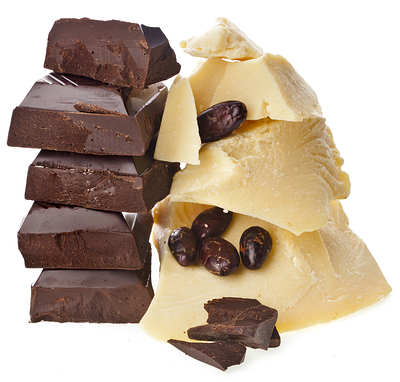
8. Cocoa Butter

cocoa butter
Cocoa butter is also very beneficial in treating stretch marks. Being an excellent natural moisturizer, it helps nourish your skin and reduce the appearance of stretch marks.
  • You must apply cocoa butter over the affected area at least two times a day for a few months.
  • Another option is to make a mixture using half a cup of cocoa butter, one tablespoon of wheat germ oil, two teaspoons of grated beeswax and one teaspoon each of apricot kernel oil and vitamin E oil. Heat this mixture until the beeswax melts. You can store the mixture in an airtight container in the refrigerator and apply it to your stretch marks two to three times a day. This mixture will make your skin more hydrated and smooth.

9. Olive Oil

olive oil
Olive oil contains a lot of nutrients and antioxidants that help improve various skin problems including stretch marks.
  1. Massage slightly warm extra-virgin olive oil into the affected skin area. This will improve the blood circulation and reduce the stretch marks to a great extent.
  2. Leave it for half an hour so that the vitamins A, D and E present in the oil are absorbed by the skin.
You can also mix olive oil with vinegar and water and use it as a night cream. This will keep your skin stay moisturized and also exfoliate the skin.

10. Water

water
Keeping your body well hydrated helps protect the skin from many kinds of problems and also aids in detoxification. It also helps keep the skin supple and restores elasticity.
Try to drink one to two glasses of water several times during a day. Experts say drinking 8 to 10 glasses of water per day is the best way to keep the body hydrated.
It will also make your skin soft and help maintain its elasticity. It is advisable to avoid coffee, tea or soda though.
These natural remedies can help stretch marks fade, but they may not completely remove them. You can always see your doctor if you are greatly concerned about the appearance of stretch marks on your skin.

Source: Top 10 Home Remedies

TOP 6 YEAST INFECTION SYMPTOMS IN WOMEN THAT SHOULDN’T BE IGNORED

If you think you may have a yeast infection, getting tested is as simple as a 15-minute visit to the doctor’s office. They swab your vagina and look at the discharge under a microscope; you’ll know before you leave whether or not it’s a yeast infection.


1. YOU FIND COTTAGE CHEESE IN YOUR UNDIES

The most telltale sign of a yeast infection is thick, white, odor-free vaginal discharge, which is often described as looking like cottage cheese. It may or may not be accompanied by watery discharge as well. Sounds confusing? This is why it’s so important to know what’s normal for you and your vag. Some women naturally have more vaginal fluids than others so if yours changes suddenly — in color, amount, or odor — it’s time to get it checked out.

2. THE URGE TO SCRATCH YOURSELF (IN PUBLIC!) IS UNBEARABLE

We’re not talking about scratching your head here. If you’ve got a yeast infection, it will be hard to resist sneaking a scratch down there, as your labia will likely feel super itchy.

Don’t do it. Even if you do manage to sneak in a good crotch scratch, it likely won’t satisfy the urge for long and can further irritate your already tender privates.

3. S3X IS MAKING YOU HOT… IN ALL THE WRONG WAYS

A sexy romp should leave you feeling a little flushed afterward, but if you feel a painful heat in your vagina during sex, it could signal a bigger problem. A burning sensation during intercourse, or a constant burning feeling in your vaginal area at any time, is a telltale sign of a yeast infection. This symptom isn’t one you should ignore as it could also be a sign of an STI or bacterial infection, so call your doctor right away, she adds.

4. PEEING IS PROBLEMATIC

You’ve been potty trained since you were a toddler, but if you find yourself avoiding using the bathroom because it hurts to pee, you’ve likely got a much more adult problem. Pain during urination is one of the signs of not only yeast infections but also urinary tract infections and some sexually transmitted diseases. If this is your main symptom, get it checked by your doctor asap, she says.

5. YOUR LIPS ARE RED AND SWOLLEN

Not the lips on your face… If your outer labia and genitals look visibly red or swollen — even if you have no other symptoms — it can indicate a yeast infection.

6. YOU’RE ALL KINDS OF CRAMPY

Pain in your pelvis or lower abdomen is another symptom of a yeast infection. Pain from an infection won’t get better with rest, and will likely increase in intensity over time.

Some People Always Get Bitten By Mosquitoes While Others Do Not?

Have you ever felt like you are being specifically targeted by mosquitoes as you finish up with itchy welts all over your body, as your friends seem like they are not even aware of the pesky biters’ existence?

Well, it is not your imagination. Research has proven that mosquitoes DO have preferences when them comes to picking out the people they want to suck blood from. In a feature by WebMD, Jerry Butler, PhD, professor emeritus at the University of Florida posited that “one in ten people are highly attractive to mosquitoes”.


Here’s the thing mosquitoes do not suck blood for food. In fact, only female mosquitoes bite people because they need proteins from human blood to develop fertile eggs and create more mosquito babies. 85% of our likelihood to get bitten by mosquitoes is due to genetics.

You have a large body size

These have to do with your metabolic rate, or the amount of carbon dioxide (CO2) released by your body as them burns energy. Mosquitoes use carbon dioxide as their primary means of identifying targets and can actually sense CO2 from up to fifty meters away!
You are wearing red or dark-colored clothing

Apart from the smell, mosquitoes as well rely on sight to spot their prey. Red makes you a prime target, also as dark colors specified black and blue.
You’ve Type O blood

A few blood types are so sweeter than others, metaphorically speaking. A study found that people with Type O blood are 83% more likely to get bitten. People with Type A blood are least likely to become mosquito prey, while those with Type B blood are kind of in the middle. Additionally, 85 percent of people produce a secretion that signals their blood type, making them more visible prey for mosquitoes compared to the non-secretors, regardless of blood type.
Certain elements of your body chemistry are actually calling out to the mosquitoes

People who produce an excess amount of certain acids (e.g. lactic acid, uric acid) and/or have higher concentrations of steroids and cholesterol on their skin surface tend to attract mosquitoes. These doesn’t inevitably mean that mosquitoes prey on those with high cholesterol. Rather, these people naturally metabolize and process cholesterol faster than others, the byproducts of which remain on the skin’s surface.

You are pregnant

According to a study done in Africa, pregnant women are double as likely to attract mosquitoes compared to their non-pregnant peers because they give off a greater amount of carbon dioxide. In fact, a 2002 study found that women in the later stages of pregnancy exhale 21% more carbon dioxide than non-pregnant women, making it even more noticeable to the pests.
You have just had a beer or a glass of wine

Drinking alcohol as well raises your metabolic rate and your blood heat, making you very appealing to mosquitoes.

Grandma Told Me This Trick. It Healed My Cracked Heels In Just 1 Night


In this post, we will tell you how can you cure cracked heels super fast and in just a few days you heels will look beautiful again

Step 1 – Warm water treatment

You will need Lukewarm water
2 spoon baking soda
Pumice stone
2 spoon salt
In a tub take lukewarm water
Add baking soda and salt
Mix it
Soak your feet in this water for 15 minutes
After 15 minutes pat dry your feet and rub it gently with a pumice stone to remove the dead skin layer

Step 2 – Scrub

2 spoon oil
Sugar
In a bowl take 2 spoon oil and add 1 spoon sugar
Your scrub is ready
Rub your feet and heels gently with this for 5 minutes
Wash them with plain water

Step 3 – Moisturizer

You will need
Some candle
Oil
In a steep bowl take 2 spoon oil, add a small piece of candle
Put this in hot water so it will melt
Now let it cool, your foot cream is ready
Apply this cream all over your feet bottom, cover them with socks


Share if you really care...

How Remove Acne Pits And Scars, Get Smooth, Flawless Skin


3 Days Challenge


Depending on how deep your scars are, you may be able to smooth them out with natural remedies. Natural remedies might take time depending on severity but they work for sure and there is no side effects.

Step 1 – Scrubbing

You need

Sugar
Lemon
Rosewater

What to do:

In a bowl take 1 spoon crushed sugar
Add 1 spoon of rose water
Add juice of half lemon
Mix it well and your scrub is ready

Apply this scrub on your face and rub gently for 2 minutes. Leave it for 5 minutes and then wash it off

Step 2 – Toner

You need
Rosewater
Aloe vera gel
Vitamin E capsule

What to do:

Take 1/2 tablespoon aloe vera gel
Add 1 tablespoons of rose water
Add oil of 2 vitamin E capsules
Mix it well and your toner is ready
With the help of a cotton ball apply this toner all over your face
After application message, it in upward circular motion and leave it to dry
Wash it off after 10 minutes

Step 3 – Massage your face with an ice cube for 3-4 minutes

How often do this

2-3 times in a week


Share if you really care... 

Home Remedies To Remove Blackheads Permanently

Blackheads are small, reddish-brown or black bumps that are a result of clogged skin pores. Dead skin cells and oils accumulate in the opening of the skin follicles, producing a bump. If the skin over this bump opens, exposure to the air makes it look black, hence the name blackhead. Squeezing them out is not the best idea as it can lead to inflamed skin, and eventually, scarring.


Save Image: Shutterstock

We all hate blackheads and erasing them can be such a pain. Squeezing them out, getting a facial, using nose strips – it can all be so overwhelming! With the ever-increasing pollution and dust around us, the stress of a hectic lifestyle, and harmful chemicals in the products we use, blackheads are a common sight.

24 Simple Home Remedies To Remove Blackheads Permanently

Important Tip

When you are using any of the home remedies, especially the scrubs, it is important you be careful and not scrub your skin excessively. Doing this will only damage your skin, cause rashes and scars, or aggravate the blackheads and infect them.
Home Remedies For Blackheads

Here are some home remedies to get rid of blackheads. Do try these and you will see the results soon.


FACE PACKS

1. Egg White


Save Image: Shutterstock

This face mask can not only help prevent blackheads but also protect your skin from getting tremendously greasy. Egg white helps in removing the current blackheads and tightening pores. Albumin, a key ingredient present in egg whites, is mainly responsible for this pore-tightening property. This mask will also make your skin glow.

You Will Need
1 egg white
1 teaspoon honey

What You Have To Do

1. Mix the honey into the egg white and apply the mixture on your face.
2. Let it dry. Wash off with warm water.

How Often You Need To Do This

Repeat this once or twice a week.
Best Suited For

Oily skin, combination skin

2. Cinnamon


Save Image: Shutterstock

The antibacterial activity of lemon juice works really well to treat blackheads, whiteheads, and acne. Cinnamon improves the circulation of blood and keeps the skin healthy and glowing. It also tightens pores and delays aging.

You Will Need

1-2 tablespoons cinnamon powder
1-2 tablespoons lemon juice

What You Have To Do

1. Make a thick paste by mixing honey with cinnamon powder.
2. Apply it to your blackheads on the nose and other parts of the face.
3. Leave it on for 20 minutes and then rinse.
How Often You Need To Do This

Repeat this three to four times a week.
Best Suited For

Oily skin, combination skin, normal skin
Caution

Make sure you do a patch test before using spices on your face to prevent unwanted reactions.

3. Aloe Vera


Save Image: Shutterstock

Aloe vera soothes the skin, cleanses pores, and also controls excess oil production. All these, in turn, help you get rid of blackheads, acne, and many other skin issues (4).
You Will Need

Fresh aloe vera gel

What You Have To Do

1. Extract fresh gel from an aloe vera leaf and apply this to your face.
2. Leave it on for about 10 minutes and rinse with lukewarm water.
How Often You Need To Do This

Do this every day for a clearer and smoother skin.
Best Suited For

All skin types


4. Turmeric And Mint Juice


Save Image: Shutterstock

Turmeric is considered to be a great healing ingredient. Its key component, curcumin, is antimicrobial in nature and removes the bacteria present in the skin’s pores. Turmeric also has anti-inflammatory and antioxidant properties, which further improve the texture and health of your skin.  Mint juice soothes the skin and is very cooling.

You Will Need

1 tablespoon turmeric powder
2 tablespoons fresh mint juice

What You Have To Do

1. Mix the turmeric with the mint juice to form a paste.
2. Apply this paste on the affected areas and let it dry for 10-15 minutes.
3. Rinse with lukewarm water. Do not forget to moisturize the area.
How Often You Need To Do This

Repeat this once every week.
Best Suited For

All skin types

5. Fenugreek


Save Image: Shutterstock

Fenugreek is very beneficial for the body, be it through topical application or oral consumption. It consists of powerful antioxidants and has anti-inflammatory and emollient properties. It efficiently clears blackheads and whiteheads from your skin (7).
You Will Need
1 cup fresh fenugreek leaves
Water

What You Have To Do

1. Grind the fenugreek leaves with enough water to make a smooth paste.
2. Apply a thin layer of the paste on the affected areas and let it be.
3. Rinse after 10 minutes with lukewarm water.
4. Pat dry and apply moisturizer.

You can also use fenugreek seeds instead of the fresh leaves to make the paste.
How Often You Need To Do This

Use this face pack once or twice a week.
Best Suited For

All skin types

6. Tomatoes


Save Image: Shutterstock

Tomato has natural antibacterial properties that dry up blackheads (8). It also contains lycopene that exerts strong antioxidant effects on the skin and removes all the damage-causing free radicals (9).
You Will Need

A small tomato

What You Have To Do

1. Take the tomato, peel and mash it, and apply it over the blackheads before going to bed.
2. Leave it overnight and then wash it with clean water in the morning.

How Often You Need To Do This

Do this every night before going to bed.
Best Suited For

All skin types
Caution

Dilute the juice with equal parts of water if you have sensitive skin.

7. Clay Mask


Save Image: Shutterstock

Bentonite clay absorbs the impurities from your face and cleans your pores thoroughly, leaving behind the fresh and clean skin. It is also antibacterial in nature.  Its regular application will help get rid of blackheads from their roots.
You Will Need
1 tablespoon bentonite clay
Water

What You Have To Do

1. Mix enough water into the clay powder to make a paste of medium consistency.
2. Apply this all over your face to eliminate even those deeply embedded blackheads.
3. Let the mask dry for a couple of minutes.
4. Rinse it off with lukewarm water. Pat dry and moisturize as usual.

How Often You Need To Do This

Apply the mask once or twice a week.
Best Suited For

All skin types
Caution

If you have sensitive or dry skin, substitute water with raw milk.

8. Charcoal


Save Image: Shutterstock

Activated charcoal is regular charcoal that has been exposed to a gas in the lab to make it more porous. This increased porosity makes it absorb more amount of impurities from the surroundings and trap them inside. When this mask is applied on the face, the activated charcoal will absorb all the impurities and clear your blackheads very quickly.  The bentonite clay further enhances the ability of the mask to absorb impurities.
You Will Need
2 capsules of activated charcoal
½ teaspoon bentonite clay
Water

What You Have To Do

1. Carefully remove the activated charcoal from the capsules, add bentonite clay to it and mix well.
2. Add enough water to make a paste of medium consistency.
3. Apply this all over your face and let it dry.
4. Rinse with warm water. Moisturize as usual.

How Often You Need To Do This

It is advised to apply this pack twice a week.
Best Suited For

Oily skin, acne-prone skin

9. Green Tea


Save Image: Shutterstock

Green tea is rich in antioxidants that clear up your skin and make it healthy and glowing. It absorbs the impurities and clears blackheads quickly.
You Will Need
1 teaspoon dry green tea leaves
Water

What You Have To Do

1. Mix the tea leaves with water to make a paste.
2. Apply this paste on your face and leave it on for 15-20 minutes.
3. Rinse with lukewarm water, pat dry and moisturize.
How Often You Need To Do This

Repeat once every week or as required.
Best Suited For

All skin types


10. Strawberry


Save Image: Shutterstock

Strawberries can also remove blackheads. The alkalinity helps to reduce the swelling and cleanse the pores that are blocked. It is a natural exfoliant for the skin. This yummy fruit is also rich in vitamin C, which improves the skin’s dryness and moisturizes it.

You Will Need

1 strawberry
1/2 teaspoon honey
1/2 teaspoon lemon juice

What You Have To Do

1. Crush the strawberry and add the honey and lemon juice to it.
2. Mix well to make a coarse paste.
3. Apply this paste on the skin and leave it for 15-20 minutes.

4. Rinse with cold water.
How Often You Need To Do This

Apply this once in every few days.
Best Suited For

All skin types

11. Aspirin Mask


Save Image: Shutterstock

Aspirin has anti-inflammatory properties and will reduce the redness and swell at the blackhead affected area. It removes the dead cells and blackheads. It also reduces the size of the skin pores and helps prevent acne and blackheads in the future.
You Will Need
3-4 aspirin tablets
Water
A few drops of almond oil or lemon juice

What You Have To Do

1. Crush the aspirin tablets and mix with water to make a paste.
2. If you have dry skin, add a few drops of almond oil. For oily skin, replace the almond oil with a few drops of lemon juice.
3. Apply this on the blackhead affected area and let it dry for 10-12 minutes.
4. Rinse with water and moisturize the area.

How Often You Need To Do This

Apply this mask no more than twice a week.
Best Suited For

All skin types
Caution

Make sure you add almond oil or lemon juice based on your skin type. Using oil on oily skin can lead to acne and using lemon juice on dry skin can dry out the skin further.


EXFOLIATORS AND SCRUBS

12. Baking Soda


Save Image: Shutterstock

Baking soda is not only an antibacterial and antifungal agent, but it also is an excellent skin exfoliator. It is an effective and simple home remedy to keep blackheads and even pimples at bay.

You Will Need

1 tablespoon baking soda
2 tablespoons water

What You Have To Do

1. Mix the baking soda and water to get a fine paste.
2. Apply this paste on the affected areas.
3. Leave it on for about 15-20 minutes before washing it off with lukewarm water.

You can add some toothpaste or a few drops of lemon to the baking soda paste for added benefits.

How Often You Need To Do This

Do this every day to get rid of blackheads quickly.
Best Suited For

Oily skin, combination skin

13. Honey


Save Image: Shutterstock

Honey has been medicinally used for centuries. Its benefits are many, and its antibacterial property is what is essential to treat blackheads.  Lemon juice brightens your skin and sugar is an excellent exfoliator.
You Will Need
1 tablespoon organic raw honey
1 tablespoon lemon juice
1 tablespoon sugar

What You Have To Do

1. Mix the ingredients and rub the scrub gently on your skin.
2. Leave it on for 10-15 minutes and rinse with warm water.

How Often You Need To Do This

Use this simple scrub/mask every day.
Best Suited For

All skin types

14. Milk


Save Image: Shutterstock

Applying milk to the affected area and gently scrubbing will help eliminate the blackheads. Milk consists of lactic acid, which breaks down the dead cells on the skin’s surface and helps to remove them.
You Will Need
Raw milk
1 teaspoon nutmeg powder (optional)

What You Have To Do

1. Apply the milk to the blackhead affected area and gently scrub.
2. Rinse with warm water.
How Often You Need To Do This

Do this every day till you get rid of the blackheads.
Best Suited For

Most skin types
Caution

If you are allergic to dairy and its products, do not use this remedy.

15. Lemon


Save Image: Shutterstock

The combo of yogurt and lemon juice works wonders in removing blackheads effectively. Lemon juice removes the skin’s impurities, tightens pores, and also lightens the skin. Yogurt acts a natural moisturizer and does not let the skin dry.  Salt works as a good skin exfoliator.
You Will Need
1 tablespoon lemon juice
1 tablespoon yogurt
½ tablespoon salt

What You Have To Do

1. Mix the ingredients and apply the mixture to the affected area in a gentle circular motion.
2. Leave it on for 10-12 minutes.
3. Rinse with warm water.

How Often You Need To Do This

Repeat this every alternate day.
Best Suited For

All skin types
Caution

Be gentle while scrubbing the skin.

16. Exfoliating Wash


Save Image: Shutterstock

The process of exfoliating removes blackheads by extracting dead skin cells from their roots. Exfoliation is good for oily as well as dry skin. Oatmeal is an excellent exfoliant, and it also has anti-inflammatory properties.  Yogurt and olive oil supply the skin with essential nutrients and keep it healthy and glowing.  Lemon juice kills any bacteria present and also reduces blemishes.

You Will Need
2 tablespoons ground oatmeal
2 tablespoons yogurt
1 tablespoon lemon juice
1 tablespoon olive oil

What You Have To Do

1. Make a mixture of oatmeal and yogurt. Add lemon juice and olive oil. Mix well.
2. Make a smooth paste and apply it on the face.
3. Leave it for 10-15 minutes and then wash it off with cold water.
How Often You Need To Do This

Apply this exfoliating mask once in every two to three days.
Best Suited For

All skin types

NATURAL CLEANSER

17. Coconut Oil


Save Image: Shutterstock

This might be a bit surprising, but coconut oil works really well to get rid of blackheads. It consists of lauric acid, an extensively tested antimicrobial agent. Apart from these ingredients, coconut oil also nourishes the skin and helps in quick and easy elimination of dead skin cells.

You Will Need

A few drops of organic virgin coconut oil

What You Have To Do

1. Apply coconut oil on the affected areas and massage well.
2. Leave it on as it will get naturally absorbed into the skin.
How Often You Need To Do This

Do this every day before going to bed.
Best Suited For

Dry skin, combination skin

18. Castor Oil


Save Image: Shutterstock

Castor oil is widely used in India and Africa for its cleansing properties. It absorbs the skin impurities and clears the dead cells’ debris that is clogging your pores and causing blackheads.
You Will Need

A few drops of castor oil

What You Have To Do

1. Apply a thin layer of castor oil on a clean face and massage for a minute or two.
2. Leave it on.

If you feel that it is too sticky, you can wipe off the excess oil from your face using a cotton ball after 15-20 minutes.

How Often You Need To Do This

Do this every night before going to bed.
Best Suited For

Dry skin, combination skin

19. Jojoba Oil


Save Image: Shutterstock

Jojoba oil is an essential oil that closely resembles the skin’s natural oil. When it is applied, it decreases the production of excess sebum that was causing the clogged pores. This unclogs pores and helps you to get rid of the blackheads.
You Will Need

A few drops of jojoba oil

What You Have To Do

1. Rinse your face with warm water and pat dry.
2. Massage jojoba oil on the skin for a few minutes. Leave it on for 5-10 minutes.
3. Rinse with warm water again.

You can add a drop or two of tea tree oil to this as well.

How Often You Need To Do This

Do this twice a day for best results.
Best Suited For

Dry skin, combination skin

20. Salt Water


Save Image: Shutterstock

A slow, but effective way to get rid of blackheads is to wash the affected area with salt water on a regular basis. This should help in gradually eliminating the excess oil in the area. Salt water also has mild antibacterial properties.
You Will Need
1-2 tablespoons salt
Water

What You Have To Do

Mix the salt thoroughly with water and wash your face with this water.

How Often You Need To Do This

Wash your face with this water a few times a day.
Best Suited For

Oily skin, combination skin

Caution

If you have dry skin, use a good moisturizer after you rinse your face with salt water to prevent dehydration of the skin.

21. Cleansing


Save Image: Shutterstock

Makeup causes clogging of pores, so make sure you remove it thoroughly before you go to bed to avoid pore-clogging and oil build-up, which lead to blackheads. Keep the oily areas of your face like the nose and cheeks oil-free throughout the day by using an oil-free antibacterial cleanser. Moisturize your face to avoid dryness of skin, which often leads to breakouts of blackheads (31).
You Will Need
An oil-free antibacterial cleanser
Moisturizer

What You Have To Do

1. Remove your makeup and cleanse your face with an oil-free and antibacterial cleanser. Use gentle, circular motions.
2. Rinse the cleanser with water and pat your face dry.
3. Apply a moisturizer.

How Often You Need To Do This

Wash with an oil-free cleanser at least twice a day.
Best Suited For

All skin types

22. Toothpaste


Save Image: Shutterstock

Mint toothpaste is considered to be very helpful in clearing blackheads. The mint in the toothpaste will open up your clogged pores and also kill any bacteria that may be present.  The ice cube rub, in the end, will close your pores and prevent future blackheads.
You Will Need
Mint toothpaste
Water
An ice cube

What You Have To Do

1. Apply some toothpaste on your nose and let it dry for five minutes.
2. Now, apply a few drops of water and massage in circular motions for a few minutes.
3. Rinse with water and rub an ice cube over the area.

How Often You Need To Do This

Repeat this every day.
Best Suited For

All skin types
Caution

Make sure to moisturize your skin well after using this remedy.

23. Apple Cider Vinegar


Save Image: Shutterstock

ACV is a multipurpose and potent solution that can be used to treat a number of skin issues. Its antibacterial properties will kill all harmful bacteria present on your skin. It will also clean out your pores and lessen blackheads.
You Will Need
A few drops of apple cider vinegar
Cotton ball

What You Have To Do

1. With the help of the cotton ball, apply apple cider vinegar on your face and let it dry.
2. Rinse your face with warm water.

How Often You Need To Do This

Do this every day to get rid of all skin-related problems.
Best Suited For

All skin types

Caution

If you have sensitive skin, dilute apple cider vinegar with an equal quantity of water.

24. Steaming Your Face


Save Image: Shutterstock

The hotness of the steam opens up the clogged pores, and when this is followed by the exfoliator, you can easily scrub off the blackheads and whiteheads. Face steaming also removes toxins and improves circulation. This is one of the simplest and best home remedies for blackheads.
You Will Need
Hot water
A small tub
A towel

What You Have To Do

1. Pour hot water into the tub. Cover your head with the towel so that no steam can escape out.
2. Steam your face for one to two minutes. Repeat three to four times.
3. Follow with a natural exfoliator like brown sugar or sea salt.
How Often You Need To Do This

Do this twice or thrice a week.
Best Suited For

All skin types

Now that you know how to get rid of blackheads naturally, what are you waiting for? Read on to know how you can manage your diet to prevent blackheads. We have also answered some of the most common doubts regarding blackheads.
Foods To Eat And Avoid To Eliminate Blackheads

To prevent blackheads, eat plenty of fresh fruits and vegetables. Include a minimum of five servings of fruits and vegetables in your diet to keep your skin healthy and prevent blackheads. Include the following in your diet for a healthy and blackheads-free skin:


Save Image: Shutterstock

Berries like strawberries, cranberries, raspberries, and blueberries
Vitamin C-rich fruits like apple, papaya, pineapple, and citrus fruits
Tomatoes, cabbage, cauliflower, and broccoli
Green leafy vegetables like spinach, collards, turnip greens, and mustard greens

The following food items are best avoided if you suffer from blackheads frequently:
Chocolate
Nuts
Eggs
Avocado
Ripe mangoes
Shellfish
Milk and dairy products like cheese
Fried and fatty foods

Cut down on smoking, drinking alcohol, and caffeinated drinks as these can also cause blackheads.
Expert’s Answers To Readers’ Questions

Do pore strips remove blackheads?

Pore strips are usually applied to the nose, where blackheads are most commonly found. They are supposed to attach to the blackheads and remove them when pulled out. But, this is not an effective method as all blackheads do not lie right on the surface of the skin. It is not possible for the pore strip to adhere to the blackhead when it is present below the skin surface. Hence, pore strips would not work that effectively by removing all your blackheads.

Why do we get blackheads?

Blackheads are a type of acne that commonly appears on the face and nose. However, they can also appear on the chest, arms, back, and shoulders.

When a clog or plug develops in the opening of hair follicles (that contain one hair and a sebaceous gland that secretes an oil called sebum), blackheads appear. The sebum helps to keep the skin soft and moisturized. Dead skin cells and oils accumulate in the opening of the skin follicles, producing a bump called comedones. If the skin over the bump opens, exposure to the air makes it look black, hence the name blackhead. Blackheads are slightly raised but are not painful like pimples.

You must be curious to know why blackheads occur frequently. Here are some factors that increase the chance of developing acne and blackheads on the skin.
When the skin secretes excess body oil.
Build up of Propionibacterium acnes on the skin.
Irritation of the hair follicles when the dead skin cells are not shed on a regular basis.
When there are hormonal changes in the body, the skin produces excess oil or sebum. Sometimes, the skin releases excess sebum during menstruation, and while taking birth control pills.
Some blackheads can occur due to a reaction from drugs like corticosteroids, lithium, and androgens.
Stress can also cause blackheads.
Sometimes, genetics can cause frequent blackheads.
If your face is not clean, it can lead to blackheads.
Certain cosmetics contain a few chemicals that can react with the skin and cause blackheads.

What happens if you leave a blackhead alone?

Blackheads do not go away on their own. If you do not get rid of them, they might become bigger and leave marks on your skin that look like tiny craters.

Does squeezing a blackhead enlarge/damage a pore or relieve it?

There is always a dilemma – should I squeeze out the blackhead or not? Even though you might prefer squeezing out the sebum and relieving the pressure, don’t! Squeezing might increase the chances of infecting that skin pore or leaving a scar on your skin. Use homemade packs and scrubs to naturally relieve the pressure and remove blackheads.

If you still wish to squeeze out the oil and impurities, please do so under the proper guidance or with professional help. Sometimes, the blackheads might be too adamant, and natural methods might not work. Visit a beautician who is trained and can remove the blackheads. If your problem persists, visit a dermatologist.

Hygiene plays an important role in maintaining the health of our skin, which is most exposed to dust and germs. Wash your face twice a day, especially soon after you return home from outdoors. Avoid the use of harsh cleansers. Be gentle on your skin. Otherwise, it may overreact and secrete more oil, which will bring back your blackheads much faster.

I hope you find this post useful. Write to us in the comment box below if you have any suggestions. Do come back for more tips on health and skin care.

Cheers!


Save

Copyright

NoelGRSr 2016