Showing posts with label Lifestyle. Show all posts

Warning Signs That Your Liver Isn’t Functioning properly


Top 11 Warning Signs That Your Liver Isn’t Functioning Properly.


Beware! Those Toxins Are Accumulating In Your Fatty Tissues!


Liver – the heaviest and the second largest organ in the human body. It is probably one of the most hardworking organs of the body and performs a number of functions. It is a key player in our body’s digestive system as whatever you eat or drink passes through it.


Our liver sits exactly under the lower rib cage on the right side of our body and is about the size of a football (size may vary from person to person according to the body type). 


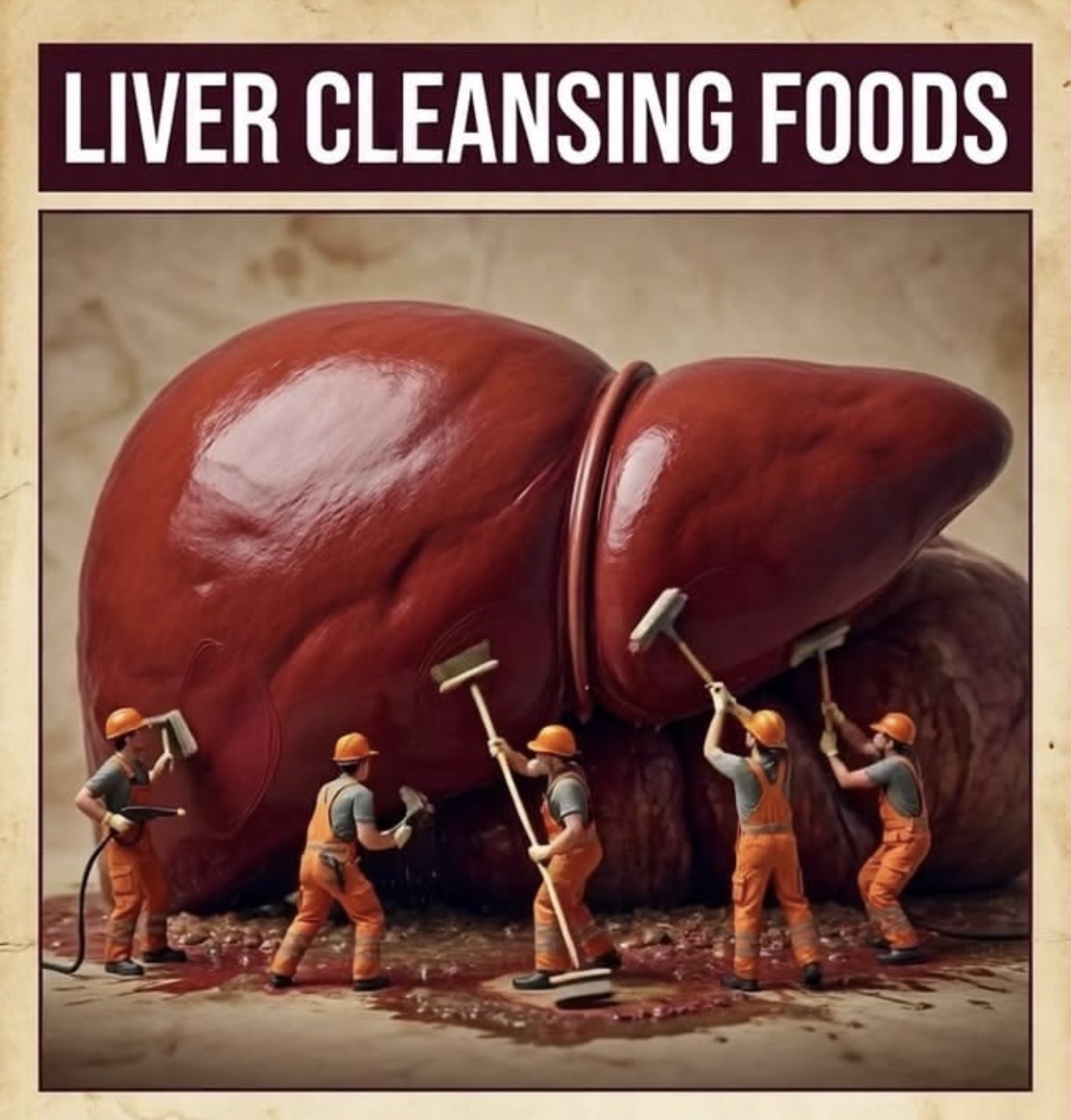
The most important function of the liver is cleaning the blood by getting rid of harmful chemicals present in the body. It also helps in the production of bile, which, in turn, helps in breaking down the fat in the body. It helps in the storing of sugar (glucose), which provides a quick energy boost whenever required by the body.


  1. There is hormonal imbalance in the body.
  2. Improper digestion of food.
  3. You experience anxiety 
  4. depression quite often.
  5. Constant headache.
  6. Joint pains.
  7. You feel lethargic.
  8. Chronic fatigue.
  9. Facial acne.
  10. Abdominal pain.
  11. Diarrhea or constipation.


Now, the next question that arises is how can you take good care of your liver, and if your liver is not functioning well, what can you do to improve its functioning? The answer to these questions is very simple. Firstly, eat food that is beneficial for your health, and secondly, bring about some positive changes in your lifestyle. 


Here are some tips and tricks that can help you maintain a healthy liver:


  1. Drink plenty of water.
  2. Eat healthy fats.
  3. Go for a balanced diet that includes everything from plant proteins and meat to seeds and nuts.
  4. Avoid processed foods.
  5. Try to eat more of organic foods that are low in sodium and other toxic substances.
  6. Refined sugar is not good for our health. Thus, try to minimize its consumption.
  7. Do not cook food in inflammatory vegetable oils such as sunflower oil, corn oil or safflower oil.
  8. Reduce the consumption of fructose.
  9. Spinach, cabbage, parsley, chicken, and eggs are rich in amino acids. Eat more of them.
  10. You should also consume foods that are rich in sulfur, such as broccoli, eggs, sprouts, garlic, etc.
  11. Reduce alcohol consumption.
  12. Quit smoking.


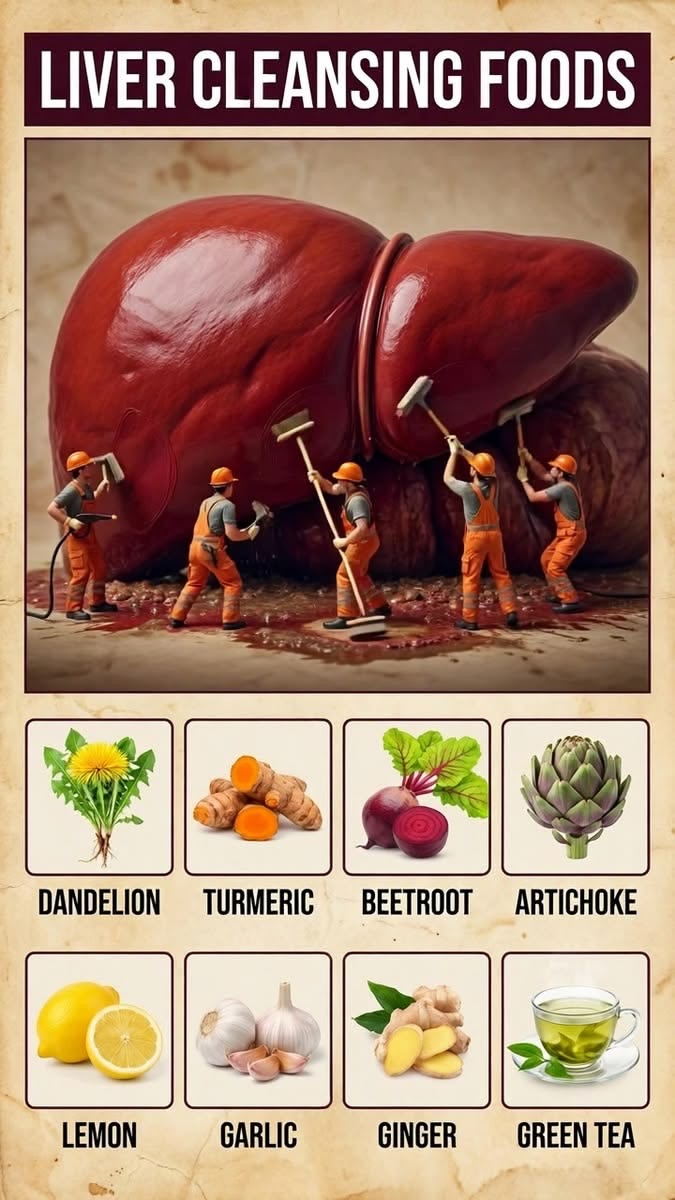
Here are some foods that can help you take good care of your liver:


1. Apples


Apples are rich in pectin and other enzymes that are necessary to cleanse the system and release toxins from the digestive tract. Thus, they help the liver in handling the toxic overload during the cleansing process.


2. Avocados


Avocados are superfoods that are rich in nutrients. They help the body to produce a compound called glutathione that helps the liver in cleansing harmful toxins.


3. Green Tea


Green tea is rich in antioxidants. It contains catechins, which facilitate the proper functioning of the liver.


4. Carrots And Beetroots


Both carrots and beetroots are rich in flavonoids and beta-carotene. And thus, eating them can stimulate and improve the overall functioning of the liver.


5. Garlic


This pungent-smelling white bulb has the ability to activate the enzymes in the liver that flush out toxins from the body. They also contain selenium and allicin, and both these compounds help in cleansing the liver.


6. Green Leafy Vegetables


All green leafy vegetables, including spinach, bitter gourd, and dandelion greens (whether eaten raw or cooked) are rich in plant chlorophylls that suck up the environmental toxins from the bloodstream. They also have the ability to neutralize the effects of chemicals and pesticides in the body and thereby act as a protective mechanism for our liver.


7. Lemons


These citrus fruits are rich in vitamin C, which helps the body to synthesize the toxic materials into substances that are easily absorbed by water. Thus, it is recommended to have a glass of lemon juice in the morning as it is very helpful in stimulating the liver.


8. Walnuts


Walnuts contain a high amount of the amino acid arginine that helps in detoxifying ammonia from the liver. They also contain omega-3 fatty acids that facilitate the normal cleansing process of the liver. When you eat walnuts, make sure you chew them properly and then swallow. 


9. Olive Oil


Olive oil and other cold-compressed organic oils, such as hemp oil, are really good for the liver. They help in providing a lipid base to the liver that can suck up all the toxins and wastes from the body. This takes some burden off the liver. 


10. Turmeric 


You can consider it as the favorite spice of the liver as it helps boost liver detoxification by assisting the enzymes to flush out toxins. 


11. Grapefruit 


Grapefruits are also rich in antioxidants and vitamin C that aid the natural cleansing process of the liver. A small glass of freshly squeezed grapefruit juice is enough to boost the production of the detoxification enzymes in the liver.


Now that you know how to take care of your liver, check for the symptoms mentioned above and start taking precautions from today. It is also suggested to consult a doctor if you feel that medication is required.


We hope you enjoyed reading the article. Share your views in the comments section below.


THAT FEELING WHEN YOU’RE OFFICIALLY LICENSED IN DUBAI AS A CONTENT CREATOR


Yes — in Dubai, you need a license to legally create content.

And honestly? It protects you, your income, and your brand.

If you’re serious about becoming a content creator in the UAE, here’s exactly how I got mine:

✅ STEP 1: Get Your Trade License (Content Creator)

Go in person to DED CafĂ© – Jumeirah 1

Tell them you’re applying for a Content Creator trade license.


Cost: Around AED 1,390

Bring: Your Emirates ID


You’ll receive your digital trade license via WhatsApp or email — including your official license number.

✅ STEP 2: Apply for Police Clearance

Download the Dubai Police app

Log in using UAE Pass


Cost: AED 220


This clearance is required before applying for your advertiser permit.

✅ STEP 3: Apply for Advertiser Permit

Once you receive your police clearance:


Apply through the UAE Media Council website.

You’ll receive SMS updates about your application status.


✅ STEP 4: Request Your Permit Copy

After approval, email:

media@uaemc.gov.ae


Include your media license application number.

Within a few days, they’ll send you your official advertiser permit copy.

 And That’s It.


Once licensed, you can:


✔ Create content legally

✔ Do paid or gifted collaborations

✔ Work with brands confidently

✔ Protect yourself from fines


If you’re building your personal brand in the UAE, do it properly.

Professional mindset = long-term success.


How To Use Your Emirates ID


Convenient things you can use your Emirates ID for

Pay for petrol, withdraw cash and more 

If you live in the UAE then you must have an Emirates ID (it’s a legal requirement), which means knowing what you can do with one when moving to Dubai is useful information.

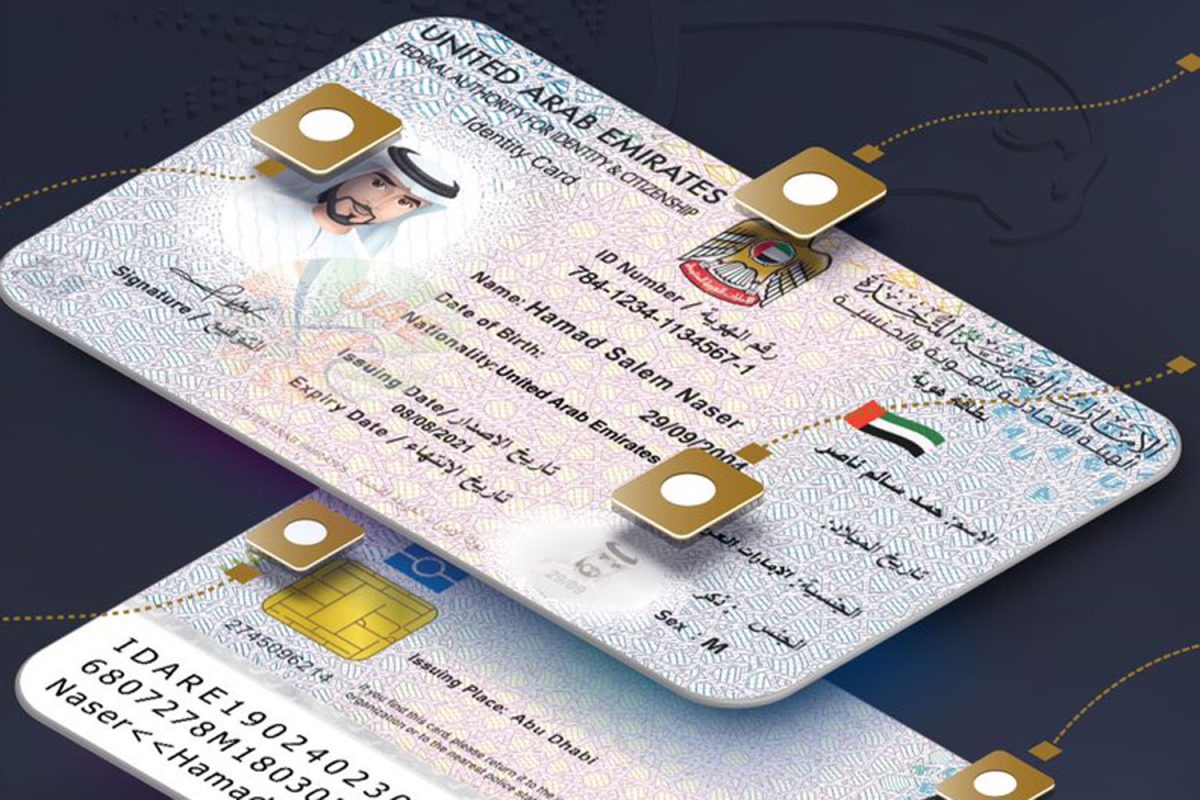
Emirates IDs are issued by the Federal Authority for Identity and Citizenship to all UAE citizens and residents. 

The identity card holds important information in its electronic chip such as the holder’s basic information, photo and biometric data and fingerprints. 

You may have thought that your EID was just a requirement, but did you know that you can use the piece of plastic for a handful of other useful things? Well, you can and here are all the ways how. 

How to use your Emirates ID to withdraw money from an ATM

Several banks in the UAE allow customers to withdraw money by using their Emirates ID. 

You must bank with the bank and different banks have different rules. 

If you are an Emirates NBD customer. You can withdraw cash with your EID if you have the Emirates NBD mobile app on your phone. You’ll use the app to generate a code that you’ll then use at the ATM to withdraw the amount you need.

Mashreq Bank allows customers to open accounts, pay their bills, update their personal information and withdraw and deposit cash by just showing their Emirates ID.

When using a Mashreq ATM, the customer’s existing bank cards will appear on the ATM screen, allowing them to choose from a number of options including cash withdrawal, local and international transfers and chequebook and statement requests.

Emirates IDs can also be used for cash withdrawals and transfers through Al Hilal Bank’s ATMs.

How to use your Emirates ID to pay for fuel at petrol stations 

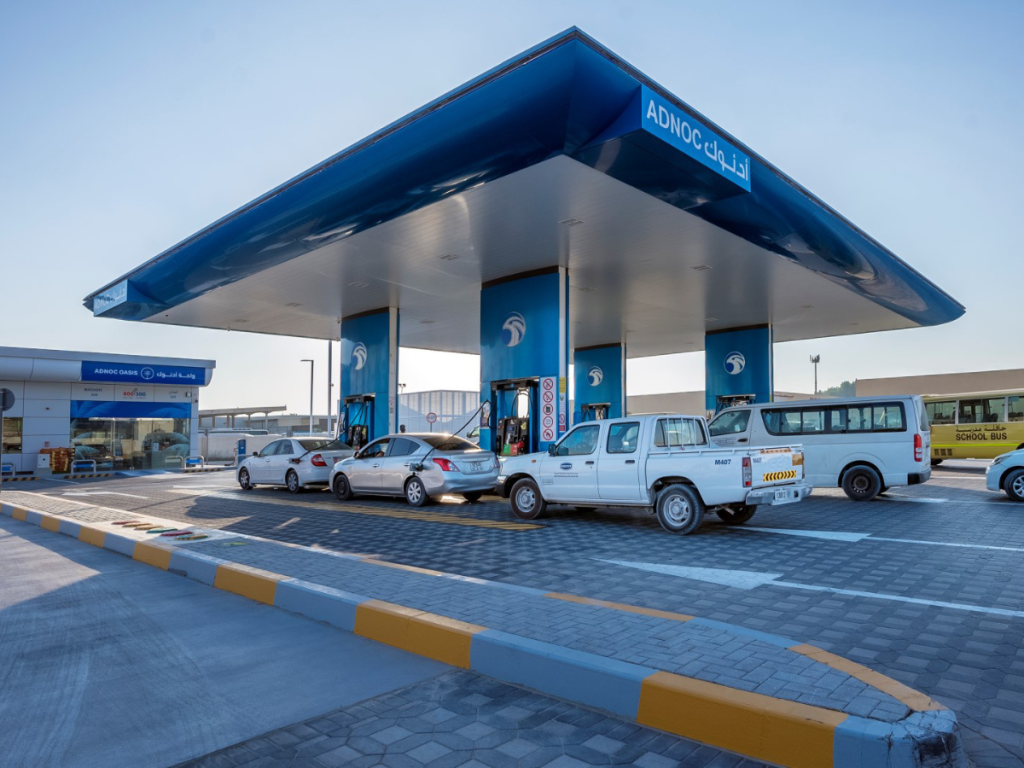
If you want to use your Emirates ID to pay for fuel you need to download an ADNOC Wallet. Once you have the app, your Emirates ID is linked to it and you can add money to your account.

When filling up your petrol tank at ADNOC petrol stations you can insert your EID into the card payment slot and follow the on-screen instructions to pay for your fuel.

You can also use your EID to pay for stuff at ADNOC Oasis convenience stores and car washes if you have an ADNOC Wallet.

How to use your Emirates ID as your health insurance card 

Don’t worry if you forget your health insurance card during your next visit to the doctor’s clinic as you can show your Emirates ID. Medical service providers can use EIDs to process medical insurance. 

How to use your Emirates ID at DXB airport’s e-gates

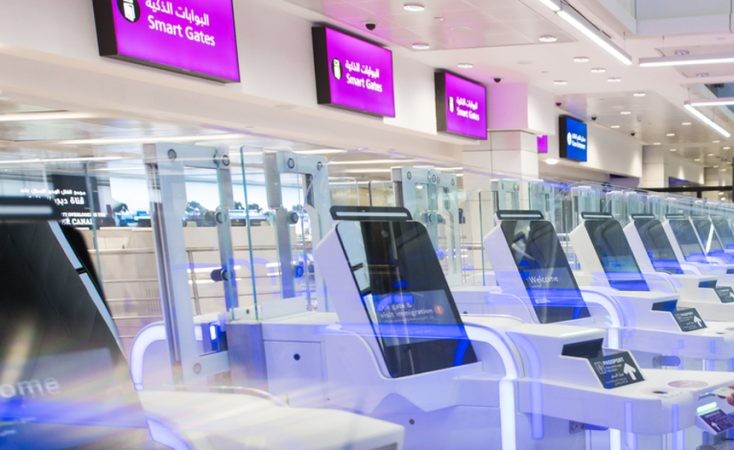
Smart gates are an automated self-service border control system. They use facial recognition technology to identify travellers and can be found at Terminal 3 of DXB airport. 

Smart gates match faces to data connected to immigration databases which will know if the traveller is a UAE National, GCC National, UAE resident or a visa-on-arrival guest.

If you want to use your Emirates ID to head through the smart gate then all you need to do is swipe your Emirates ID card and look into the green light at the gate. You must remove glasses, hats and face masks before passing through.

How to use your Emirates ID to get discounts 

Probably the most fun aspect of holding an Emirates ID is that it can unlock discounts across the UAE. 

Several hotels and attractions offer cut-price deals to residents and all you have to do is flash your EID. 

Want to know how to save by being a UAE resident? Check out Dubai resident deals.


Top 10 Most Popular Mental Health Hospitals In The U.S.

10 Most Popular Mental Health Hospitals In The U.S.

In terms of the most popular mental health hospitals in the U.S., there’s a long list, but some stand out. The one that jumps out is New Jersey’s Morristown Medical Center, the nation’s No. 1 mental health hospital for seven years in a row. Whether you’re looking to get help for yourself or for someone you care about, there are many mental health hospitals in the United States. Mental health is something many people try to avoid thinking about. And yet, a lot of Americans struggle with mental illness every day. It’s important to know where to go for help if you or someone you love is suffering.’

Top 10 Most Popular Mental Health Hospitals In The U.S.

Some of them are large and well-known, while others are small and relatively unknown. This post aims to give you a better idea of which mental health hospitals are the most popular in the U.S. So, read on for the top 10. Mental Health facilities across the United States provide care to patients with various mental disorders and behavioral problems. Although most mental health facilities offer psychiatric services, some also provide medical services, such as psychopharmacology. Some facilities have specialized units to treat different kinds of disorders. Others may provide various types of treatment services to patients, depending on their needs. As per the latest data, 1,250 mental health facilities provide psychiatric and behavioral services across the United States in 2015. These facilities had a total of 13,900 beds.

What are mental health hospitals?

Mental health hospitals are a type of hospital that specializes in treating mental health disorders. There are many types of mental health hospitals, but some are more common than others. Some examples include psychiatric hospitals, psychiatric units in regular hospitals, and psychiatric emergency rooms. Mental health hospitals have many different departments, each focusing on specific treatments. Some of these departments include medication, therapy, and behavioral therapy. These disorders, such as schizophrenia, bipolar disorder, or depression, can be severe. Some of these hospitals also treat patients diagnosed with other medical issues. For example, a psychiatric hospital may treat a patient diagnosed with cancer or heart disease. Inpatient psychiatric units in regular hospitals are not usually called “psychiatric hospitals,” but they provide psychiatric care.

Types of mental health hospitals

Whether you’re looking to get help for yourself or for someone you care about, there are many mental health hospitals in the United States. Some of them are large and well-known, while others are small and relatively unknown. Some of the most common types include:

General hospitals: General hospitals are generally small and provide a wide range of services. They are also the most affordable option for many people.

Psychiatric hospitals: Psychiatric hospitals are similar to general hospitals but specialize in treating mental illnesses. They also tend to be large and well-known.

Rehabilitation hospitals: Rehabilitation hospitals are often used to treat addiction, physical disabilities, and more. They’re also the largest type of mental health hospital in the country.

How do you find a mental health hospital?

There are several ways to find mental health hospitals, and here’s the most effective way. First, start by typing “mental health hospital” into Google. If you’re looking for “psychiatric” or “mental health,” you can also narrow your search results to include only those pages that are relevant to your search term. Second, you can check your search results only to show you the mental health hospitals near you. This can be helpful because many mental health hospitals are located in big cities or states. Third, you can narrow your search results by location. For example, if you’re looking for a mental health hospital in California, you can check your search results only to show you those in California. Last, you can narrow your search results by state. This will help you locate the nearest mental health hospital near you.

What to expect at a mental health hospital?

There are different levels of mental health care at various hospitals. While some offer outpatient treatment, others are designed for inpatient treatment. While some mental health hospitals are open 24/7, most operate between 8:30 a.m. and 6 p.m. You should know that many mental health hospitals are open-door institutions. This means that you are free to come and go as you please. In addition, some mental health hospitals are short-term facilities. They provide medical care for patients recovering from a specific condition or illness. You should also know that most mental health hospitals are not affiliated with a particular religion.

What happens if you are admitted to a mental health hospital?

When you’re admitted to a mental health hospital, you’ll likely undergo a battery of tests. These include bloodwork and other lab tests. You’ll likely undergo a battery of tests when may also ask you about your family history ing to your illness. Once you’re diagnosed, your doctors will make a treatment plan based on your condition. Your doctors may recommend medications, therapies, or alternative treatments. While some medications can help treat bipolar disorder, it can be difficult to find the right one for you. This is because each person with bipolar disorder responds differently to medications, and the right drug can be life-changing. If you’re considering taking medication, it’s important to talk with your doctor about what might work best for you. Mental health professionals use various methods to assess mental health and well-being. These include assessments of symptoms and functioning and subjective reports of mood, behavior, and life events.

Frequently asked questions about mental health hospitals

Q: Do you think all mental hospitals are equal?

A: They are not. The one in the Philippines is like a spa! Other ones are not as nice, but I wouldn’t say that all mental hospitals are the same.

Q: How can we help those in mental hospitals?

A: Many people in mental hospitals don’t know how to help themselves. They are locked up with no way to communicate or express themselves. Many would like to help themselves, but they have no idea how to do it.

Myths about mental health hospitals

1. Patients with mental illness have no rights.

2. Mental hospitals are the best place to heal mentally ill patients.

3. Mental hospitals are only for people who have committed a crime.
Conclusion

When someone is going through a difficult time, they can sometimes feel like they don’t know where to turn. It can be tough to ask for help or admit that you need help. That’s why there are so many different kinds of mental health hospitals out there. They’re designed to help people who are struggling. So, if you’re dealing with a major mental health problem, finding a hospital that can help is a great place to start.

Intermittent Fasting Benefits


Intermittent Fasting Benefits on Cancer, Alzheimer’s, and Aging


Intermittent Fasting Benefits

Alternate Day Fasting (ADF) is a style of Intermittent Fasting (IF) where you fast every other day.

This usually ends up in a 36-hour fast depending on what time you eat the meals surrounding the fast.

Alternate Day Fasting benefits include weight loss, decreased insulin resistance, improved brain function, autophagy, cardiovascular health, and reduced inflammation.

Some benefits such as weight loss, reduced inflammation, cardiovascular, and metabolic health can be obtained – at a smaller degree – from calorie restriction alone.

Some others, such as insulin resistance, brain function, and autophagy can be obtained from alternate day fasting or other styles of intermittent fasting without being in a calorie deficit.


1. Weight Loss


Weight loss during alternate day fasting will most likely come from an overall calorie deficit.

It’s easier to create a calorie deficit while doing alternate day fasting without having to track calories. This could be ideal for people with a busy lifestyle who don’t want to go through the trouble of meal prepping or counting calories.

2. Decreased Insulin Resistance


One of Insulin’s job is to control your blood glucose levels by moving glucose out of the bloodstream and into storage.

When glucose levels increase after a meal, your pancreas senses it and releases insulin to reduce blood glucose.

Insulin resistance is when your body doesn’t respond well to insulin and your blood glucose remains high even when releasing normal or high amounts of insulin.
Insulin Sensitivity

Being insulin sensitive means that your body requires smaller amounts of insulin to move glucose out of the bloodstream, therefore, lower insulin resistance will result in high insulin sensitivity.
Studies in Mice

Studies have shown an increase in insulin sensitivity in mice that fasted for 24 hours twice a week regardless of being in a caloric deficit or not.

This study showed that mice in ADF, despite not losing weight, had a decrease in blood glucose and insulin concentration similar to the group who was on a daily calorie restriction.

Another one showed that a 24-hour fast twice a week without an overall calorie deficit is enough to improve insulin sensitivity.

In diabetic rats, ADF has shown to prevent kidney complications, reduce blood pressure, and normalize HDL cholesterol levels.

Studies in Humans


This study  had 8 healthy men on a 20-hour Modified Alternate Day Fast eating at maintenance calories.

Results showed an increase in insulin sensitivity and adiponectin levels – a hormone that seems to prevent the formation of fatty plaques in the arteries and increase insulin sensitivity.

This other study on True Alternate Day Fasting, however, showed an increase in insulin sensitivity in men, but not in women. This means that there might be a difference in the effects of ADF on glucose metabolism in men and women.

Lose your first 5-10 pounds in just 1 week.

3. Brain Function


An ADF study in mice showed an increase in the creation of neurons.

The increase of new neurons from neural stem cells suggests that ADF could slow down the neural aging process.

Other studies showed an increase in synaptic plasticity – changes in synaptic strength are thought to contribute to learning and memory.

Calorie restriction studies in humans have also shown an increase in memory, synaptic plasticity, and electrical activity in the brain after a 30% calorie reduction.

Some animal studies in ADF have shown a decrease in brain damage after epileptic seizures.

Other studies have shown beneficial effects in animals with Alzheimer, Huntington, and Parkinson’s disease.

These effects on the brain can be seen without creating a calorie deficit. In fact, this study showed a higher resistance to nerve cells damage on mice doing ADF than those on calorie restriction.

These benefits, however, don’t seem to work for all neurologic disorders. This study showed no effect on Amyotrophic Lateral Sclerosis (ALS).

4. Autophagy


Autophagy is the process of breaking down and recycling malfunctioning cellular components during periods of nutrient deprivation.

Old proteins are broken down into amino acids and recycled to make new proteins. In the case of excess protein, your body will either excrete the excess amino acids or use it for energy.
Benefits of Autophagy

Some studies suggest that autophagy may help prevent Alzheimer’s disease, suppress tumor growth during its early stages, and slow aging.

5. Alzheimer’s Disease


One cause of Alzheimer’s seems to be the accumulation of beta proteins inside the brain cell.

It’s believed that the build-up of these proteins eventually damages the synaptic connection in the memory and cognition areas.

These proteins are typically removed by autophagy and sent to be recycled into new proteins or turned into energy. 

6. Cancer


Studies suggest that autophagy might have different effects on tumor development depending on the cancer stage.

During the initial stages of cancer, autophagy is considered a tumor suppressor.

It prevents the accumulation of damaged proteins and organelles and destroys cells that promote the growth of some types of tumors It also limits inflammation and necrosis, which helps prevent the spreading of the tumor from the primary site.

On the other hand, the protective properties of autophagy are thought to help maintain dormant tumor cells and promote their survival under stressful conditions.

Therefore, more studies are needed to find how autophagy affects cancer stem cells and tumor progression.

7. Aging


Accumulation of older cellular components may be responsible for many of the effects of aging.

Since autophagy targets old cells for recycling and increases the levels of human growth hormone – which promotes the production of new cells – fasting is considered excellent for anti-aging.

What Activates Autophagy?


Autophagy is activated at different degrees in different tissues throughout a typical day. There’s always autophagy occurring in our bodies to some degree.

Cellular stress such as nutrient deprivation (fasting), protein aggregation or infections can activate autophagy.

When the body is not focusing on digestion it can focus on cellular repair.

One of the primary regulators of autophagy is mTOR, a nutrient sensor that’s sensitive to protein, especially leucine and arginine.

As little as 3 g of leucine can be enough to turn off autophagy. It’s possible, however, to eat pure fat and still get autophagy.

8. Cardiovascular Health


Researchers believe that some cardiovascular benefits from ADF come from the increased levels of adiponectin.

Adiponectin has been shown to protect cardiac muscle cells against injuries caused by the low supply of blood. 

Studies of ADF in rats have shown a decrease in body weight, blood pressure, and heart rate compared to rats allowed to eat as much as they wanted. 

Other studies where rats were induced myocardial infarction – heart attack. Rats on ADF showed a smaller infarction size and higher survival rate than rats eating as much as they wanted.

These positive effects on infarction size and survival rate can be seen even if ADF is implemented after the heart attack.

This is due to the production of angiogenic factors – angiogenesis is the formation and development of new blood vessels from pre-existing ones – and increased vascularization of the damaged muscular tissue of the heart.

8. Reduced Inflammation


High levels of leptin are often reflective of a pro-inflammatory state while adiponectin and ghrelin can suppress inflammation.

In ADF as well as in calorie restriction, levels of leptin typically decrease while levels of ghrelin increase.

Changes in these hormones could be responsible for the reduction in inflammation markers.
Potential Adverse Effects from ADF

A Modified Alternate Day Fasting study where subjects were allowed to eat 25% of their calories on “fasting” days was done to find potential adverse effects on gastrointestinal health, sleep, energy levels, and eating behaviors.Length of study: 8 weeks.
Sample size: 59 obese subjects.
Adverse Effects Results Constipation: No
Diarrhea: No
Water Retention: 2% of the subjects experience water retention.
Bad Breath: Increased by 15%.
Trouble Falling Asleep: No
Trouble Staying Asleep: Experienced by less than 10% of subjects.
Weakness: Minor
Depression and Binge Eating: Decreased

Binge eating and depression decreased while fear of getting fat stayed the same and body image perception improved.

Results showed a minor increase in weakness, occasional problems staying asleep, and mild gastrointestinal issues. These effects, however, seem to be similar to those that occur during daily calorie restriction 

Bad breath was the adverse effect that most subjects had in common.

Downsides of The Study 
Small Sample Size.
Short Term.
No lean subjects.
Not True Alternate Day Fasting.
Didn’t directly compare the effects of MADF and CR.

Therefore, more research is needed to validate the effects found in this study.
Hunger

Another study showed an increase in hunger and a decrease in fullness after starting alternate day fasting. During the length of the fast, hunger levels remained the same while the levels of fullness increased.

However, the length of the study was only 22 days, therefore, studies for more extended periods are needed for a better understanding of hunger and fullness levels.

Copyright

NoelGRSr 2016